No products in the cart.
QUALITY THC PORTAL - BUY QUALITY THC PRODUCTS ONLINE - FAST DELIVERY
Welcome to Quality THC Portal. We are premium suppliers of Quality THC Products. We supply in bulk and small quantities the following products; Package weed , Pre-rolls , Vape cartridges and Marijuana concentrates. We deliver to most countries around the world and delivery is fast and secured. Our website is well encrypted to product all your information we receive to process your orders and also we have a well setup and stable customer service team who are always available to assist you incase of any difficulty while trying to make purchase on our website. We are certain you shall enjoy our services.
Best Selling Products
Sale!


CARTRIDGES
Sale!


CARTRIDGES
Sale!

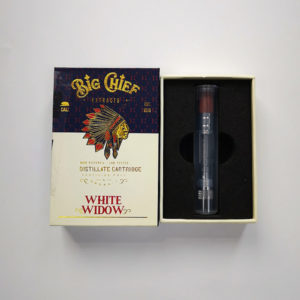
CARTRIDGES
Sale!

CARTRIDGES

HASH
$
70.00
–
$
305.00

CARTRIDGES
$
25.00

CARTRIDGES
$
25.00
Sale!

CARTRIDGES
Browse our categories


our services
free express delivery
When your order is more than $299, you receive FREE express delivery and can look forward to the worlds best medical marijuana and associate products delivered directly to your door
Exquisite Collection
We’re extremely picky about product quality & our collection is constantly being refined & is comprised of the finest buds known to humankind
Top-notch Support
We pride ourselves in providing exceptional support and we’re among the few offering dedicated 24/7 chat support to our valued customers.
The Best Way to Rehydrate Overdried Cannabis Flower Without Ruining It
Overdried cannabis flower can feel harsh, crumble into dust and lose much of its aroma before you have a chance to enjoy it. When too much moisture escapes, the trichomes become more fragile, the smoke becomes irritating and the terpene profile may seem flat. Rehydrating it carefully can improve texture and flavour, but adding moisture too quickly can create an even bigger problem: mould. Learn more about Espanet Plus.com.
The safest approach is gradual humidity control inside a clean, airtight glass jar. A properly sized two-way humidity pack is generally more predictable than household remedies because it releases or absorbs moisture over time. The goal is to restore flexibility to the flower, not make it wet or soft.
Australian conditions make storage especially important. A dry Melbourne winter, a hot Adelaide afternoon or a humid summer in Brisbane can affect cannabis differently. Air conditioning, heaters and frequent opening of a jar also accelerate moisture loss, even when the flower looked well-cured when purchased.
Any handling or possession should comply with Australian law. Recreational cannabis remains illegal in most states and territories, while medicinal cannabis is regulated through the Therapeutic Goods Administration and approved prescribing pathways. The ACT has limited personal-use provisions, but those rules do not apply across Australia, and home cultivation or possession can still involve restrictions.
Why Cannabis Flower Becomes Overdry
Freshly cured flower contains a controlled amount of internal moisture. During curing, water gradually moves from the centre of the buds toward the surface, allowing excess moisture to escape while preserving aroma and a springy texture. If the flower stays exposed to dry air for too long, that balance is lost.
A loose bag, a poorly sealed container or repeated exposure to warm air can quickly reduce humidity. Retail packaging may also allow gradual moisture migration, particularly when it is opened often. Flower stored near a sunny window, in a car or beside a heater can deteriorate faster than flower kept in a cool, dark cupboard.
Overdrying affects more than texture. Fragile trichomes can break away during handling, while volatile terpenes evaporate more readily. The result may be a dusty, sharp-smelling product with reduced flavour. Research and practical storage guidance on humidity and concentrates also shows why moisture control matters across cannabis products, although flower and concentrates should not be stored in exactly the same way.
How To Tell Whether Flower Needs Moisture
Very dry flower often breaks apart with minimal pressure. Instead of bending slightly or separating into small pieces, it may crumble when handled. A dry stem that snaps immediately is another clue, although stems alone are not a perfect measure because some cultivars naturally have different structures.
The aroma can also provide useful information. Overdry flower may smell muted, hay-like or dusty rather than carrying distinct herbal, citrus, earthy or fruity notes. When ground, it may produce powder rather than a slightly cohesive mixture. These signs suggest moisture has been lost, but they do not tell you exactly how much should be restored.
Avoid treating visible dryness by spraying water directly onto the buds. Liquid water creates uneven wet spots and can encourage mould inside dense flowers. If the flower has a musty smell, fuzzy growth, dark patches or unusual webbing, do not try to save it through rehydration. Discarding questionable material is safer than inhaling contaminated product.
A Gentle Method For Restoring Moisture
Begin with a clean, dry, airtight glass jar. Remove stems, debris and any visibly damaged pieces, then place the flower inside without compressing it. A jar that is too large leaves excessive air space, while a jar that is too small can crush the buds and reduce airflow around them.
Add a two-way humidity-control pack designed for cannabis or other botanical products. Choose a pack made for the amount of flower in the jar and follow the manufacturer’s guidance. A moderate target, commonly around 58–62% relative humidity, is usually more suitable for flower than trying to make it feel damp. Seal the jar and keep it away from heat and direct light.
Check the jar after 12 to 24 hours, then inspect it once or twice daily. Gently rotate the contents rather than shaking them. If the flower feels less brittle and the aroma begins to return, allow the process to continue until the texture is even. Very dry flower may need several days, while mildly dry flower can improve within a day.
| Method | Speed | Control | Main Risk | Best Use |
|---|---|---|---|---|
| Two-way humidity pack | Slow to moderate | High | Low when correctly sized | Most overdried flower |
| Humidity stone | Moderate | Medium | Uneven moisture if overused | Short, carefully monitored recovery |
| Orange peel or fruit peel | Fast | Low | Mould, flavour transfer and over-wetting | Best avoided |
| Damp paper towel | Fast | Low | Direct water contact and contamination | Not recommended |
| Refrigeration or freezing | Does not rehydrate | None | Trichome damage and condensation | Not a rehydration method |
If a humidity pack is unavailable, a clean humidity stone can be used with caution, provided it is designed for botanical storage and used according to its instructions. Do not place a wet object directly against valuable flower or leave it unattended. A slower method is much less likely to ruin the batch than a quick burst of moisture.
Mistakes That Can Ruin Dry Flower
Fruit peel is a popular household trick, but it is difficult to control. Orange, lemon and apple peel add water unevenly and introduce organic material that can support microbial growth. They can also transfer flavours and aromas that overpower the flower’s original terpene profile.
Bread, lettuce, cotton wool soaked in water and wet paper towel create similar problems. They may make the outside of a bud feel softer while the centre remains dry. Condensation on the inside of the jar is a warning sign that too much moisture has been introduced or that the storage temperature is fluctuating.
Do not grind the entire batch before rehydrating it. Ground flower has much more exposed surface area, so aroma compounds escape faster and the material can absorb moisture unevenly. Keep the buds whole during recovery, handle them gently and only prepare the amount needed for immediate use.
Smoking or vaporising flower before it has stabilised can also give a misleading result. The outer layer may seem ready while the interior is still changing. Patience is useful here: open the jar briefly, inspect the texture and smell, then reseal it rather than repeatedly exposing the contents to room air.
Storing Cannabis In Australian Conditions
Once the texture improves, keep the flower in an airtight glass jar in a dark cupboard. A stable room temperature is preferable to a bathroom, shed, glovebox or kitchen bench. In Sydney and Brisbane, summer humidity can make an opened jar gain moisture quickly, while dry indoor heating in Canberra or Melbourne can pull moisture out just as quickly.
Avoid storing cannabis in a refrigerator unless the product’s packaging and instructions specifically support it. Cold storage can cause condensation when the jar is opened, and repeated temperature changes are harder to manage than a stable cupboard. Freezing can make trichomes brittle and may damage the flower during handling.
Everyday habits matter. Leaving a jar open while rolling, carrying it in a warm backpack or opening it repeatedly to check the aroma can undo careful rehydration. Take out what you need, close the container immediately and keep the main supply protected from sunlight and air.
Humidity-control packs are useful for maintenance, but they cannot restore terpenes that have already evaporated or repair mould damage. They are a prevention and stabilisation tool, not a way to reverse every effect of poor storage. Keep medicinal products in their original labelled packaging where required, and follow pharmacist or prescriber directions.
Practical Recommendations For A Better Result
A simple routine reduces the chance of overcorrecting dry flower. These steps work best when the material is merely brittle rather than contaminated or visibly spoiled:
- Use a clean, airtight glass jar with minimal unused air space.
- Add a correctly sized two-way humidity pack rather than spraying water onto the flower.
- Inspect after 12 to 24 hours and continue gradually over several days if needed.
- Keep buds whole during recovery and handle them as little as possible.
- Remove anything with mould, a musty smell, fuzzy growth or unexplained dark spots.
- Store the stabilised flower in a cool, dark cupboard away from heaters, windows and cars.
For people living in Australia, a small digital hygrometer can make the process easier to monitor. It provides a reading of the air inside the jar, although it may take time to reflect the moisture within dense buds. The reading should support your sensory checks rather than replace them.
It is also wise to separate different batches and strains during recovery. Flower with different moisture levels can stabilise at different rates, and a particularly dry batch may draw moisture away from another. Label the jar with the date it was sealed and the humidity target, especially if several products are stored at home.
Protecting Aroma After Rehydration
Rehydration can restore some pliability and improve the smoking or vaporising experience, but it cannot fully recreate a fresh cure. The best results come from stopping once the buds are flexible and aromatic rather than trying to make them soft. Excess moisture can dull the burn, promote mould and reduce shelf life.
Keep concentrates, hash and live resin in storage conditions suited to their specific formats rather than placing them in the same jar as flower. Their texture, temperature sensitivity and packaging requirements differ. If you are comparing storage approaches or researching products, use reliable information and check whether the seller’s claims fit Australian regulations.
For online purchases, encrypted checkout and customer support may help with order administration, but they do not replace checking product legality, packaging, age requirements or import restrictions. An overseas delivery claim is not a guarantee that a cannabis product can legally enter Australia. Medicinal consumers should rely on authorised channels and professional advice.
Careful humidity management is a small habit that protects aroma, texture and product quality. Start slowly, monitor the jar, avoid improvised wet materials and stop as soon as the flower reaches a stable, springy feel. With the right storage routine, overdried cannabis can often be improved without sacrificing what remains of its character.