No products in the cart.
QUALITY THC PORTAL - BUY QUALITY THC PRODUCTS ONLINE - FAST DELIVERY
Welcome to Quality THC Portal. We are premium suppliers of Quality THC Products. We supply in bulk and small quantities the following products; Package weed , Pre-rolls , Vape cartridges and Marijuana concentrates. We deliver to most countries around the world and delivery is fast and secured. Our website is well encrypted to product all your information we receive to process your orders and also we have a well setup and stable customer service team who are always available to assist you incase of any difficulty while trying to make purchase on our website. We are certain you shall enjoy our services.
Best Selling Products
Sale!


CARTRIDGES
Sale!


CARTRIDGES
Sale!

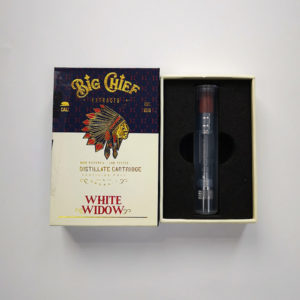
CARTRIDGES
Sale!

CARTRIDGES

HASH
$
70.00
–
$
305.00

CARTRIDGES
$
25.00

CARTRIDGES
$
25.00
Sale!

CARTRIDGES
Browse our categories


our services
free express delivery
When your order is more than $299, you receive FREE express delivery and can look forward to the worlds best medical marijuana and associate products delivered directly to your door
Exquisite Collection
We’re extremely picky about product quality & our collection is constantly being refined & is comprised of the finest buds known to humankind
Top-notch Support
We pride ourselves in providing exceptional support and we’re among the few offering dedicated 24/7 chat support to our valued customers.
Removing resin from your grinder without guesswork
Cannabis resin is the sticky, aromatic material left by trichomes on flower and by many concentrates. It collects in the teeth, threads, lid and screen of a grinder, where it can harden into a gummy film or mix with fine kief. The mess may look minor at first, but every layer makes the next clean harder and can transfer stale flavours into fresh material.
A clean grinder gives material a lighter, more even grind and keeps its screen open. It also reduces sticky odours and makes dosing easier to control. A brush and alcohol wipe handle light film; removable metal parts may need a solvent soak, while wood, plastic and rubber require gentler methods because alcohol can damage or swell them.
The best methods for removing resin from your grinder to keep it clean match the method to the material. Products such as hash, live resin and cartridges can leave oily or sugar-like residues, so clear loose plant matter before adding any liquid and avoid scratching metal, clouding plastic or trapping solvent inside.
Why resin builds up in grinders
Resin forms because pressure and warmth release oils from plant matter. Those oils bind to tiny particles and lodge around burrs, teeth and screen edges. A hand grinder adds friction, while an electric grinder can push fine kief into seams where a brush cannot reach. Concentrate residue often forms a slick film over the same parts.
Clues that a grinder needs cleaning include material sticking to the walls, an uneven grind, a screen clogged with pale particles and an odour that remains after the chamber is emptied. Resin can also trap dust and moisture, allowing residue to spread from the teeth into the lid, catch and base.
Prevention is simpler than removal. Empty the grinder soon after use, keep it on a stable washable surface and brush the chamber while the material is still dry. Avoid packing the teeth more than necessary, and use separate tools for flower and concentrates when sticky products are involved.
Quick care between uses
For a fast reset, disassemble the grinder over a tray and sweep away loose flower, kief and crumbs. A dedicated soft toothbrush can reach around teeth, screws and screen edges. A stiff brush may loosen stubborn material, but check that it will not scratch anodised aluminium, plated parts or plastic components.
For a light film, lightly dampen a folded paper towel or cotton pad with 70% isopropyl alcohol. Wipe the chamber, lid and teeth, then use a barely damp cotton swab around narrow grooves and the central shaft. Keep liquid away from bearings, electrical contacts and rubber seals, and allow the alcohol to evaporate before reassembly. General surface-care routines also favour this order: lift away loose debris before using the mildest cleaner the surface can tolerate.
Routine cleaning should not become an excuse to flood the grinder. Excess alcohol can reach lubricant, degrade adhesives or leave moisture where kief can form again. Work in small areas, change pads frequently and stop once the residue has disappeared. Never mix isopropyl alcohol with bleach, ammonia or another household cleaner.
Deep cleaning for metal grinders
For heavy buildup, separate every removable part and place it on a lined tray. Removable stainless-steel, brass or uncoated metal components can soak in 70–90% isopropyl alcohol for 15–30 minutes. Keep the container open in a well-ventilated area and away from flames, hot engines and sparks. Do not immerse electric motors, wood, bamboo, plastic, painted handles or rubber seals.
For stubborn film on suitable metal, place the parts in a sealable jar with coarse salt and enough alcohol to form a damp mixture. Close the jar carefully and shake it, then leave the parts to work for several minutes. The salt acts as a mild abrasive while the alcohol loosens the resin. Test a discreet area first, because the method can scratch coated or anodised surfaces.
Rinse the cleaned metal with warm water after the alcohol has been removed, then brush away any remaining residue with a soft toothbrush. Dry everything completely with a clean towel and air circulation before reassembly. Never speed up drying with an open flame or high-powered hairdryer. If lubricant is recommended by the manufacturer, add it only after the parts are completely dry.
Concentrates, screens and delicate parts
Oily concentrates need a two-stage approach. Wipe away the bulk with an alcohol-damped pad, then work into grooves and corners with a cotton swab. Cleaning repeatedly with a fresh pad is more effective than scrubbing one oily layer across the entire chamber. For live resin or other sugar-like residue, give the alcohol time to penetrate before wiping again.
Remove the screen if the design allows it. Metal screens can soak briefly in alcohol, after which a soft toothbrush can clear material caught in the mesh. Work gently so the screen is not stretched or torn, and allow it to dry before fitting it back. A damaged screen that no longer strains particles correctly should be replaced rather than cleaned repeatedly.
Wood, bamboo, plastic and composite grinders should not be soaked. Use a soft brush, a cloth barely dampened with warm water and mild dish soap, then dry the parts promptly. For a removable all-metal grinder that remains stubbornly sticky, chilling it in a sealed bag for 15–20 minutes can make the resin brittle enough to tap out. Let the grinder return to room temperature before opening the bag, as trapped condensation can cause corrosion.
Cleaning within Australian rules
Australia’s legal cannabis market is medicinal rather than recreational. Medicinal products generally move through state and territory programs, authorised prescribers, pharmacies and licensed dispensaries. Recreational possession and use remain unlawful nationally, while home cultivation and extraction are generally prohibited outside authorised settings. An international delivery claim does not override those rules, so buyers should check state and territory legislation before ordering.
Quality THC Portal offers small quantities and bulk formats, encrypted order processing and 24/7 chat for order-related questions. Those services do not replace local legal checks, particularly when a product is being sent across borders. Australian customers should confirm the product’s lawful status, the seller’s credentials, delivery eligibility and the rules applying where the parcel will be received.
Local conditions also make regular care worthwhile. Humid weather in Brisbane can keep resin pliable, coastal air around Perth and Adelaide can leave a fine salt film on metal, and bushfire smoke or construction dust may settle on grinder parts. Apartment kitchens and shared worktops across Sydney, Melbourne and other cities make washable tools and quick cleanups especially practical. Concentrates require additional care around ignition sources, especially during Australia’s dry seasons. Quality THC Portal’s safe extraction guidance explains why ventilation, ignition control and clean handling matter whenever resin is being processed. Keep cleaning alcohol away from flames, do not pour solvent into stormwater drains and let all parts air out fully.
A practical two-stage cleaning checklist
Use the quick reset when residue is light and the full clean when resin has hardened. Keep both routines simple enough to repeat before buildup becomes permanent.
- Take the grinder apart over a tray and brush away loose flower and kief.
- Use a dedicated soft toothbrush around teeth, burrs, lid and screen edges.
- Wipe reachable surfaces with a pad lightly dampened with 70% isopropyl alcohol.
- Use a damp cotton swab in narrow grooves without flooding bearings or seals.
- Let every part dry fully before reassembling or reusing the grinder.
When resin remains gummy or builds up faster than expected, move to the deeper method rather than scrubbing harder.
- Separate removable metal parts and check the manufacturer’s care instructions.
- Soak suitable metal components in alcohol for 15–30 minutes in a ventilated area.
- Shake coarse salt and alcohol in a closed jar for stubborn residue on suitable metal.
- Clean screens with a soft toothbrush and rinse metal parts with warm water.
- Dry everything completely, inspect for lingering film and repeat only if needed.
Make the cleanout happen now: disassemble the grinder, clear the screen, wipe the chamber and finish with a dry reassembly. Keeping a dedicated brush and alcohol wipes nearby turns resin removal from a major chore into a quick, reliable part of your routine.