No products in the cart.
QUALITY THC PORTAL - BUY QUALITY THC PRODUCTS ONLINE - FAST DELIVERY
Welcome to Quality THC Portal. We are premium suppliers of Quality THC Products. We supply in bulk and small quantities the following products; Package weed , Pre-rolls , Vape cartridges and Marijuana concentrates. We deliver to most countries around the world and delivery is fast and secured. Our website is well encrypted to product all your information we receive to process your orders and also we have a well setup and stable customer service team who are always available to assist you incase of any difficulty while trying to make purchase on our website. We are certain you shall enjoy our services.
Best Selling Products
Sale!


CARTRIDGES
Sale!


CARTRIDGES
Sale!

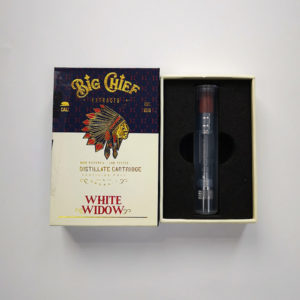
CARTRIDGES
Sale!

CARTRIDGES

HASH
$
70.00
–
$
305.00

CARTRIDGES
$
25.00

CARTRIDGES
$
25.00
Sale!

CARTRIDGES
Browse our categories


our services
free express delivery
When your order is more than $299, you receive FREE express delivery and can look forward to the worlds best medical marijuana and associate products delivered directly to your door
Exquisite Collection
We’re extremely picky about product quality & our collection is constantly being refined & is comprised of the finest buds known to humankind
Top-notch Support
We pride ourselves in providing exceptional support and we’re among the few offering dedicated 24/7 chat support to our valued customers.
How To Check A Bulk Cannabis Order Before Accepting It
A bulk cannabis delivery can look correct from the outside while the contents differ in weight, moisture, potency, or product type. A careful receiving process checks the paperwork, packaging, scale reading, and physical description separately, then keeps a record of anything that does not match. This matters even more when an order contains flower, pre-rolls, hash, live resin, or several products packed together.
Australian buyers also need to consider legality before checking a shipment. Recreational cannabis remains unlawful under Commonwealth and most state and territory laws, while medicinal cannabis is available through authorised medical pathways. The ACT has limited personal-use exemptions, but these do not create a general right to buy, sell, import, or distribute cannabis. A weight check should therefore support lawful, licensed activity rather than help bypass local rules.
Confirm The Supplier And Legal Route
Start by comparing the order confirmation with the supplier’s legal business details, product catalogue, invoice, and delivery terms. A professional listing should identify the product form, stated net weight, batch or lot information where relevant, and any advertised cannabinoid or laboratory data. Vague wording such as “premium extract” without a defined product type makes later verification difficult.
A website such as Quality THC Portal may present information about cartridges, flower, concentrates, and bulk quantities, but online descriptions are not a substitute for Australian authorisation. Check whether the proposed transaction is permitted in the relevant state or territory, whether the recipient is licensed where required, and whether interstate or international movement is lawful. A delivery promise does not override customs rules, border controls, prescription requirements, or state legislation.
The legal position can vary significantly between Melbourne, Sydney, Brisbane, Perth, and Canberra. Medicinal cannabis businesses must follow applicable licensing, storage, transport, and recordkeeping obligations. A private purchaser should not assume that a parcel entering the country, or being offered online, proves that the purchase is legal.
Read The Product Description As A Specification
Before opening the parcel, create a simple specification from the order. Record the exact product name, form, unit size, number of units, total advertised weight, and any tolerances stated by the seller. “One kilogram of flower” is a different claim from “one kilogram including packaging,” and “ten cartridges” does not establish how much oil each cartridge contains.
Pay attention to terms that affect the comparison. Flower may be described by dry weight, while a pre-roll can include paper and a filter. Hash and live resin may be sold by net concentrate weight, whereas a cartridge may refer to the oil volume or the total filled device. Density, moisture content, and temperature can change a scale reading without changing the underlying quantity.
Save screenshots of the listing and order page before the product is handled. If a product is described with a cannabinoid percentage, terpene profile, extraction method, or batch number, treat each as a separate claim to verify. A product can meet its stated weight while still being the wrong cultivar, concentration, or extract category.
Prepare A Reliable Weighing Setup
Use a digital scale that is suitable for the order size and provides enough resolution for the smallest unit being checked. A household kitchen scale may be adequate for a large sealed carton but not for a few grams of concentrate. For commercial receiving, use a calibrated trade-approved instrument where Australian measurement rules require it, and keep calibration or verification records.
Place the scale on a firm, level surface away from fans, vibrating appliances, and direct sunlight. Let it reach room temperature, switch it on, and check that it returns to zero. Test it with a known reference mass if available. A clean tray or weighing boat prevents material from touching the platform. If you are assembling a field kit, a corrosion-resistant stainless container can be useful; this camp mug guide explains why material and finish matter when choosing a durable metal vessel.
Avoid weighing product immediately after it has arrived from a cold courier van or a hot delivery vehicle. Condensation can add temporary mass to packaging, while warm flower or resin can become sticky and difficult to transfer without losses. Allow sealed goods to stabilise in a clean, secure area, following any storage directions and applicable workplace procedures.
Weigh The Package Without Losing Material
The central comparison is between the advertised net weight and the measured net weight. Net weight means the product alone, not the jar, pouch, label, cartridge body, filter, paper, or outer box. Weighing the unopened parcel only confirms gross mass and can conceal an underfilled unit inside heavy packaging.
For sealed, identical units, weigh the complete unit first and record it. Then establish the empty packaging weight only when it can be done safely and lawfully without contaminating or damaging the product. For loose flower or concentrate, use a clean container, tare it, and transfer the contents carefully. Do not scrape sticky resin with unsuitable tools or open a cartridge merely to estimate its fill.
Use a consistent order for every item:
- Photograph the sealed unit and its label before opening.
- Record the gross reading, container weight, and calculated net reading.
- Repeat the measurement after the scale returns to zero.
- Compare each unit with the invoice rather than relying only on the total.
A small difference may result from scale resolution, packaging tolerance, or moisture movement, but repeated shortages deserve attention. If ten units are each slightly underweight, the total shortfall can become significant. Keep the original readings rather than adjusting them to fit the advertised figure.
Compare Appearance And Product Identity
Weight alone cannot confirm that the shipment matches its description. Examine the product without tasting, inhaling, heating, or otherwise consuming it. Check labels, seals, batch codes, colour, texture, and unit count against the order. Flower should be assessed for obvious signs of excessive moisture, mould, foreign matter, or damage, while concentrates should be checked for leakage, separated contents, and compromised seals.
The product form should also make sense. A live resin listing should not arrive as a dry, brittle powder with no explanation, and a pre-roll order should not be counted solely by the weight of loose material. Cartridge checks should include the stated oil amount, device type, mouthpiece, and visible leakage. These observations do not prove potency or safety, but they can identify a description mismatch early.
Laboratory results are stronger evidence for cannabinoid content, contaminants, and residual solvents than colour or aroma. Review the report’s sample identity, batch number, test date, units, and laboratory details. A certificate from a different batch may not support the item received. In Australia, medicinal products should come through the appropriate regulated pathway, and informal laboratory screenshots should not be treated as a substitute for authorised product documentation.
Record Problems And Preserve Evidence
When the measured result does not match the order, stop processing the shipment as accepted stock. Separate the affected units, retain their packaging, and avoid mixing them with other inventory. Note the date, time, temperature, scale identification, readings, product code, and condition of the seal. A second person can repeat the check, creating an independent record.
Useful evidence is specific and easy to review:
- Clear photographs of labels, seals, batch codes, and the scale display.
- A spreadsheet showing gross, tare, net, and advertised weights.
- Copies of the invoice, listing, delivery record, and laboratory documents.
- Notes describing damage, unusual moisture, leakage, or missing units.
Contact the supplier through a documented channel and describe the discrepancy precisely. Ask for a written explanation of whether the advertised figure is net or gross, what tolerance applies, and how an approved return or replacement should be handled. Do not repackage, discard, or post a questionable product until the legal and safety implications are clear.
For licensed Australian operators, escalate material discrepancies through the responsible compliance or quality manager. A shortage, incorrect batch, broken seal, or suspected contamination may require quarantine and formal reporting. For a private recipient, the safest route is to avoid using the product and obtain advice from an appropriate Australian legal, medical, or regulatory source.
Make Receiving A Repeatable Process
A written receiving procedure reduces rushed decisions, particularly when a delivery arrives during a busy trading period or after a long courier journey. Assign one person to check the documents and another to verify the physical count where practical. Use the same scale, lighting, containers, and recording format each time so that results can be compared across orders.
Store accepted products according to their lawful requirements and the supplier’s directions. Heat, sunlight, humidity, and repeated opening can change flower and concentrates, while poor storage can damage labels and seals. Australian conditions make this especially relevant in hot areas such as Perth, Darwin, and parts of Queensland. A cool, secure, access-controlled storage area is preferable to a vehicle, shed, or sunny cupboard.
A sensible verification routine covers these points:
- Confirm the transaction and transport route are lawful.
- Match every unit to the invoice and product description.
- Calibrate or verify the scale before weighing.
- Calculate net weight after removing packaging.
- Quarantine and document anything inconsistent.
Keeping records also helps identify recurring supplier problems. If three consecutive deliveries show the same shortage, a description issue or packing-control failure is more likely than random scale error. If weight is correct but batch information repeatedly changes, the concern is product identity rather than quantity.
Use this process before accepting any bulk cannabis shipment into lawful storage or inventory. Check the paperwork, measure carefully, preserve evidence, and pause when the product cannot be verified. Accurate receiving protects money, compliance, and health, and it gives a legitimate supplier the clear information needed to correct a genuine packing or description error.