No products in the cart.
QUALITY THC PORTAL - BUY QUALITY THC PRODUCTS ONLINE - FAST DELIVERY
Welcome to Quality THC Portal. We are premium suppliers of Quality THC Products. We supply in bulk and small quantities the following products; Package weed , Pre-rolls , Vape cartridges and Marijuana concentrates. We deliver to most countries around the world and delivery is fast and secured. Our website is well encrypted to product all your information we receive to process your orders and also we have a well setup and stable customer service team who are always available to assist you incase of any difficulty while trying to make purchase on our website. We are certain you shall enjoy our services.
Best Selling Products
Sale!


CARTRIDGES
Sale!


CARTRIDGES
Sale!

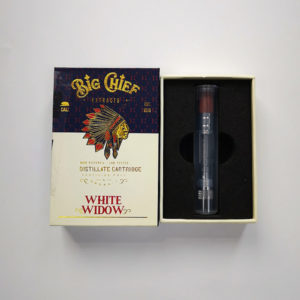
CARTRIDGES
Sale!

CARTRIDGES

HASH
$
70.00
–
$
305.00

CARTRIDGES
$
25.00

CARTRIDGES
$
25.00
Sale!

CARTRIDGES
Browse our categories


our services
free express delivery
When your order is more than $299, you receive FREE express delivery and can look forward to the worlds best medical marijuana and associate products delivered directly to your door
Exquisite Collection
We’re extremely picky about product quality & our collection is constantly being refined & is comprised of the finest buds known to humankind
Top-notch Support
We pride ourselves in providing exceptional support and we’re among the few offering dedicated 24/7 chat support to our valued customers.
How Secure Payment Processing Protects Online THC Orders
Buying cannabis products online requires more than comparing flower, cartridges, concentrates, or pre-rolls. Customers also need to know how their payment details travel from a checkout page to a financial institution. Encrypted payment processing helps protect card numbers, billing information, and order data from interception, but shoppers should still verify that security measures are genuine.
A professional-looking checkout page does not automatically prove that a transaction is safe. Fraudulent websites can copy logos, product images, and payment screens while collecting sensitive information. Learning how to inspect a secure connection, confirm the checkout domain, and evaluate the payment workflow gives buyers a practical way to reduce risk.
Payment security also matters when an order involves age verification, delivery details, or international shipping. Laws governing THC products vary significantly by location, so customers should confirm that purchases and deliveries are lawful where they live. Security checks should support responsible purchasing rather than bypass legal requirements.
What encrypted checkout actually does
Encryption converts information into an unreadable format while it moves between your browser and the website’s server. In most online stores, this protection is provided through Transport Layer Security, commonly abbreviated as TLS. TLS is the technology behind the padlock symbol and the “https” prefix displayed in a modern browser.
When encryption is working correctly, someone monitoring an unsecured network should not be able to read the card number or login details being transmitted. Encryption does not, however, guarantee that a business is legitimate. A scam website can also obtain a valid security certificate, so the certificate is only one part of the verification process.
Payment encryption should be distinguished from payment storage. A store may use a secure processor that replaces a card number with a token, meaning the merchant does not retain the original number. Tokenization, limited data retention, and compliance with payment card security standards provide additional safeguards beyond the encrypted connection itself.
Inspect the browser before entering details
Start by checking the address bar before typing any payment information. The address should begin with “https://,” and the domain should match the store you intended to visit. Be cautious of misspellings, extra words, unusual subdomains, or lookalike characters designed to imitate a legitimate business.
Clicking the padlock or site-information icon normally reveals certificate and connection details. The information will vary by browser, but it should indicate that the connection is secure and identify the domain covered by the certificate. A warning about an expired certificate, an invalid certificate, or mixed content deserves immediate attention.
A secure page can still be part of a phishing campaign if you arrived through an unexpected email, text message, advertisement, or social media link. Open a new browser window and type the store’s known web address manually when possible. Compare the domain shown on the product page, cart, login screen, and payment page; an unexplained switch to a different domain should be treated cautiously.
Verify the payment provider and checkout flow
Reputable stores generally explain how payments are handled in their privacy, billing, or terms pages. Look for a clear description of the payment processor, the types of payments accepted, how transaction data is used, and whether card information is retained. A credible checkout may redirect to a recognized processor, but the new domain should be explained rather than appearing without context.
Some legitimate cannabis businesses use specialized payment arrangements because conventional card networks may restrict THC-related transactions. That complexity makes transparency especially important. Customers should understand whether they are paying the store directly, using an authorized third-party processor, or completing a bank transfer or other alternative method.
A secure payment page should never require a customer to send a full card number, CVV, account password, or one-time authentication code through live chat, email, or an informal messaging app. Customer support may help resolve a declined transaction, but support agents should not request credentials that allow them to access or recreate the payment.
Product research and payment verification belong to separate stages of the purchase. For example, someone comparing cartridge formats can review this vape selection guide before reaching checkout, then independently inspect the payment page rather than assuming product information proves transaction security.
Compare the signals of a safer transaction
Several indicators can help distinguish a well-designed checkout from a risky one. No single feature proves that an order is safe, but multiple consistent signals create a stronger picture. The business should provide accessible contact information, clear shipping and refund terms, age-policy information, and a privacy notice written for ordinary customers.
A processor logo alone is not enough. Scammers can display familiar brand marks without actually using those services. If a payment page claims to use a particular provider, the browser address, processor branding, and transaction receipt should align. A confirmation email should identify the order without exposing the full payment card number.
The following comparison can help organize what to look for during checkout:
| Checkout signal | What it may indicate | What to verify |
|---|---|---|
| HTTPS and valid certificate | Encrypted browser connection | The certificate matches the exact domain |
| Recognized payment processor | External handling of card data | The redirect and receipt identify the provider consistently |
| Tokenization language | Reduced storage of full card numbers | The privacy policy explains how payment data is retained |
| 3-D Secure or bank authentication | Extra identity verification | The request appears inside the bank or processor flow |
| Clear billing descriptor | Easier statement recognition | The descriptor matches the merchant or disclosed processor |
| Detailed privacy policy | More transparency about data use | It explains payment, marketing, and deletion practices |
| Support contact information | A route for resolving issues | Contact details work and do not request sensitive credentials |
| Order confirmation | Evidence that the transaction was recorded | It includes an order reference without exposing card data |
A missing feature is not always proof of fraud. For example, some processors do not display the same authentication screens in every country or for every card. The goal is to assess the entire checkout experience, including the site’s policies, domain consistency, processor disclosures, and post-payment documentation.
Protect information before and after payment
Use a private, updated device for online orders whenever possible. Avoid entering payment details on public Wi-Fi, shared computers, or devices that may contain unknown browser extensions. A password manager can help prevent mistyping a domain and can also warn when a login page does not match the expected website.
Multi-factor authentication should be enabled on the email account connected to the order. Email access is valuable to attackers because order confirmations, password-reset links, delivery notifications, and payment receipts may all pass through that inbox. Use a unique password for the shopping account rather than reusing a banking or personal email password.
After submitting payment, review the confirmation page and save the order number. Check the transaction notification from your bank or card issuer and compare the amount, merchant descriptor, and date. If the charge differs from the stated total, appears more than once, or is associated with an unfamiliar business, contact the issuer through its official phone number or app.
Do not click unexpected delivery or refund links immediately after placing an order. Phishing messages often arrive shortly after a purchase and claim that an address, customs fee, or payment must be corrected. Navigate to the store or carrier independently instead of using the message’s link.
Practical checks to complete before paying
A short review before checkout can prevent many avoidable problems. The following steps are useful for both small purchases and larger bulk orders:
- Confirm that the store’s domain is spelled correctly on every page, including the payment screen.
- Check for HTTPS, a valid certificate, and the absence of browser security warnings.
- Read the privacy and billing policies for information about processors, tokenization, and data retention.
- Make sure support staff never request a full card number, CVV, password, or one-time bank code.
- Save the order reference and compare the final charge with the displayed total and billing descriptor.
Large orders deserve additional scrutiny because they may involve higher transaction values, shipping coordination, or manual fraud reviews. If a representative asks for extra documentation, verify the request through the official support channel listed on the website. Do not rely on a phone number or email address supplied in an unsolicited message.
Alternative payment methods should be assessed carefully as well. Bank transfers, digital wallets, and cryptocurrency can have different dispute rights and refund procedures from credit cards. Before choosing one, confirm whether the payment is reversible, how refunds are issued, and what records the merchant provides.
Use a secure process for every order
Verifying encrypted payment processing is a repeatable habit rather than a one-time inspection. Before paying, confirm the domain, inspect the secure connection, read the payment disclosures, and make sure the checkout behavior matches the store’s published policies. After paying, retain the receipt and watch the account associated with the transaction.
Customers should also account for the legal and practical details surrounding THC products. Confirm age eligibility, local regulations, delivery restrictions, and any customs requirements before placing an order. A technically secure payment cannot make an unlawful shipment permissible, and a legitimate store should not pressure buyers to conceal the nature of a transaction or ignore local rules.
When the checkout page, payment provider, policies, and confirmation records all align, the transaction is easier to evaluate and manage. Take a few minutes to complete these checks before entering payment information, then place the order through the verified checkout and keep the resulting records until delivery and any return period have ended.