No products in the cart.
QUALITY THC PORTAL - BUY QUALITY THC PRODUCTS ONLINE - FAST DELIVERY
Welcome to Quality THC Portal. We are premium suppliers of Quality THC Products. We supply in bulk and small quantities the following products; Package weed , Pre-rolls , Vape cartridges and Marijuana concentrates. We deliver to most countries around the world and delivery is fast and secured. Our website is well encrypted to product all your information we receive to process your orders and also we have a well setup and stable customer service team who are always available to assist you incase of any difficulty while trying to make purchase on our website. We are certain you shall enjoy our services.
Best Selling Products
Sale!


CARTRIDGES
Sale!

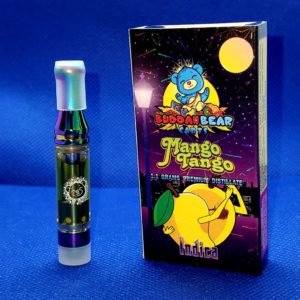
CARTRIDGES
Sale!

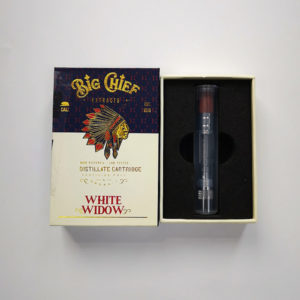
CARTRIDGES
Sale!

CARTRIDGES

HASH
$
70.00
–
$
305.00

CARTRIDGES
$
25.00

CARTRIDGES
$
25.00
Sale!

CARTRIDGES
Browse our categories


our services
free express delivery
When your order is more than $299, you receive FREE express delivery and can look forward to the worlds best medical marijuana and associate products delivered directly to your door
Exquisite Collection
We’re extremely picky about product quality & our collection is constantly being refined & is comprised of the finest buds known to humankind
Top-notch Support
We pride ourselves in providing exceptional support and we’re among the few offering dedicated 24/7 chat support to our valued customers.
How to Use Terpene Profiles to Predict Effects
Choosing cannabis by strain name alone can be unreliable. Names may describe a cultivar’s genetics, marketing identity, or appearance, but they do not always reveal how a specific batch may feel. Terpene content offers another way to evaluate flower, vape cartridges, live resin, hash, and other cannabis concentrates before making a purchase.
Terpenes are aromatic compounds found in cannabis and many other plants. They influence scent and flavor, while early research and consumer experience suggest they may also contribute to the character of a cannabis experience. A terpene profile cannot guarantee a precise effect, but it can help you form a more informed expectation when combined with cannabinoid content, product quality, and personal tolerance.
The most useful approach is to treat terpene information as a decision-making tool rather than a promise. Look for the dominant compounds, compare their relative amounts, consider the product format, and begin with a measured dose. This approach is especially important with concentrates and edibles, where potency and onset can differ considerably.
Why Terpenes Matter
Terpenes are responsible for many recognizable cannabis aromas, from citrus and tropical fruit to pine, pepper, earth, and floral notes. They are produced by the plant’s trichomes, the same resin glands associated with cannabinoids such as THC and CBD. Drying, curing, extraction, storage, and heating can all change the final terpene profile.
When people describe one cannabis product as bright and uplifting and another as heavy or relaxing, terpene composition may be part of that difference. However, the experience also depends on THC percentage, minor cannabinoids, consumption method, body chemistry, recent food intake, tolerance, and setting. A high concentration of a particular terpene does not affect every person in exactly the same way.
The “entourage effect” is often used to describe the possibility that cannabinoids and terpenes work together. This idea is actively discussed and studied, but it should not be treated as a definitive formula for predicting mood or impairment. Terpene profiles are best used to identify likely sensory and experiential tendencies, not to make medical or guaranteed-effect claims.
How To Read A Terpene Profile
A laboratory report or product listing may show individual terpene percentages, total terpene content, and sometimes a visual chart. Start by identifying the top two or three compounds rather than focusing on a single ingredient. The dominant terpene generally has the strongest influence on aroma, although smaller compounds can contribute to the overall character.
A profile with 0.8% limonene and 0.2% pinene will likely present differently from one with 0.3% limonene, 0.3% caryophyllene, and 0.2% linalool, even if both products contain a similar total terpene percentage. Ratios matter because terpene combinations create a more complete aromatic and experiential profile.
Freshness also deserves attention. Terpenes are volatile, meaning they can evaporate or degrade with exposure to heat, air, and light. Packaging dates, batch information, storage conditions, and independent testing can help you judge whether the listed profile is likely to reflect the product inside. A highly detailed profile is more useful when it comes from recent, batch-specific testing rather than a generic strain description.
Common Terpenes And Their Tendencies
Myrcene is often associated with earthy, herbal, musky, or fruity aromas. Products rich in myrcene are commonly described by consumers as calming, physically soothing, or more likely to encourage a slower pace. These descriptions are not universal, and a high-THC product with myrcene may still feel intense or mentally stimulating for someone with low tolerance.
Limonene usually contributes lemon, orange, or other citrus notes. Many consumers associate it with a bright, cheerful, or energetic character, making it a popular choice for daytime activities. Pinene brings pine and fresh forest aromas and is often selected by people who prefer a crisp, clear sensory profile. Terpinolene can add sweet, floral, herbal, and lightly citrus-like notes, sometimes producing a lively or complex impression.
Linalool has a floral, lavender-like scent and is frequently linked with a softer, more tranquil experience. Caryophyllene produces peppery, spicy, and woody notes and is unusual because it can interact with the body’s endocannabinoid system in ways that differ from many other common terpenes. Humulene is earthy and woody, sometimes with a hop-like quality. These associations are useful starting points, but they should never replace personal observation.
| Dominant terpene | Common aroma notes | Frequently reported experience | Situations where it may appeal |
|---|---|---|---|
| Myrcene | Earthy, musky, herbal, fruity | Heavy, calm, body-focused | Evening relaxation or winding down |
| Limonene | Lemon, orange, citrus | Bright, lively, positive | Daytime use or social settings |
| Pinene | Pine, fresh herbs, forest | Crisp, alert, outdoorsy | Activities requiring a lighter feel |
| Linalool | Floral, lavender, sweet | Gentle, soothing, mellow | Quiet evenings and low-key routines |
| Caryophyllene | Pepper, spice, wood | Grounded, balanced, robust | Users who enjoy savory, complex profiles |
| Terpinolene | Floral, citrus, herbal, sweet | Energetic or mentally active | Creative time and daytime exploration |
Match Aromas To The Setting
Predicting effects works best when you begin with the setting and desired intensity, then use the terpene profile to narrow your options. For a calm evening, you might explore products featuring myrcene, linalool, or a balanced combination of earthy and floral terpenes. For daytime use, citrus-forward limonene, pine-dominant pinene, or a lively terpinolene profile may feel more suitable to some consumers.
This does not mean a terpene automatically determines whether a product is “indica” or “sativa.” Those labels are broad and often fail to describe the chemistry of a particular batch. Two products with the same traditional category can have very different cannabinoid levels and aromatic compounds. A batch-specific profile is generally more informative than a category name.
The delivery method can change the experience as much as the terpene content. Inhaled products usually act quickly, while edibles may take much longer to become noticeable and can last substantially longer. Concentrates and vape cartridges may also deliver a larger amount of THC in a shorter period than flower. Anyone using edibles should review a careful THC edible dosage guide and avoid taking more simply because the first effects have not appeared.
Compare Products Beyond The Strain Name
When comparing cannabis products, record four basic details: THC and CBD content, dominant terpenes, total terpene percentage, and format. This information creates a more useful product fingerprint than a strain label by itself. A flower product with moderate THC and a layered terpene profile may feel very different from a high-potency cartridge using the same cultivar name.
Extraction can also affect the final result. Live resin and other terpene-rich concentrates are designed to preserve more of the plant’s aromatic character than some highly refined extracts. Distillate cartridges may have a simpler cannabinoid profile and added or reintroduced terpenes. Neither format is automatically better; the appropriate choice depends on desired flavor, potency, convenience, and experience level.
Independent testing is another important part of the evaluation. Look for current certificates of analysis that identify cannabinoid potency, terpene content, and screening for contaminants. A product listing with clear batch information and transparent specifications is easier to assess than one relying solely on colorful strain descriptions. For shoppers comparing formats, Quality THC Portal provides a place to review cannabis products while considering details such as flower, pre-rolls, cartridges, and concentrates.
Build A Personal Effect Map
The most reliable way to use terpene profiles is to compare predictions with your own measured experiences. Keep a simple record of the product, dose, time of day, consumption method, dominant terpenes, and effects you noticed. Include unwanted responses such as anxiety, dizziness, grogginess, dry mouth, or difficulty concentrating. Patterns may become clearer after several sessions.
Start with products that have moderate potency and a clear laboratory profile. Use a small amount, wait long enough for the product type to take effect, and avoid combining cannabis with alcohol or other intoxicating substances. Inhaled cannabis can be felt within minutes, while edibles may require much longer; following the product’s instructions and allowing adequate time can reduce the risk of accidental overconsumption.
Personal tolerance can also change over time. Sleep, stress, food, hydration, medications, and frequency of use may alter the experience, so a terpene profile that felt comfortable previously may not feel identical in a different situation. People who are pregnant, managing a medical condition, taking prescription medicines, or operating vehicles and machinery should seek appropriate professional guidance and avoid impairment.
Practical Rules For Choosing A Profile
A straightforward selection process can make product comparisons less confusing:
- Begin with the intended setting, such as daytime activity, social use, creative work, or evening relaxation.
- Check THC, CBD, and serving information before interpreting the terpene list.
- Focus on the dominant two or three terpenes and note whether the profile is citrusy, floral, piney, earthy, or spicy.
- Choose batch-specific laboratory data when available, especially for concentrates and vape products.
- Start with a conservative amount, wait for the expected onset, and record your response before changing products.
Terpene percentages should also be viewed in context. A product with a high total terpene level may deliver powerful flavor and aroma, but that does not automatically mean its effects will be stronger. Likewise, a low total percentage does not make a product ineffective. Cannabinoid concentration and dose remain central factors, while terpenes help shape the character of the experience.
Storage can preserve the profile you selected. Keep cannabis sealed in a cool, dark place away from excessive heat and air. Avoid leaving cartridges, flower, or concentrates in hot vehicles or direct sunlight. If a product develops an unusually stale, harsh, or altered aroma, its terpene composition may have changed, even if the printed label remains the same.
Use terpene data as a way to shop more deliberately, not as a guarantee of a particular mood or result. By comparing batch reports, cannabinoid levels, aroma families, and your own notes, you can gradually identify which profiles suit your preferences and routines. Explore clearly labeled products, make conservative choices, and let consistent personal observations guide future purchases.