No products in the cart.
QUALITY THC PORTAL - BUY QUALITY THC PRODUCTS ONLINE - FAST DELIVERY
Welcome to Quality THC Portal. We are premium suppliers of Quality THC Products. We supply in bulk and small quantities the following products; Package weed , Pre-rolls , Vape cartridges and Marijuana concentrates. We deliver to most countries around the world and delivery is fast and secured. Our website is well encrypted to product all your information we receive to process your orders and also we have a well setup and stable customer service team who are always available to assist you incase of any difficulty while trying to make purchase on our website. We are certain you shall enjoy our services.
Best Selling Products
Sale!


CARTRIDGES
Sale!

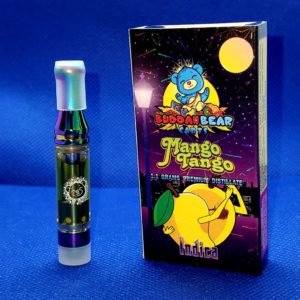
CARTRIDGES
Sale!

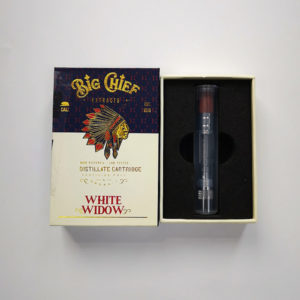
CARTRIDGES
Sale!

CARTRIDGES

HASH
$
70.00
–
$
305.00

CARTRIDGES
$
25.00

CARTRIDGES
$
25.00
Sale!

CARTRIDGES
Browse our categories


our services
free express delivery
When your order is more than $299, you receive FREE express delivery and can look forward to the worlds best medical marijuana and associate products delivered directly to your door
Exquisite Collection
We’re extremely picky about product quality & our collection is constantly being refined & is comprised of the finest buds known to humankind
Top-notch Support
We pride ourselves in providing exceptional support and we’re among the few offering dedicated 24/7 chat support to our valued customers.
How to Check Cannabis Potency Before You Use It
Cannabis potency can vary substantially between products, batches, and even different parts of the same flower. A package may list THC, THCA, CBD, or total cannabinoids, but that label is only useful when it is supported by accurate testing and a representative sample. Home testing can help you identify broad differences, although it rarely matches the precision of a regulated analytical laboratory.
The most important distinction is between detecting cannabinoids and measuring them. A simple reagent may indicate that THC-like compounds are present, while a more advanced kit may provide an approximate concentration. Neither result should automatically be treated as an exact certificate of analysis.
A careful process also involves checking product identity, storage condition, sample consistency, and the limitations of the test itself. These steps are useful for flower, pre-rolls, hash, live resin, vape cartridges, and other concentrates, but each format requires a slightly different approach.
What Potency Testing Can Tell You
Potency testing estimates the concentration of active cannabinoids in a product. For flower, results are commonly expressed as a percentage by weight, such as 18% THC or 22% total cannabinoids. Concentrates may be reported as a percentage, while vape cartridges and edibles are often described in milligrams per cartridge, package, or serving.
A basic calculation helps put percentages into practical terms. One percent of a gram equals approximately 10 milligrams, so 20% THC in one gram of flower represents about 200 milligrams of THC before accounting for extraction efficiency, combustion losses, or incomplete consumption. This is a theoretical total, not the amount that reaches the bloodstream.
Raw cannabis may contain substantial THCA rather than active THC. When heated, THCA can convert into THC, and a common laboratory estimate uses the factor 0.877:
Total THC ≈ THC + (THCA × 0.877)
Home kits may use different measurement methods and may not account for this conversion correctly. Always check whether the result refers to THC, THCA, total THC, CBD, or total cannabinoids before comparing it with a package label.
Choose A Suitable Testing Method
Color-change reagent kits are generally the simplest option. They can indicate the likely presence of cannabinoid compounds, but they are usually poor at distinguishing exact potency. The final color may be affected by the sample’s age, moisture, pigments, terpenes, and the lighting used to interpret the result.
Thin-layer chromatography kits offer a more informative screening method. The sample is dissolved, placed on a coated plate, and compared with reference compounds. A visible spot can help identify cannabinoids and sometimes provide a rough concentration range. Results depend heavily on sample preparation, solvent handling, plate quality, and the user’s ability to interpret the bands.
Portable infrared or near-infrared devices may provide an estimated cannabinoid profile without requiring the same type of chemical preparation. Their accuracy depends on calibration, software, product format, and whether the device is designed for flower, oils, or concentrates. A device that works reasonably well for dry plant material may be less dependable for a thick resin or flavored vape oil.
The most reliable option remains an independent, accredited cannabis laboratory. A lab can use high-performance liquid chromatography or gas chromatography, along with tests for pesticides, heavy metals, residual solvents, microbial contamination, and foreign material. For products intended for regular use, a lab certificate is more meaningful than a home color test.
Prepare A Representative Sample
Sampling is often the weakest part of a home potency check. Cannabis is not perfectly uniform, and a dense flower center may differ from the outer surface. Resin can collect unevenly, while a pre-roll may contain a mixture of flower, shake, and small fragments. Testing one visible piece can therefore produce a result that does not represent the entire package.
Mixing the sample carefully improves consistency. For flower, remove stems and large seeds, then break the material into a uniform texture without overheating it. Use a clean tool and container. If the product is sticky, allow it to reach a workable temperature naturally rather than applying direct heat, which can change volatile compounds and potentially alter the sample.
Concentrates require particular care. A small portion taken from the top of a container may not match material at the bottom. Gently homogenize the product when the manufacturer’s packaging allows it, and avoid introducing water, plant debris, or residue from another sample. Do not dilute a concentrate unless the test instructions specifically require a controlled solvent extraction.
For a meaningful comparison, record the product type, batch number, claimed potency, date tested, storage conditions, and sample mass. Testing the same product more than once can reveal how repeatable the kit is. If results vary widely, the difference may reflect sampling or test limitations rather than a sudden change in cannabinoid content.
| Testing approach | What it can show | Main limitation | Best use |
|---|---|---|---|
| Color reagent | Likely cannabinoid presence | Low quantitative accuracy and possible color interference | Basic screening |
| Thin-layer chromatography | Approximate cannabinoid profile and range | Requires careful preparation and interpretation | Comparing samples |
| Portable spectroscopy | Estimated cannabinoid concentration | Depends on calibration and product type | Repeated checks on similar products |
| Laboratory chromatography | Detailed, quantitative cannabinoid results | Costs more and requires sending a sample | Verification and quality control |
| Package certificate of analysis | Reported potency and contaminant results | May not represent the current batch or product condition | Initial product assessment |
Read Results With Appropriate Caution
A home test result should be treated as an estimate rather than a guarantee. If a kit suggests that a product contains 15% to 20% THC, that range is more useful than pretending the sample contains exactly 17.3%. The broader the kit’s uncertainty, the more conservative your interpretation should be.
Check the test’s control line, expiration date, storage instructions, and required sample quantity. An invalid control result means the test did not work as designed. A faint or ambiguous color should not be interpreted as a precise potency figure. Photographing the result in consistent lighting can help with record keeping, but a photograph cannot correct a flawed test.
Contamination screening is a separate issue. A product may contain the expected amount of THC and still present risks from mold, pesticides, residual solvents, heavy metals, or adulterants. Most household cannabinoid kits do not test for these hazards. When buying online or from an unfamiliar source, reviewing authentic THC products can help you understand why packaging, batch details, and verifiable laboratory documentation matter.
Do not use a positive cannabinoid result as proof that a product is safe to inhale or consume. Potency and purity are different measurements, and neither can be confirmed fully by a basic home strip or color reaction.
Match The Method To The Product
Flower is usually the easiest format to sample because it can be ground and mixed. However, moisture affects the reported percentage by weight. A damp sample may appear less potent per gram because more of its weight comes from water, while an overly dry sample may lose aromatic compounds and become harsher to use.
Hash, rosin, wax, and live resin are more concentrated and may require smaller sample quantities. Their texture can make uniform mixing difficult, and some testing kits are designed only for plant material. Follow the kit’s instructions precisely and avoid assuming that a flower test can be transferred directly to a thick concentrate.
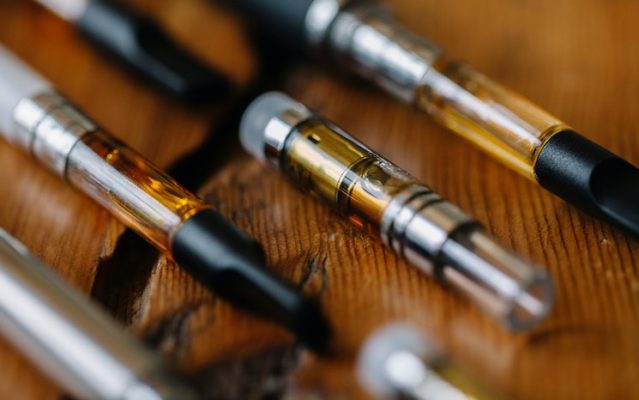
Vape cartridges create another complication. Cannabinoids can settle or separate during storage, and the oil may contain terpenes or other ingredients that interfere with a simple color reaction. Testing the cartridge itself can also damage the hardware and create an exposure or leakage risk. If you need dependable information about a vape product, a batch-specific certificate from a qualified laboratory is preferable.
Edibles should be assessed through the package’s total milligram amount and serving size rather than by testing a random bite. Cannabinoids may not be evenly distributed if the product was poorly mixed during manufacturing. Avoid increasing a serving based solely on an uncertain home result, particularly when the product has a delayed onset.
Use A Conservative Dosing Framework
Potency estimates become useful when combined with measured portions. For flower, weigh the amount used and apply the estimated percentage to calculate theoretical THC. For example, 0.1 gram of flower estimated at 20% THC contains roughly 20 milligrams of THC before losses from heating and inhalation. This figure is approximate and should not be treated as an exact delivered dose.
For concentrates, a 75% THC estimate means approximately 750 milligrams of THC per gram of material before losses. Because concentrates are dense, a small weighing error can produce a large difference in the estimated amount consumed. A precision scale designed for small quantities is more useful than visual comparisons such as “a grain of rice.”
For inhaled products, effects can begin quickly but may continue to develop over several minutes. For oral products, onset may take much longer and duration can be substantially greater. Avoid combining uncertain potency with alcohol, sedating substances, or additional cannabis before the first dose has had enough time to take effect.
Practical Steps For More Reliable Checks
- Verify that the kit is designed for the product format you are testing.
- Use a clean, representative sample and follow the stated sample mass.
- Record the batch number, claimed potency, test date, and observed result.
- Repeat an unexpected result with a fresh sample rather than adjusting the interpretation.
- Treat home estimates as a harm-reduction tool, not a substitute for accredited laboratory analysis.
Keeping a simple testing log can reveal patterns over time. Note storage conditions, texture, smell, claimed cannabinoid content, test result, and subjective effects separately. Subjective effects should never replace chemical testing, but they may show that two products with similar labels do not feel identical because of differences in terpenes, minor cannabinoids, tolerance, or consumption method.
Store Products To Preserve Their Profile
Potency can change with light, heat, oxygen, and time. Flower stored in direct sunlight may lose cannabinoids and terpenes faster than material kept in a cool, dark, stable environment. Excess humidity can encourage microbial growth, while very dry conditions can make flower brittle and reduce aromatic quality.
Keep products in their original, clearly labeled packaging whenever possible. Use child-resistant storage and separate cannabis from food, medication, and products intended for pets. Concentrates should remain sealed to limit oxidation and contamination. Vape cartridges should be stored upright when the manufacturer recommends it, especially if leakage could affect the oil or hardware.
When a product has changed color, developed an unusual odor, leaked, or shown visible mold, do not rely on a potency test to decide whether it is usable. A chemical estimate cannot establish that a deteriorated product is safe. Dispose of questionable material according to local rules, and keep all cannabis products away from children and animals.
A reliable information source can also help you compare product formats and expected effects without confusing potency with quality. For readers evaluating options for attention-oriented activities, this guide to strains for creative focus provides useful context, although individual responses can vary substantially.
Use home potency checks as one part of a broader quality-control routine: verify the source, inspect the packaging, check the batch documentation, sample carefully, and interpret results conservatively. When accuracy matters, send a representative sample to an independent laboratory rather than relying on a household estimate.
Before your next purchase or session, compare the product’s label with any available certificate of analysis, keep a measured record of what you use, and choose products supported by transparent testing information. That approach makes cannabis use more predictable while giving you a clearer basis for evaluating flower, vapes, pre-rolls, hash, live resin, and other concentrates.