No products in the cart.
QUALITY THC PORTAL - BUY QUALITY THC PRODUCTS ONLINE - FAST DELIVERY
Welcome to Quality THC Portal. We are premium suppliers of Quality THC Products. We supply in bulk and small quantities the following products; Package weed , Pre-rolls , Vape cartridges and Marijuana concentrates. We deliver to most countries around the world and delivery is fast and secured. Our website is well encrypted to product all your information we receive to process your orders and also we have a well setup and stable customer service team who are always available to assist you incase of any difficulty while trying to make purchase on our website. We are certain you shall enjoy our services.
Best Selling Products
Sale!


CARTRIDGES
Sale!


CARTRIDGES
Sale!

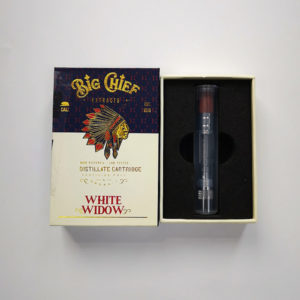
CARTRIDGES
Sale!

CARTRIDGES

HASH
$
70.00
–
$
305.00

CARTRIDGES
$
25.00

CARTRIDGES
$
25.00
Sale!

CARTRIDGES
Browse our categories


our services
free express delivery
When your order is more than $299, you receive FREE express delivery and can look forward to the worlds best medical marijuana and associate products delivered directly to your door
Exquisite Collection
We’re extremely picky about product quality & our collection is constantly being refined & is comprised of the finest buds known to humankind
Top-notch Support
We pride ourselves in providing exceptional support and we’re among the few offering dedicated 24/7 chat support to our valued customers.
How to Tell If Your THC Vape Cartridge Is Clogged and Clear It
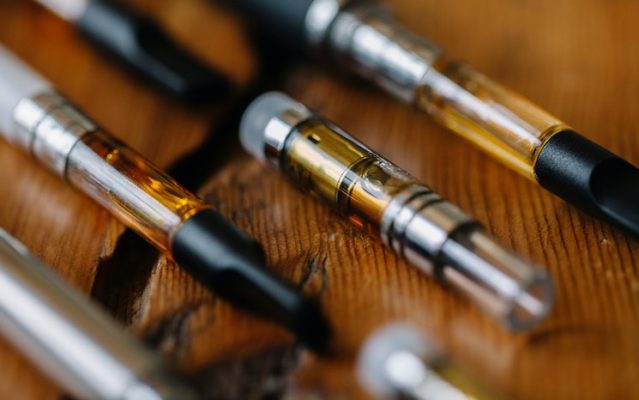
A blocked THC vape cartridge can be frustrating, especially when the battery activates but little or no vapour comes through. You may notice a tight draw, bubbling in the chamber, a burnt taste, or a small amount of oil collecting around the mouthpiece. These signs usually point to restricted airflow rather than an empty device.
Cartridge blockages often happen when thick cannabis oil cools and settles inside the airway. Temperature changes, long periods of storage, overfilling, condensation and repeated hard pulls can all contribute. A cartridge that has been left in a cold car in Melbourne or a cool cupboard in Hobart may behave differently from one kept at room temperature.
Australian consumers also need to think about product legality and quality. Cannabis access rules vary by state and territory, while medicinal cannabis is generally supplied through authorised pathways and prescriptions. Products bought through unverified channels may have inaccurate labels, contaminated oil or unsuitable hardware, so a clog should be treated as a possible device-quality issue as well as a minor inconvenience.
Before trying to clear the airway, check the cartridge, battery and packaging. If the oil is leaking, the glass is cracked, the hardware is unusually hot or the vapour tastes strongly burnt, stop using it. Safe handling matters more than recovering the last few draws.
Recognising a blocked vape cartridge
The clearest symptom is restricted airflow. When you inhale, the battery may light up or the button may activate, yet the draw feels unusually tight. You might hear a faint whistle, bubbling or crackling without producing a normal amount of vapour. A small amount of vapour followed by nothing can also indicate that oil has moved into the central air path.
Another clue is a sudden change from normal performance. If the cartridge worked properly earlier and then becomes difficult to draw, condensation or thickened oil may be blocking the mouthpiece. A blocked cart can also cause the battery to work harder, creating more heat than usual and increasing the chance of a harsh or burnt hit.
Inspect the mouthpiece under good light. Look for a dark or sticky spot inside the opening, oil around the seal, or a visible film covering the airway. Do not assume every failure is a clog: a flat battery, loose connection, damaged coil or empty reservoir can produce similar symptoms.
Why THC oil becomes difficult to draw
Cannabis extracts vary in thickness. Distillate may flow more easily than some high-terpene extracts, live resin or other concentrates, particularly when the cartridge is stored somewhere cold. In Australia, a winter morning in Canberra can make a thick oil noticeably less mobile, while summer heat in Brisbane can make it runny enough to seep into the mouthpiece.
Storage position also matters. Keeping a cartridge on its side or upside down may allow oil to enter the central chimney. Repeatedly pulling hard on a partially blocked mouthpiece can draw more oil into that passage. This can create a cycle where the airway becomes tighter and the user inhales with increasing force.
Condensation is another common cause. Vapour cools inside the mouthpiece and leaves behind a thin layer of liquid. Over time, that residue mixes with oil and narrows the opening. A cartridge that is frequently carried in a pocket, backpack or glovebox may experience repeated temperature changes, making condensation more likely.
Safe ways to clear the airway
Start by disconnecting the cartridge from the battery. Hold it upright and inspect the mouthpiece without inserting pins, needles or other sharp metal objects. A narrow tool can damage the internal airway, push material deeper into the coil, scratch the seal or leave behind particles that are unsafe to inhale.
If the cartridge is cool, allow it to sit upright at room temperature for several minutes. Gentle warmth can make thick oil move more freely, but avoid hairdryers, open flames, boiling water, ovens or direct sunlight. Excessive heat may degrade the extract, damage the cartridge seal or cause pressure to build inside the chamber.
Once the cartridge has warmed naturally, wipe the mouthpiece with a clean, dry cotton swab. Keep the swab at the opening rather than pushing it down the airway. If your battery has a manufacturer-approved preheat function, use the lowest suitable setting and follow the device instructions. A short cycle is safer than repeated long heating.
Do not keep inhaling forcefully to “break through” the blockage. Hard draws can pull excess oil into the chimney and may expose you to a concentrated mouthful of liquid. If the cartridge begins leaking, tastes burnt or becomes hot to the touch, place it on a non-flammable surface and discontinue use.
| Symptom | Likely cause | Safer response |
|---|---|---|
| Battery activates but airflow is tight | Condensation or oil in the mouthpiece | Disconnect, warm naturally and wipe the opening |
| Bubbling or gurgling | Oil has entered the central airway | Stop forceful draws and check for leakage |
| No light or no heat | Flat battery or poor connection | Recharge according to the device instructions and inspect contacts |
| Burnt taste with little vapour | Dry coil, overheating or damaged cartridge | Stop using it rather than increasing the temperature |
| Oil leaking from the base | Faulty seal or overheated hardware | Isolate the cartridge and contact the seller or manufacturer |
| Cartridge is cold and very thick | Low storage temperature | Let it return gradually to room temperature |
Battery and cartridge checks
A clog is easy to misdiagnose when the real problem is a battery connection. Remove the cartridge and inspect the threaded base or magnetic connector. Residue can prevent proper contact, while overtightening can push the cartridge pin inward and stop the device from recognising it. Clean only the external contact area with a dry cotton swab and never use liquid around the battery.
If the battery has variable voltage, use the lowest setting recommended for the cartridge. High heat can thin the oil too quickly, flood the coil and create gurgling. It can also scorch the wick, producing a burnt flavour that will not disappear simply because the airway is clear.
A cartridge should sit securely without wobbling. If it is cross-threaded, cracked or difficult to attach, do not force it. Keep rechargeable batteries away from loose keys and coins, and charge them with the appropriate cable on a stable surface. Do not leave a charging device unattended or in a hot vehicle, a practical concern during an Australian summer road trip.
When checking product information, packaging and batch details can help identify whether the problem is isolated to one cartridge. If you purchase from an online retailer, review its support and replacement process before using the product; browse cartridge options alongside clear product information rather than relying on appearance alone.
Storage habits that prevent clogs
Store cartridges upright in a cool, dry place away from direct sunlight. Room-temperature storage is generally preferable to a fridge, because refrigeration can make oil excessively thick and introduce condensation when the cartridge is removed. Avoid bathrooms, windowsills, glove compartments and other places with large humidity or temperature swings.
Keep the mouthpiece covered when a protective cap is supplied. If the cartridge is carried in a bag, store it in a small case rather than loose beside lint, sand or crumbs. This is particularly useful for people moving between outdoor settings and air-conditioned rooms, such as a weekend around the Gold Coast, Perth or the Blue Mountains.
Use slow, gentle draws rather than sharp pulls. Allow a short pause between inhalations so the coil can cool and the oil can resettle. Repeated heating while the reservoir is nearly empty can damage the coil and create a burnt taste, so treat low oil levels as a reason to replace the cartridge rather than an invitation to increase the heat.
Visual inspection is useful for spotting leaks, cloudiness or changes in oil colour. If you are photographing a product for your own records, clean lighting and a stable background make defects easier to see; an outdoor photo guide offers general tips on handling natural light and outdoor images, even though it is not a cannabis hardware guide.
When cleaning is not enough
A cartridge may be beyond recovery if it leaks repeatedly, produces a persistent burnt flavour or shows dark material spreading through the oil. Cracks in the glass, loose mouthpieces and damaged seals are safety concerns rather than simple airflow problems. Do not attempt to refill a sealed cartridge unless the manufacturer explicitly designed it for that purpose.
Stop immediately if you experience chest discomfort, severe coughing, dizziness, nausea, confusion or unusual breathing difficulty after vaping. Move to fresh air and seek medical help if symptoms are serious or do not settle. In Australia, call emergency services on 000 for urgent symptoms, and contact the Poisons Information Centre on 13 11 26 for poisoning advice.
Keep cannabis products away from children and pets. Do not drive, cycle in traffic or operate machinery after using THC, and remember that roadside drug-testing rules can apply even when a product was obtained through a legal medicinal pathway. State and territory laws differ, so local guidance from a doctor, pharmacist or official health authority is more reliable than informal online claims.
Practical habits for a cleaner draw
- Store the cartridge upright at stable room temperature and away from sunlight.
- Inspect the mouthpiece and base before connecting it to a battery.
- Use the lowest suitable voltage and avoid repeated long preheat cycles.
- Take gentle draws and allow the device to cool between uses.
- Clean only the outer mouthpiece and connector with a dry cotton swab.
- Replace any cartridge that leaks, cracks, overheats or tastes persistently burnt.
- Keep packaging, batch details and purchase records in case support or testing is needed.
A clogged THC vape cartridge is often caused by thick oil, condensation or residue, and gentle room-temperature warming may restore airflow. Sharp tools, open flames and aggressive inhaling can turn a small blockage into damaged hardware or an unpleasant exposure. When the cartridge remains faulty, disposing of it safely and contacting the seller is the better choice.
For Australian users, product provenance, local regulations and responsible storage deserve the same attention as vapour production. Check the device, protect the battery, stop when something feels wrong and seek professional advice for health concerns rather than trying to force a defective cartridge back into service.