No products in the cart.
QUALITY THC PORTAL - BUY QUALITY THC PRODUCTS ONLINE - FAST DELIVERY
Welcome to Quality THC Portal. We are premium suppliers of Quality THC Products. We supply in bulk and small quantities the following products; Package weed , Pre-rolls , Vape cartridges and Marijuana concentrates. We deliver to most countries around the world and delivery is fast and secured. Our website is well encrypted to product all your information we receive to process your orders and also we have a well setup and stable customer service team who are always available to assist you incase of any difficulty while trying to make purchase on our website. We are certain you shall enjoy our services.
Best Selling Products
Sale!


CARTRIDGES
Sale!


CARTRIDGES
Sale!

CARTRIDGES
Sale!

CARTRIDGES

HASH
$
70.00
–
$
305.00

CARTRIDGES
$
25.00

CARTRIDGES
$
25.00
Sale!

CARTRIDGES
Browse our categories


our services
free express delivery
When your order is more than $299, you receive FREE express delivery and can look forward to the worlds best medical marijuana and associate products delivered directly to your door
Exquisite Collection
We’re extremely picky about product quality & our collection is constantly being refined & is comprised of the finest buds known to humankind
Top-notch Support
We pride ourselves in providing exceptional support and we’re among the few offering dedicated 24/7 chat support to our valued customers.
How to Tell If Your Hash Has Been Pressed Improperly
Hash is made by collecting and compressing cannabis trichomes, the resin-rich glands that contain cannabinoids and aromatic terpenes. The pressing stage affects its texture, scent, colour, stability, and how it behaves when warmed. A well-made product should hold together without feeling wet, crumbly, greasy, or contaminated.
Poor compression can result from excessive heat, uneven pressure, trapped moisture, plant material, or unsuitable storage before and after pressing. For Australian consumers, checking these details matters because the unregulated market can make potency, cleanliness, and origin difficult to verify. A careful inspection cannot replace laboratory testing, but it can help identify obvious quality problems before use.
What Well-Made Hash Looks Like
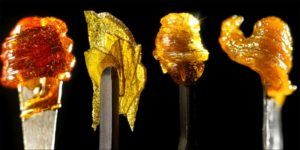
Properly pressed hash usually has a dense, cohesive structure. It may be soft and pliable at room temperature, or firm enough to break cleanly, depending on the starting material and pressing method. Colours range from pale gold and tan to medium brown, dark brown, or nearly black on the outside. Colour alone is not proof of quality because cultivar, age, oxidation, and processing conditions all influence appearance.
When broken apart, good hash often shows a reasonably even interior rather than a mixture of loose leaves, large stems, and hard resinous chunks. It may contain visible trichome heads, but it should not resemble ordinary dried flower that has simply been crushed and packed together. A slightly oily sheen can be normal in resin-rich material, while a glossy, sticky surface may indicate excess heat or added oils.
A fresh resin product can feel elastic, tacky, or malleable without leaving an unusual chemical film on the fingers. It should regain some structure after handling. If it instantly collapses into dust, feels damp like clay, or stretches like melted plastic, its composition or moisture balance may be problematic.
Visual And Physical Warning Signs
One of the clearest warning signs is an uneven block with a dry, powdery centre and a very hard exterior. This can happen when the outside has been exposed to more pressure or heat than the inside. The result may look polished but contain poorly compressed material within. A cross-section that reveals pale plant fragments, hollow pockets, or a sharp difference between the outer layer and core deserves caution.
Excessive heat can darken the surface and produce a shiny, almost varnished finish. Heat may also drive off delicate terpenes and alter the texture, leaving the hash brittle when cool and oily when warm. It does not automatically mean the material is unsafe, but it suggests that the pressing process may have reduced aroma and changed the intended character of the product.
Moisture creates another set of concerns. Hash that feels cold, wet, or unusually spongy may have been pressed before it was adequately dried or may have absorbed water during storage. Look for pale fuzzy spots, web-like growth, musty odours, or areas that appear green, white, or grey in a way that does not match the rest of the sample. Mould is a reason to discard the product rather than trying to scrape off the affected section.
Contamination can also appear as grit, hair, fibres, visible powder, or tiny reflective particles. A small amount of natural plant material may occur in traditional preparations, but sharp fragments or a sandy texture are not normal quality markers. Do not taste suspicious material to identify it. A simple visual and tactile check is safer than deliberately exposing yourself to an unknown substance.
Smell, Taste, And Burn Behaviour
A healthy aroma is often earthy, herbal, pine-like, spicy, floral, or citrusy, depending on the plant variety and terpene profile. The scent should be recognisably cannabis-like rather than dominated by solvents, perfume, petrol, plastic, ammonia, or strong mould. A flat aroma can occur in old or over-heated hash, while an acrid chemical smell may point to contamination or poor storage.
When warmed carefully, quality hash generally softens and releases a stronger natural aroma. It may bubble or become more pliable because of its resin content, but dramatic sparking, crackling, or aggressive bubbling can indicate excess moisture, impurities, or trapped plant matter. Avoid holding an unknown sample close to the face while heating it, since irritating vapour can be released.
Burn behaviour can provide clues, although it is not a reliable purity test. A product that burns unevenly, leaves a hard black residue, produces unusually harsh smoke, or smells like burnt plastic should not be treated as acceptable simply because it ignites. Combustion itself creates irritants, and a burn test cannot identify pesticides, heavy metals, synthetic cannabinoids, or other contaminants.
The safest approach is to stop when the aroma or behaviour seems wrong. In Australia, products obtained outside the regulated medicinal system may have no independent certificate of analysis. Even when a sample looks authentic, appearance and smell cannot confirm cannabinoid concentration or rule out residues.
| Sign | What It May Indicate | Sensible Response |
|---|---|---|
| Even, cohesive texture | Consistent compression and suitable moisture | Continue checking aroma, packaging, and source |
| Powdery or hollow centre | Uneven pressure or poorly prepared material | Treat with caution and avoid if quality is doubtful |
| Very glossy, oily surface | Excess heat, added oils, or resin migration | Do not assume shine means higher potency |
| Musty smell or fuzzy growth | Moisture damage or mould | Discard without tasting or burning |
| Solvent, plastic, or petrol odour | Possible contamination or chemical exposure | Do not use; retain packaging for evidence |
| Loud crackling or aggressive sparking | Moisture or foreign material | Stop heating and avoid further exposure |
| Harsh smoke and unusual residue | Impurities, degradation, or unsuitable combustion | Stop use and seek regulated alternatives |
Storage, Labelling, And Australian Context
Australia’s cannabis rules vary by purpose and jurisdiction. Medicinal cannabis is generally accessed through an authorised prescriber and supplied through approved pathways, while recreational cannabis remains illegal in most states and territories. The Australian Capital Territory has limited personal-use provisions, but those rules do not create a nationwide recreational market and do not remove restrictions concerning supply, public use, or driving. Laws can change, so consumers should check current guidance from their state or territory health department.
Local conditions also affect product quality. A parcel left in a hot Sydney delivery van or a warm Melbourne apartment can soften and re-harden repeatedly, changing texture and aroma. In Brisbane, Darwin, or coastal areas, humidity can increase the risk of moisture exposure if packaging is not properly sealed. Keeping resin in an airtight, light-resistant container in a cool, stable location is preferable to leaving it in a car, bathroom, or sunny windowsill.
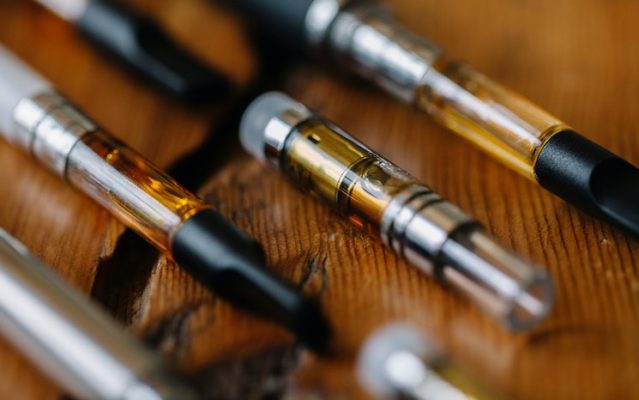
Labelling should be treated as part of the quality check. Look for a batch number, production or expiry information, cannabinoid details, storage instructions, and a credible certificate of analysis where applicable. A professional label does not prove that the contents are genuine, but missing information, inconsistent spelling, or claims of guaranteed effects are warning signs. A reputable cannabis information and retail resource such as Quality THC Portal may help readers understand product categories and the questions worth asking about extracts, cartridges, and concentrates.
Australian consumers should also be wary of claims involving international delivery. Importing cannabis products can involve customs, border, prescription, and biosecurity rules, even when a seller presents shipping as routine. A product being advertised online does not automatically make possession or importation lawful. Check the legal position that applies to your location before ordering, and never drive, cycle, or operate machinery after using THC.
Practical Checks Before You Use It
A cautious inspection is most useful when it is done in stages. First examine the outside in good light, then assess the smell without heating it. If the sample passes those checks, handle a very small amount to assess whether it is cohesive, excessively wet, gritty, or unusually oily. Do not rely on a single feature, since colour and softness can vary naturally between hash types.
Keep the original packaging, receipt, photographs, and batch details if something appears wrong. These records may help a regulated supplier investigate a defective product or assist a medical service in understanding a possible adverse reaction. If use is followed by chest pain, severe vomiting, confusion, breathing difficulty, fainting, or unusual agitation, seek urgent medical help and explain what was consumed.
The following habits reduce the chance of using poorly pressed or contaminated hash:
- Buy only through a lawful, traceable pathway appropriate to your state or territory.
- Check packaging, batch information, expiry details, and available laboratory results before use.
- Reject material with mould, chemical odours, grit, plastic-like residue, or unexplained moisture.
- Store hash in an airtight container away from heat, sunlight, humidity, children, and pets.
- Avoid judging potency by colour, shine, bubbling, or the size of the piece.
- Do not mix an unfamiliar cannabis product with alcohol, sedatives, or other intoxicants.
- Stop using it if the smell, vapour, burn, or physical effects seem unusual.
Pressed hash should have a coherent texture, a natural resinous aroma, and no obvious signs of water damage, chemical contamination, or extreme heat exposure. No home inspection can confirm purity, so questionable material is best left unused rather than tested through consumption. For Australians, legal sourcing, careful storage, and independent product information provide stronger protection than appearance alone. Use reliable educational resources and regulated channels to make informed decisions about cannabis extracts and personal safety.