No products in the cart.
QUALITY THC PORTAL - BUY QUALITY THC PRODUCTS ONLINE - FAST DELIVERY
Welcome to Quality THC Portal. We are premium suppliers of Quality THC Products. We supply in bulk and small quantities the following products; Package weed , Pre-rolls , Vape cartridges and Marijuana concentrates. We deliver to most countries around the world and delivery is fast and secured. Our website is well encrypted to product all your information we receive to process your orders and also we have a well setup and stable customer service team who are always available to assist you incase of any difficulty while trying to make purchase on our website. We are certain you shall enjoy our services.
Best Selling Products
Sale!


CARTRIDGES
Sale!


CARTRIDGES
Sale!

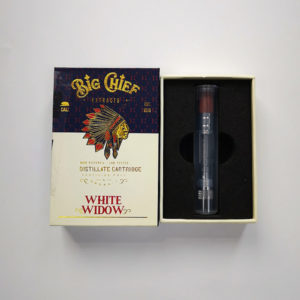
CARTRIDGES
Sale!

CARTRIDGES

HASH
$
70.00
–
$
305.00

CARTRIDGES
$
25.00

CARTRIDGES
$
25.00
Sale!

CARTRIDGES
Browse our categories


our services
free express delivery
When your order is more than $299, you receive FREE express delivery and can look forward to the worlds best medical marijuana and associate products delivered directly to your door
Exquisite Collection
We’re extremely picky about product quality & our collection is constantly being refined & is comprised of the finest buds known to humankind
Top-notch Support
We pride ourselves in providing exceptional support and we’re among the few offering dedicated 24/7 chat support to our valued customers.
How to Verify a Cannabis Vendor's Payment Gateway Security
Australians searching for cannabis products online often run into a confusing mix of vendors, some operating from local warehouses in Sydney or Melbourne, others shipping from overseas with promises of discreet international delivery. With the Therapeutic Goods Administration tightly regulating medical cannabis and recreational use still restricted across most states, buyers regularly depend on digital storefronts to access flower, vapes and concentrates. That dependence makes it critical to understand whether the site processing your card or crypto is actually using a secure payment gateway, or just a front that exposes your financial data to fraud.
Most shoppers in Brisbane, Perth and Adelaide assume that any merchant showing a padlock icon is automatically trustworthy. The reality is far less forgiving. A padlock only proves that the connection between your browser and the server is encrypted, not that the merchant behind the site has any safeguards at all. Learning to read beneath the surface takes a few minutes, and it can save a buyer from having their credit card number resold on dark-web marketplaces months after a single careless order.
Why payment security is a serious concern for Australian cannabis buyers
Australian banks are notoriously strict about transactions coded with cannabis-related merchant category codes. Major institutions, including CBA, ANZ, NAB and Westpac, frequently flag or block payments to overseas dispensaries, which pushes many vendors toward alternative processors, crypto gateways, or smaller acquirers based in Europe and North America. When a payment is routed through an unfamiliar intermediary, the buyer inherits a layer of risk that domestic shopping rarely carries.
There is also the legal dimension. Because personal cannabis imports remain tightly controlled by the Office of Drug Control, many buyers prefer to keep their purchases quiet. A vendor that stores credit card details on a poorly secured server creates a paper trail that can resurface during a chargeback dispute or a data breach notification. Under the Notifiable Data Breaches scheme overseen by the Office of the Australian Information Commissioner, companies are required to disclose breaches that put customer data at risk, but only when they actually detect the intrusion. Many smaller online shops do not have the resources to identify a breach in the first place, leaving Australian customers in the dark about whether their data was ever exposed.
Recognising SSL encryption and padlock indicators
The first line of defence is the transport layer between your device and the vendor's checkout page. A genuine TLS certificate will show https in the address bar along with a padlock symbol, and the certificate should match the domain you are visiting. Clicking on the padlock in browsers like Chrome, Safari or Firefox will reveal who issued the certificate and which company owns the domain. If the certificate was issued for an unrelated business, or if the issuing authority looks unfamiliar, that is a strong reason to close the tab.
Australian shoppers using mobile devices on Telstra, Optus or Vodafone networks should also pay attention to warnings about insecure connections. Browsers often flag pages that contain mixed content, where images or scripts load over plain HTTP while the main page is encrypted. A site that mixes content defeats the purpose of having a certificate in the first place, because attackers can still inject malicious code into the unprotected portions. A clean, fully encrypted checkout that loads every element over HTTPS is the baseline expectation, not an extra bonus feature.
Recognised payment processors and third-party gateways
One of the easiest ways to check if a vendor takes security seriously is to look at which payment gateways they integrate with. Established processors such as Stripe, PayPal, Square, Coinbase Commerce for crypto, and regional providers like POLi for Australian customers all enforce PCI DSS compliance on their merchants. PCI DSS, the Payment Card Industry Data Security Standard, requires vendors to maintain encrypted storage, restrict access to cardholder data, and undergo regular security audits. When you see a checkout page redirect to a familiar processor, you know the card information is going to a system that has been independently audited rather than a homemade script.
Local Australian buyers should be especially cautious of vendors that only accept direct bank transfers, gift cards, or unusual cryptocurrencies routed through anonymous tumblers. These methods strip away the consumer protections built into mainstream gateways. A site that refuses to integrate with a recognised processor is often doing so because it cannot pass the basic vetting those processors require. The cannabis industry's legal status means some legitimate vendors are pushed toward crypto-only models, so the absence of a card option alone is not disqualifying. The presence of even one mainstream processor, alongside a transparent privacy policy, is a much stronger signal.
Privacy policies, data retention and Australian compliance
A trustworthy cannabis vendor should publish a privacy policy that explains what data is collected, how long it is stored, and under what circumstances it is shared with third parties. Under the Privacy Act 1988, any business with an Australian turnover above a certain threshold must comply with the Australian Privacy Principles, which govern how personal information is handled. While many online cannabis vendors fall below that threshold, the best ones voluntarily follow the same standards, because it reassures customers in Adelaide, Hobart and the Gold Coast who care about long-term data hygiene.
Look for specific language about payment data. A solid policy will state that card information is tokenised, meaning the vendor never stores the actual card number on its own servers, only a reference token provided by the payment processor. It should also mention retention periods. If a vendor keeps order history for years and cannot explain why, that is worth questioning. Law enforcement agencies in Australia occasionally request purchase records from companies that operate on the edges of legality, and the less data sitting in a vendor's database, the smaller the blast radius if a breach does occur.
Red flags that suggest an insecure checkout
Beyond missing padlocks and absent privacy policies, several small details can hint at a problematic checkout. Spelling mistakes and inconsistent branding across the payment pages often indicate a hastily assembled template that may not have been security-tested. A checkout that demands your card's CVV, expiry date and full billing address, then displays the information back in plain text on a confirmation page, is a sign that the merchant is storing more data than it should. Genuine processors never echo sensitive card information back to the buyer.
Another warning sign is a vendor that asks for payment outside its own domain entirely, such as directing you to send funds to a personal PayPal account, a cash app handle, or a bank account belonging to an individual rather than a registered business. Australian regulators including AUSTRAC monitor suspicious transactions, and unusual flows can sometimes trigger account freezes for the buyer. If a checkout flow feels improvised, with several redirects that change domain mid-transaction and no clear receipts sent afterwards, treat the experience as a hostile environment for your data and walk away.
Customer reviews and third-party verification
Independent feedback is one of the most reliable ways to gauge whether a vendor's payment infrastructure is holding up in real conditions. Reviews on product pages, on community forums like Reddit's Australian cannabis communities and local Facebook groups, and on watchdog sites often mention experiences with failed transactions, surprise declines, or follow-up fraud. If a pattern emerges where multiple buyers in Melbourne or Perth describe mysterious charges appearing after a purchase, that vendor has a structural security problem regardless of how polished the homepage looks.
Some buyers also use services like Have I Been Pwned, run by Australian security researcher Troy Hunt, to check whether their email address has appeared in known data breaches. Running this check before placing an order, and again a few months afterwards, gives you a way to see whether the vendor leaked your details. Sites that pass a year or more of operation without any breach history, and that respond promptly to customer service questions about their payment setup, are usually safer bets than flashy new storefronts with no track record.
Practical habits that strengthen any cannabis purchase
Building secure habits goes beyond checking a single page for a padlock. A few small choices, repeated every time you check out, dramatically reduce the chance of fraud or unwanted exposure.
- Use a credit card rather than a debit card for online cannabis purchases, since Australian credit cards typically offer stronger chargeback rights under the ePayments Code.
- Enable two-factor authentication on any account that stores payment information, including email accounts used for receipts.
- Consider paying with crypto through a hardware wallet, which removes your bank from the transaction entirely and limits the personal data shared with the vendor.
- Keep the email address used for orders separate from your primary personal account, so a breach on the vendor's side does not cascade into your main inbox.
- Monitor statements weekly through your bank's app, and set up transaction alerts for any charge above a low threshold.
- Check the vendor's reputation on independent forums before sharing any financial information, especially if the company has only been operating for a few months.
These habits are not about paranoia, they are about treating online cannabis shopping with the same care you would apply to any other sensitive online transaction. The difference is that cannabis purchases carry extra legal and social weight in Australia, which means sloppy security has bigger consequences than a leaked streaming password.
Secure payment practices for your next order
The cannabis market in Australia continues to evolve, and so do the tactics used by both legitimate vendors and opportunistic scammers. Before you enter card details on the next site promising cheap flower shipped from overseas, take a moment to confirm the gateway, the certificate and the company behind them. A secure payment gateway is not a luxury feature, it is the absolute minimum for any business asking for your money online. If you want a deeper look at how third-party systems handle sensitive information in unrelated industries, the spin race pokies breakdown offers an interesting parallel.
Choosing vendors that invest in recognised payment infrastructure protects your data, your bank account, and your peace of mind. Treat every cannabis checkout the way you would treat a high-value purchase from any major Australian retailer, with attention, patience and a willingness to walk away when something feels off. The few extra minutes spent verifying a gateway are always worth it compared to the months of cleanup that follow a breach.