No products in the cart.
QUALITY THC PORTAL - BUY QUALITY THC PRODUCTS ONLINE - FAST DELIVERY
Welcome to Quality THC Portal. We are premium suppliers of Quality THC Products. We supply in bulk and small quantities the following products; Package weed , Pre-rolls , Vape cartridges and Marijuana concentrates. We deliver to most countries around the world and delivery is fast and secured. Our website is well encrypted to product all your information we receive to process your orders and also we have a well setup and stable customer service team who are always available to assist you incase of any difficulty while trying to make purchase on our website. We are certain you shall enjoy our services.
Best Selling Products
Sale!


CARTRIDGES
Sale!


CARTRIDGES
Sale!

CARTRIDGES
Sale!

CARTRIDGES

HASH
$
70.00
–
$
305.00

CARTRIDGES
$
25.00

CARTRIDGES
$
25.00
Sale!

CARTRIDGES
Browse our categories


our services
free express delivery
When your order is more than $299, you receive FREE express delivery and can look forward to the worlds best medical marijuana and associate products delivered directly to your door
Exquisite Collection
We’re extremely picky about product quality & our collection is constantly being refined & is comprised of the finest buds known to humankind
Top-notch Support
We pride ourselves in providing exceptional support and we’re among the few offering dedicated 24/7 chat support to our valued customers.
How to Spot Fake Cannabis Packaging Online
Buying cannabis products online requires more than comparing strain names, photographs, and prices. Packaging can look polished while hiding missing compliance information, copied branding, inaccurate potency claims, or products that have been stored poorly. A convincing label is not proof that the contents are genuine.
Counterfeit cannabis packaging may also be used to sell products with unknown ingredients, incorrect cannabinoid levels, or contaminants. Since laws and packaging requirements vary by location, shoppers should confirm that a product and seller operate within the rules that apply to them. Careful evaluation is especially important when purchasing vape cartridges, flower, pre-rolls, hash, live resin, and other concentrates.
The safest approach combines seller research, label inspection, laboratory verification, and sensible skepticism. The checks below can help separate credible product information from packaging designed mainly to create confidence.
Why Authentic Packaging Matters
Legal cannabis packaging is intended to protect consumers and communicate essential product information. Depending on the jurisdiction, a compliant package may identify the producer, product type, net weight, cannabinoid content, batch number, testing information, manufacturing date, and recommended storage conditions. It may also include warnings, child-resistant features, and required symbols.
Fake packaging can imitate the color scheme and logo of a known brand while omitting the details that make a product traceable. A copied box may be filled with an unrelated cartridge or concentrate, making the package appearance almost irrelevant to the actual contents. In other cases, the package may be genuine but reused for a different product.
A trustworthy-looking design should therefore be treated as one clue rather than a final answer. Authenticity comes from consistency: the seller, product description, label, laboratory report, batch information, and physical presentation should support the same story.
Check the Listing Before the Label
Begin with the online listing rather than the product photograph. Look for a complete description that explains the product type, cannabinoid profile, weight or volume, ingredients, testing status, and storage guidance. Vague language such as “premium strength” or “medical grade” has little value without measurable details.
Study the seller’s contact information, policies, and business identity. A professional store should make it reasonably clear how customers can request support, report a problem, and review order or shipping terms. Encrypted checkout and live customer service can be useful, but they do not independently prove that a cannabis product is authentic. Marketing claims should always be assessed alongside product evidence.
Product photos deserve careful attention. Images that show only a logo, a colorful box, or a celebrity-style design provide very little verification. Watch for inconsistent fonts, cropped laboratory details, spelling mistakes, generic stock images, and photos that appear to show several different versions of the same package. For shoppers new to online flower purchases, this beginner flower guide offers useful context on evaluating product descriptions and seller information.
Read the Label Like a Verifier
A legitimate label usually gives specific, checkable information. Examine the product name, strain or cultivar description, cannabinoid percentages, net contents, ingredients, batch or lot number, production date, and testing date where required. For infused products, the label should identify the type and amount of oil, distillate, resin, or other extract used.
Be cautious when the label uses unusually broad claims. Statements such as “100% pure,” “instant medical cure,” or “the strongest available” are warning signs when they are not supported by a detailed certificate of analysis. Extremely high potency figures should also prompt additional scrutiny, especially if they are presented without a testing laboratory, sample number, or testing date.
The visual quality of the label matters, but only in a limited way. Blurry text, uneven printing, mismatched colors, poor alignment, or a damaged tamper seal may indicate repackaging. However, high-quality printing can be purchased by counterfeiters, so a clean appearance cannot compensate for absent product data.
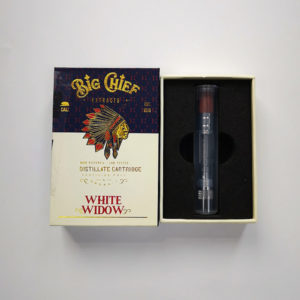
Check whether the package design matches the product category. A flower package should communicate weight and cultivar information, while a cartridge should identify oil volume, ingredients, hardware details, and compatibility information where relevant. A concentrate label that uses generic language but gives no texture, extraction, or storage details deserves extra caution.
Look for Lab and Batch Evidence
A certificate of analysis, often called a COA, can provide valuable information about potency, pesticides, heavy metals, residual solvents, microbial contamination, and other safety measures. The report should identify the tested sample, the laboratory, the testing date, and the corresponding batch or lot number. A QR code may make the report easier to access, but the code itself is not evidence of authenticity.
Open the linked report rather than relying on a badge or scanned graphic. Confirm that the product name and batch number match the listing and package. Check whether the laboratory appears to be a real, independent testing provider and whether the document contains enough detail to be meaningful. A generic PDF reused across multiple products is a significant warning sign.
Testing information should also make sense for the product. A report for live resin, for example, should identify the material as an extract and provide relevant cannabinoid and contaminant results. Consumers who want more background on extract characteristics can review this live resin comparison, while still treating any individual product report as the primary evidence.
Do not assume that a laboratory report guarantees freshness or correct storage. A product can pass testing and later degrade because of heat, light, oxygen, or extended storage. Packaging should therefore include appropriate handling information, and the seller should be able to explain how products are stored before dispatch.
Compare Common Warning Signs
No single irregularity proves that packaging is counterfeit. A slightly different label may reflect a regional version, a redesign, or an updated compliance rule. Several inconsistencies occurring together are much more persuasive and should justify pausing the purchase.
Compare the product page with the label, then compare both with the COA. The name, size, potency range, batch number, and ingredient list should not conflict. Also consider the price: a dramatic discount on a supposedly scarce or high-demand product may indicate an imitation, an old batch, or a product that has not been handled properly.
| Packaging or listing signal | What it may indicate | Sensible response |
|---|---|---|
| Missing batch or lot number | Weak traceability or repackaging | Request traceability details before buying |
| QR code opens a generic homepage | The code may be decorative or reused | Ask for a batch-specific report |
| Potency claim conflicts with the COA | Incorrect listing or questionable test document | Do not rely on the advertised figure |
| Spelling errors and blurry print | Poor copying or unauthorized packaging | Compare with verified brand imagery |
| No ingredient information for a vape | Unknown additives or oil composition | Avoid until the contents are documented |
| Price far below comparable products | Counterfeit, old stock, or misleading offer | Compare with several established sellers |
| Seal appears broken or replaced | Possible tampering or repackaging | Photograph it and pause use |
| Product photos never show required details | Seller may be hiding missing information | Request clear images or choose another listing |
Packaging should also be checked for tamper evidence when the order arrives. A broken seal, leaking cartridge, crushed container, unusual odor, or oil with unexpected discoloration is a reason to stop. Do not taste or inhale a questionable product to determine whether it is genuine.
Build a Safer Purchase Routine
A repeatable process makes it easier to identify suspicious listings before money changes hands. Save screenshots of the product page, advertised potency, batch information, and return policy. These records can help if the listing changes or customer support needs evidence of a discrepancy.
Use the following checks for every online cannabis order:
- Confirm that the product and purchase comply with the laws and age requirements in the destination location.
- Compare the listing, package, and laboratory report for matching names, weights, dates, and batch numbers.
- Check ingredients carefully, especially for vape oils, edibles, and infused concentrates.
- Treat unusually low prices, exaggerated health claims, and pressure to pay immediately as warning signs.
- Keep the packaging and order records until the product has been checked and used safely.
A responsible seller should answer specific questions without becoming evasive. Ask who produced the item, when it was tested, how it was stored, and whether the batch report is available. A response that consists only of reassurance, urgency, or repeated claims of “premium quality” does not resolve the underlying concern.
Customer reviews can add context, but they should not replace verification. Reviews may be incomplete, copied, or based only on delivery speed and appearance. Look for patterns involving label accuracy, product consistency, customer support, and the handling of damaged or mismatched orders.
Act When Something Feels Wrong
If a package appears suspicious, stop using the product and preserve the container, seal, label, and any included documentation. Take clear photographs of the front, back, bottom, batch number, ingredients, and tamper-evident features. Keep the order confirmation and correspondence with the seller.
Contact the seller with a concise description of the mismatch and request a specific explanation or replacement process. If the seller cannot provide credible batch information, refuses to address a safety concern, or pressures you to continue using the product, do not treat the item as verified. Depending on local rules, a consumer protection agency, licensing authority, or public health department may provide an appropriate reporting channel.
Use packaging as the beginning of a verification process, not as proof by itself. Before placing your next order, compare the listing with the label, inspect the testing evidence, and choose products whose origin and contents can be traced. Make that routine part of every purchase through Quality THC Portal or any other cannabis marketplace, and pause the transaction whenever the evidence does not line up.