No products in the cart.
QUALITY THC PORTAL - BUY QUALITY THC PRODUCTS ONLINE - FAST DELIVERY
Welcome to Quality THC Portal. We are premium suppliers of Quality THC Products. We supply in bulk and small quantities the following products; Package weed , Pre-rolls , Vape cartridges and Marijuana concentrates. We deliver to most countries around the world and delivery is fast and secured. Our website is well encrypted to product all your information we receive to process your orders and also we have a well setup and stable customer service team who are always available to assist you incase of any difficulty while trying to make purchase on our website. We are certain you shall enjoy our services.
Best Selling Products
Sale!


CARTRIDGES
Sale!


CARTRIDGES
Sale!

CARTRIDGES
Sale!

CARTRIDGES

HASH
$
70.00
–
$
305.00

CARTRIDGES
$
25.00

CARTRIDGES
$
25.00
Sale!

CARTRIDGES
Browse our categories


our services
free express delivery
When your order is more than $299, you receive FREE express delivery and can look forward to the worlds best medical marijuana and associate products delivered directly to your door
Exquisite Collection
We’re extremely picky about product quality & our collection is constantly being refined & is comprised of the finest buds known to humankind
Top-notch Support
We pride ourselves in providing exceptional support and we’re among the few offering dedicated 24/7 chat support to our valued customers.
A Beginner’s Guide to Safer THC Vape Pen Use
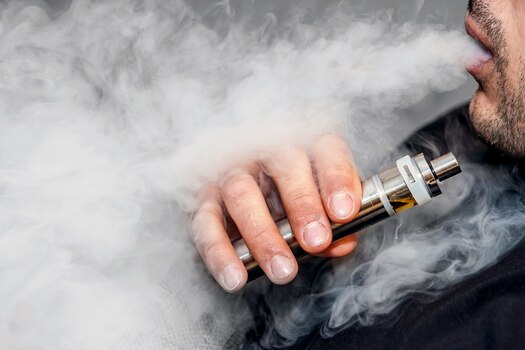
THC vape pens can feel straightforward: a battery heats cannabis oil, and the resulting vapor is inhaled. That simplicity can make them appealing to new consumers, but vaping still requires careful product selection, measured dosing, and attention to how your body responds. THC may affect memory, coordination, reaction time, mood, and judgment, so responsible use begins before the first puff.
How to safely use THC vape pens for beginners depends on several factors, including the cartridge’s ingredients, the device’s settings, your tolerance, and the laws where you live. A small amount can feel very different from one person to another, especially when a cartridge contains a concentrated THC extract.
Choose products from legal, regulated sources whenever possible, and look for clear labeling, batch information, testing details, and ingredient lists. Quality THC Portal’s THC product selection can help shoppers review available formats, but every buyer should independently confirm local rules and product information before ordering or using cannabis.
Choose A Tested Vape Product
Start with the cartridge or disposable vape rather than the battery. A reputable product should identify the THC concentration, volume of oil, manufacturer, batch number, ingredients, and recommended storage conditions. In regulated markets, a scannable certificate of analysis may show testing for potency, pesticides, solvents, heavy metals, and microbial contamination.
Avoid unlabeled cartridges, products with unusually vague packaging, and oils that make unsupported health claims. Black-market vape products may contain cutting agents or contaminants that are not disclosed. The 2019 outbreak of vaping-related lung injuries demonstrated why the source and ingredients of inhaled products matter, especially when oil contains unapproved additives.
Look closely at the oil before using it. Color alone does not prove quality, but leaking oil, damaged packaging, visible debris, separated layers, or an unusual chemical smell are reasons to stop and contact the seller. Do not use a cartridge that appears tampered with or has a cracked mouthpiece.
Learn How The Device Works
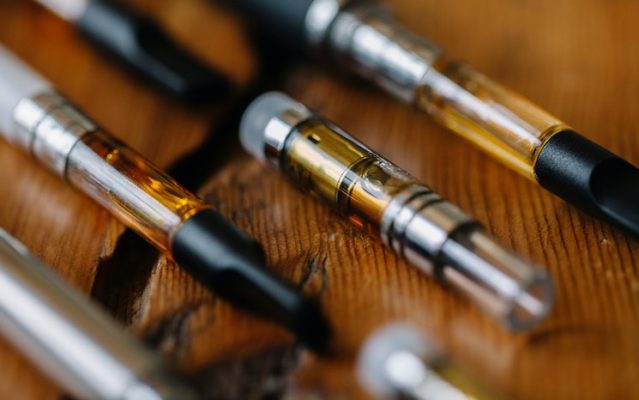
A vape pen normally includes a rechargeable battery, a heating element, and a cartridge or chamber containing cannabis oil. Some devices activate when you inhale, while others use a button. Read the manufacturer’s instructions before connecting a cartridge, charging the battery, or changing temperature settings.
Use the charger supplied or recommended for that device. Mismatched chargers, damaged cables, and unattended charging can create fire or battery hazards. Keep the battery away from excessive heat, water, direct sunlight, and metal objects such as loose keys or coins. Stop using it if it becomes swollen, unusually hot, cracked, or produces a burnt smell.
Temperature settings can change the amount and character of vapor. High heat may make inhalation harsher and can burn oil or damage the coil. When a device offers adjustable voltage, begin with the lowest setting recommended for the cartridge. Do not repeatedly press the button without inhaling, since this can overheat the coil and produce an unpleasant burnt hit.
| Device or product sign | What it may indicate | Safer response |
|---|---|---|
| Clear label and batch details | Better traceability | Check testing information and ingredients |
| Leaking cartridge | Seal or hardware failure | Do not use; store upright and contact the seller |
| Burnt taste | Overheating or an empty coil | Stop, allow it to cool, and inspect the oil level |
| Battery swelling or heat | Possible battery damage | Disconnect it and follow local battery-disposal guidance |
| Missing ingredients | Unclear contents | Choose a product with complete labeling |
| Strong coughing or chest discomfort | Irritation or an adverse reaction | Stop vaping and seek medical advice if symptoms persist |
Begin With A Small Amount
THC vape oil is often concentrated, and inhaled cannabis can take effect faster than edible products. Even so, the full experience may continue to develop after the first inhalation. A beginner should avoid taking several large puffs close together simply because the first one feels mild.
Take one short, gentle draw, then put the device down. Wait at least 10 to 15 minutes before deciding whether to use more. Some people may feel effects sooner, while others need longer. The goal is to find the smallest amount that produces the desired experience without significant impairment.
Avoid combining THC with alcohol, sedatives, or other intoxicating substances. Mixing products can increase dizziness, impaired coordination, drowsiness, confusion, or nausea. If you take prescription medication or have a medical condition, discuss cannabis use with a qualified healthcare professional, since THC can affect people differently and may interact with certain medicines.
Do not drive, cycle in traffic, operate machinery, supervise children, or make important decisions after using THC. The feeling of being “fine” is not a reliable measure of reaction time or judgment. Arrange a comfortable, familiar place where you can remain for the duration of the effects.
Use A Gentle Inhalation Technique
Before inhaling, check that the mouthpiece is clear and that the cartridge is firmly attached without being forced. Sit down if you are uncertain how you will react. Press the button, if the device has one, and draw slowly for a short period. Avoid forceful inhalation, since a deep pull can deliver more vapor than intended and may trigger coughing.
Do not hold vapor in your lungs. Holding your breath does not meaningfully improve THC absorption and can increase discomfort, coughing, or lightheadedness. Exhale normally and take a break. If the vapor tastes burnt, metallic, or unusually harsh, stop using the device rather than trying to compensate with a stronger inhale.
Coughing can happen even with a properly made cartridge, particularly when the vapor is warm or the user inhales too quickly. Move to fresh air, sip water, and rest. Persistent cough, chest pain, shortness of breath, severe wheezing, or difficulty breathing requires prompt medical attention.
Keep the pen upright when possible, especially during storage. Oil can move into the mouthpiece or leak through seals if a cartridge is left on its side in a warm place. Wipe the mouthpiece with a clean, dry material when needed, and never share it, since sharing transfers germs and makes it harder to track how much THC each person consumes.
Recognize Effects And Warning Signs
Common THC effects can include relaxation, altered time perception, increased appetite, dry mouth, red eyes, drowsiness, and changes in attention. Less comfortable effects may include anxiety, racing thoughts, dizziness, nausea, paranoia, or a fast heartbeat. New users may be more sensitive, and high-potency distillates can feel intense even after a small puff.
If you feel overwhelmed, stop using THC and move to a quiet, familiar environment. Sit or lie down, breathe slowly, drink water, and avoid taking more cannabis or other substances. A trusted sober person can provide reassurance and help monitor you. Do not attempt to counteract the effects with alcohol or unverified remedies.
Seek urgent medical help for trouble breathing, chest pain, fainting, seizure, severe confusion, persistent vomiting, extreme agitation, or symptoms that rapidly worsen. Keep the product package available for healthcare professionals so they can identify the ingredients and potency.
Vaping should also be reconsidered if it repeatedly causes headaches, throat irritation, nausea, or breathing discomfort. A symptom may have another cause, but recurring problems deserve professional evaluation. Cannabis use is especially inappropriate for people who are pregnant or breastfeeding, and adolescents should avoid THC because the developing brain is more vulnerable to its effects.
Store And Maintain The Pen Carefully
Store cartridges and batteries in a cool, dry location away from sunlight and heat. A locked container is preferable when children, teenagers, visitors, or pets could access the product. THC oils and devices should remain in their original packaging when possible, with labels intact so potency and ingredients are not forgotten.
Do not leave a vape pen in a car, near a radiator, or on a windowsill. Heat can thin the oil, increase leakage, and stress the battery. Cold conditions can also affect performance, so allow a chilled cartridge to return to room temperature naturally rather than heating it with a flame or other external source.
Inspect the cartridge before each use and dispose of it according to local waste rules when it is empty or damaged. Do not refill a disposable vape, modify the battery, puncture the cartridge, or attempt to repair a sealed device. Rechargeable batteries and electronic components may require special recycling arrangements.
Record the product name, potency, date used, and approximate number of puffs if you are trying to understand your response. A simple note can reveal whether a particular strength causes unwanted effects and helps prevent accidental overuse. Tolerance can change over time, so a dose that once seemed familiar may feel stronger after a break.
Practical Habits For Safer Sessions
Responsible vaping is easier when the surroundings and timing support good decisions. Use THC only when you have no driving or work obligations, keep water nearby, and avoid using it when you are already exhausted, upset, or unwell. Take breaks between sessions instead of allowing frequent vaping to become automatic.
The following habits can reduce common risks:
- Verify the product label, ingredients, potency, and testing information before opening it.
- Start with one short inhalation and wait 10 to 15 minutes before considering more.
- Use the lowest suitable heat setting and stop if the vapor tastes burnt or unusually harsh.
- Keep THC, cartridges, and batteries locked away from children, pets, and anyone who should not use them.
- Never mix THC with alcohol or other intoxicants, and never drive after vaping.
Pay attention to patterns rather than focusing only on a single session. Needing increasingly larger amounts, vaping throughout the day, using despite repeated problems, or feeling unable to cut back may indicate problematic use. A doctor, pharmacist, or substance-use counselor can provide confidential support without requiring you to manage the concern alone.
THC vape pens can offer a fast-acting and portable cannabis format, but convenience should not replace caution. Select a traceable product, learn the device, use a minimal amount, wait for the effects, and treat any unusual symptom seriously. Store everything securely and follow the regulations that apply in your location.
Review product information carefully through a reputable retailer, keep safety at the center of every session, and consult a healthcare professional when medication, pregnancy, respiratory symptoms, or ongoing side effects are involved. Responsible choices make it easier to understand your response and avoid preventable risks.