No products in the cart.
QUALITY THC PORTAL - BUY QUALITY THC PRODUCTS ONLINE - FAST DELIVERY
Welcome to Quality THC Portal. We are premium suppliers of Quality THC Products. We supply in bulk and small quantities the following products; Package weed , Pre-rolls , Vape cartridges and Marijuana concentrates. We deliver to most countries around the world and delivery is fast and secured. Our website is well encrypted to product all your information we receive to process your orders and also we have a well setup and stable customer service team who are always available to assist you incase of any difficulty while trying to make purchase on our website. We are certain you shall enjoy our services.
Best Selling Products
Sale!


CARTRIDGES
Sale!


CARTRIDGES
Sale!

CARTRIDGES
Sale!

CARTRIDGES

HASH
$
70.00
–
$
305.00

CARTRIDGES
$
25.00

CARTRIDGES
$
25.00
Sale!

CARTRIDGES
Browse our categories


our services
free express delivery
When your order is more than $299, you receive FREE express delivery and can look forward to the worlds best medical marijuana and associate products delivered directly to your door
Exquisite Collection
We’re extremely picky about product quality & our collection is constantly being refined & is comprised of the finest buds known to humankind
Top-notch Support
We pride ourselves in providing exceptional support and we’re among the few offering dedicated 24/7 chat support to our valued customers.
How to safely dispose of old or expired THC concentrates in Australia
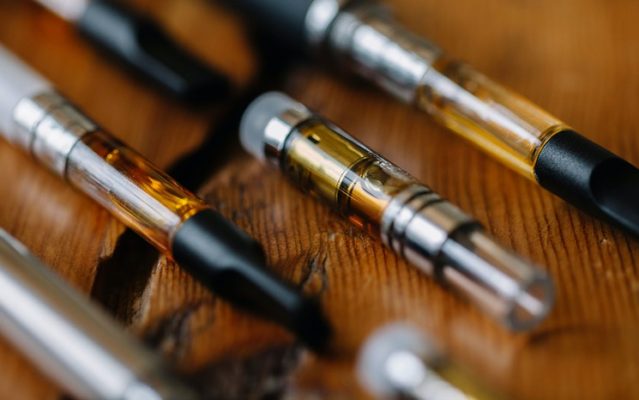
Old vape cartridges, wax, rosin, live resin, hash and distillate can remain in drawers long after they should have been used. Their labels may say expired, their seals may leak, or their contents may have changed in smell, colour or consistency. None of those signs proves a product is dangerous, but age, moisture, poor storage and unknown sourcing can reduce quality and make handling less predictable.
Safe disposal is also a legal responsibility. Medicinal cannabis is supplied through regulated channels, while recreational possession and supply remain restricted across most of Australia. Keep old concentrates in their original child-resistant packaging, away from children, pets, food and heat, until you identify a lawful way to hand them over. Never send them through the post or pour them into household wastewater.
Why expired THC concentrates need a controlled disposal plan
Concentrates do not always have a fixed expiry date. The maker may specify a period after opening, while storage conditions affect how quickly volatile compounds fade, resin becomes unstable or a cartridge seal fails. Discolouration, a strange odour, separation, stickiness or an obviously damaged container are warning signs. Visual inspection cannot establish purity, potency or microbial safety, so an old or suspect product should not be used merely because it looks normal.
Improper storage creates further risks. Heat can make glass cartridges crack or loosen seals, and damp conditions can encourage mould in poorly sealed plant material. A leaking concentrate can be reached by a child or pet and can contaminate a bench, bag or rubbish bin. Keep every container closed, upright if the producer recommends it, and in a locked cupboard until disposal is arranged.
An online catalogue such as Quality THC Portal may list cartridges and other concentrates, but an international-delivery claim does not establish that an Australian customer may lawfully import them. Australian Border Force can detain unapproved or misdeclared cannabis products, and personal import is not a general workaround for controlled medicines. Check the lawful medicinal supply route before buying; an otherwise ordinary-looking parcel can still create legal and safety problems.
Check legal return options before disposing
Cannabis law in Australia is divided between therapeutic and non-medical use. The Therapeutic Goods Administration assesses medicinal products, generally listed in the Australian Register of Therapeutic Goods, while state and territory laws govern possession, supply and public use. Most non-medical cannabis remains illegal. The ACT has limited adult-use rules, but concentrates may be treated differently from cannabis flower, so do not assume a flower allowance applies to resin, hash or distillate.
For medicine obtained through a prescription, contact the clinic, approved dispensary or product sponsor that supplied it. Ask whether unopened, unused or expired stock can be returned for safe destruction. A pharmacist may not accept returns because of medicine-handling rules, but the prescriber or manufacturer can often direct you to an authorised process. Never resell it, give it to another person or place it in an ordinary parcel.
Material bought from an illicit seller has no reliable return channel. Do not transfer it interstate or post it through Australia Post or a courier, because mailing cannabis is prohibited and transfer can create additional offences. If legal ownership is unclear, seek confidential advice from a community legal centre, the local health service or a drug-harm service before arranging transport. Keep it secured while you seek that advice.
Keep concentrates out of drains and general waste
Never pour concentrate into a sink, toilet, shower, stormwater gutter or outdoor soil. Resin can block pipes, coat sewer infrastructure and expose aquatic life and pets. Runoff from Australian cities can reach waterways such as Sydney Harbour, Port Phillip Bay and the Swan River, so a kitchen-sized bottle can become an environmental problem rather than disappearing down the drain.
Check with the relevant council before placing sealed concentrate in household rubbish. General waste rules differ across local government areas in Sydney, Melbourne, Brisbane, Perth, Adelaide and other cities. If a council confirms that sealed non-recoverable cannabis waste is accepted, double-bag it, keep it in the original child-resistant container and label the outer bag as directed. If no route is confirmed, retain it securely while you contact a specialist service.
Do not hide it in food waste, recycling, leaf mulch or a home compost system. Never burn, cook, vaporise or otherwise consume the material to make it disappear. Strong solvents may dissolve sticky residue, but pouring them into drains, mixing chemicals or using heat can create toxic fumes, fire risk and another disposal problem. Secure temporary storage is safer than an improvised cleanup.
Handle spills, cartridges and exposure safely
For a small external leak, restrict access, remove ignition sources and work in a ventilated area away from children and animals. Wear nitrile gloves, use disposable paper to lift oily residue and place the paper and cartridge in a sealed container. Do not use a vacuum cleaner, which can spread droplets or fine particles. Label the container as cannabis concentrate and ask the council or supplying service how it must be presented.
Do not use a consumer Portuguese Mask as protection from concentrate vapour; it is not appropriate respiratory protective equipment. For minor external handling, gloves and eye protection reduce contact with oil, while ventilation controls odour. If the container is hot, hissing, severely damaged or beyond simple containment, move people and pets away and contact a fire service or the council for specialist direction without opening it further.
If a person or pet may have swallowed concentrate, keep the original package so the quantity and product details are available. Drowsiness, confusion, poor balance, vomiting, agitation, a fast heartbeat or breathing difficulty can indicate toxicity. Call Poison Information Centre on 13 11 26 for advice, or 000 immediately for severe symptoms, a child who is difficult to wake, breathing trouble or a life-threatening collapse. Do not induce vomiting.
Work with councils and local services
Local councils are the best starting point when no medical return route exists. Ask the waste or environmental team whether it accepts sealed cannabis concentrates, refers them to a licensed contractor, or can direct you to a drug-harm disposal program. Be clear that the material is THC concentrate and is sealed; do not carry an open container to the depot. Acceptance policies vary, and a service labelled hazardous waste may still not accept a controlled substance.
Keep an appointment or written instruction before travelling. A pharmacy or dispensary may arrange manufacturer-led take-back, and some local programs hold periodic collection events. These services may ask for proof of lawful supply or may not operate in every area. Do not leave cannabis at a pharmacy counter, community centre or council office unless the organisation has explicitly agreed to accept it.
Anyone holding a larger quantity should obtain professional disposal advice rather than moving it between containers or vehicles. Commercial transport can require manifests, approved storage and licensed waste handlers, particularly across state borders. For a single household item, council guidance and authorised collection are more realistic. Healthdirect on 1800 022 222 can also direct people to appropriate local health and drug services.
Reduce future waste with simple storage habits
Good storage prevents the need for disposal. Keep products in their original opaque, child-resistant packaging, away from sunlight, heaters, kitchens and open containers. Follow the maker’s storage directions; do not assume a refrigerator is always suitable, because condensation and temperature changes can damage some cartridges. During Melbourne’s summer heat or Sydney’s humid coastal weather, a stable indoor cupboard is safer than a shed, car or exposed windowsill.
Use a written inventory for medicinal products and review it regularly. Record the product, batch, date opened, expiry guidance and supplier, then ask the supplier about returns before quality deteriorates. Purchase only through the lawful Australian pathway and verify relevant TGA listings. Small quantities reduce the chance that a product becomes unwanted before it is used.
- Keep every product in its original child-resistant, sealed packaging, even after opening.
- Set a calendar reminder to check stock and expiry guidance before products deteriorate.
- Ask the dispensing clinic or manufacturer about return arrangements as soon as expiry approaches.
- Confirm that a product is lawfully supplied for Australia and listed in the ARTG where relevant.
- Store items in a cool, dry, dark cupboard, following the producer’s temperature instructions.
- Buy small quantities and review the inventory before placing another order.
A simple plan prevents panic disposal: one person checks the stock, one secure storage area holds it, and one authorised contact handles returns. If an item has already leaked or is unstable, stop opening it and use the spill guidance above.
Take a responsible disposal step today
Choose one definite next step. List every old cartridge, jar or wrap, then place it in one locked, labelled container with the supplier details intact. For prescribed medicine, call the dispensing clinic or manufacturer first. For non-prescribed or unclear material, call your council’s waste team and ask for a lawful take-back or licensed-disposal route before moving it anywhere.
Keep a written record of who accepted the material and when. If anyone has been exposed, seek poison advice immediately rather than waiting for the disposal appointment. Make the call, arrange the return and keep the concentrate locked away until it is in an authorised disposal pathway; that is the fastest way to protect your household and stay on the right side of Australian law.