No products in the cart.
QUALITY THC PORTAL - BUY QUALITY THC PRODUCTS ONLINE - FAST DELIVERY
Welcome to Quality THC Portal. We are premium suppliers of Quality THC Products. We supply in bulk and small quantities the following products; Package weed , Pre-rolls , Vape cartridges and Marijuana concentrates. We deliver to most countries around the world and delivery is fast and secured. Our website is well encrypted to product all your information we receive to process your orders and also we have a well setup and stable customer service team who are always available to assist you incase of any difficulty while trying to make purchase on our website. We are certain you shall enjoy our services.
Best Selling Products
Sale!


CARTRIDGES
Sale!


CARTRIDGES
Sale!

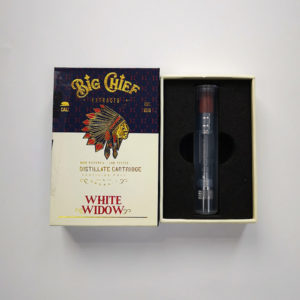
CARTRIDGES
Sale!

CARTRIDGES

HASH
$
70.00
–
$
305.00

CARTRIDGES
$
25.00

CARTRIDGES
$
25.00
Sale!

CARTRIDGES
Browse our categories


our services
free express delivery
When your order is more than $299, you receive FREE express delivery and can look forward to the worlds best medical marijuana and associate products delivered directly to your door
Exquisite Collection
We’re extremely picky about product quality & our collection is constantly being refined & is comprised of the finest buds known to humankind
Top-notch Support
We pride ourselves in providing exceptional support and we’re among the few offering dedicated 24/7 chat support to our valued customers.
Spotting Mold and Mildew on Cannabis Buds Before Buying
Before paying for dried cannabis, inspect the product and its packaging as carefully as you would inspect any other purchase. Buds can carry powdery mildew, grey mould, or other fungal contamination hidden inside a dense flower. A visually attractive jar can still contain moisture-related problems, and sealed packaging does not prove that its contents were handled correctly.
Recognition becomes harder because resinous trichomes naturally create a pale, frosted appearance. Mild moisture can also make buds look unusually fresh. Good lighting, close photographs, and knowledge of the seller’s storage conditions therefore matter more than a quick glance at a marketing image. If anything looks fuzzy, damp, discoloured, or inconsistently textured, treat it as a reason to pause.
This guide explains how to recognise mould or mildew on cannabis buds before buying without pretending that appearance alone can guarantee laboratory safety. It also covers the Australian legal and customs checks that should come before product selection. Never taste, smoke, or vape suspect material to test it.
Recognise healthy frost from fungal growth
Healthy trichomes usually look like tiny, clear or amber glass beads distributed across the leaf surface. They reflect light evenly and give a flower a uniform sparkle. Powdery mildew looks different: it forms irregular white or grey patches with a matte, flour-like coating. The growth may sit between dense calyxes rather than covering the entire surface evenly.
Botrytis, commonly called grey mould, is another important warning sign. It can produce cottony white fibres in the centre of a bud before turning grey, brown, or black. Affected flowers may become compressed, wet-looking, or slimy as the fungus takes hold. A faint web-like area, especially beside discoloured tissue, should not be mistaken for normal trichome development.
Inspect the buds in neutral light
Use bright, neutral daylight or a clean white light source. Warm-coloured lamps can make yellow leaves appear healthier or hide pale fungal patches. Hold sealed packages at different angles so light reaches the sides and bottom of each container. Magnification is helpful, but a phone camera in good light can reveal gaps, fibres, and uneven surfaces that are difficult to see across a shelf.
Where a lawful supplier permits inspection of loose product, gently separate a few outer leaves without crushing the flower. Look into the interior rather than judging only the exposed surface. Dampness at the centre, unexpected leaf fragments, or a sticky residue can indicate poor drying or storage. Avoid excessive handling because moisture from warm hands can also damage a good flower and makes later assessment less reliable.
Use smell and handling as supporting clues
A musty, damp-cardboard, sour, or old-warehouse odour can support a mould concern. Healthy cured cannabis usually has a defined plant aroma, although experienced buyers should not rely on scent alone. Mould can be buried inside a bud and produce little noticeable odour at first, while strong fragrances may mask it. Never use burning or vaping as a way to identify contamination.
Texture provides another clue. A sound flower should feel dry and lightweight, with leaves that remain somewhat flexible rather than snapping immediately. Wet, compressed, unusually sticky, or crumbling material suggests moisture, curing problems, or microbial growth. These signs do not prove mould, but they justify asking for more information before completing a purchase.
Check the Australian legal and customs context
Australian cannabis rules are not the same as those in the countries where many international sellers operate. A general legal recreational retail market does not exist, and adult possession rules differ between jurisdictions, including the Australian Capital Territory. Medicinal cannabis is generally accessed through a prescription, an authorised dispensary, or another approved supply pathway. Sydney and Canberra have visible medicinal dispensary sectors, while access in Melbourne, Brisbane, Perth, and Adelaide is more prescription-led.
Products from an approved source should have Australian labelling, tamper-evident packaging where required, and traceable batch information. Buyers can also ask whether the product is listed in the Australian Register of Therapeutic Goods and whether the seller or sponsor is authorised to supply it. The exact rules depend on the product and intended use, so current guidance from the TGA and the relevant state or territory authority should be checked.
Visual differences provide a practical comparison before buying:
| Visible clue | Healthy explanation | Warning sign and response |
|---|---|---|
| Fine, even frost | Clear resinous trichomes catching the light | Uniform sparkle is usually normal; patchy matte growth is not |
| White powder in small patches | No healthy equivalent | Possible powdery mildew; do not purchase |
| Cottony fibres between leaves | Normal cannabis does not produce true webbing | Possible early Botrytis; reject the flower |
| Grey, green, or black spots | Minor shade variation can occur | Spots that look furry, sunken, or spreading are a strong rejection sign |
| Damp or sticky interior | Resin can feel slightly tacky | Wetness, slime, or unusually heavy density suggests contamination risk |
| Musty or sour smell | Aroma varies by strain and curing method | Persistent damp or sour odours can indicate microbial problems |
International delivery advertised by an online shop does not override Australian law. When assessing listings on Quality THC Portal, confirm that the product, quantity, destination, and intended use are lawful before paying. Australian Customs can inspect and detain non-compliant shipments, while the TGA controls access to medicinal cannabis products. Personal import is not a general workaround for ordinary recreational purchasing.
Account for flower, pre-rolls and other formats
Loose flower offers the best opportunity for inspection, but dense buds can still conceal the centre. Pre-rolls present a different challenge because most of the material remains hidden by paper. Examine the open end, visible leaf around the filter, and any loose material in the container. Avoid products with a swollen, damp, or misshapen roll, because moisture can become trapped inside.
Hash, live resin, vape cartridges, and other concentrates should not be judged by the same surface signs used for flower. Oil can be naturally glossy or coloured, while trichome-rich extracts may have a crystalline texture. Nevertheless, unusual sediment, condensation, clumping, or packaging damage can indicate handling or storage problems. For any format, ask about batch-level testing and the conditions under which the product was packed and stored.
Use a buyer’s screening checklist
Before checkout, gather consistent evidence rather than relying on a single attractive image:
- Request recent, unedited photographs of the exact batch under neutral lighting.
- Inspect the container, seals, labels, and every visible edge of the product.
- Reject flowers showing fuzzy patches, cottony fibres, slime, or spreading grey spots.
- Ask for harvest, packaging, batch, and storage details, including any available test information.
- Confirm that the supplier and proposed purchase route are lawful for your location and purpose.
- Keep screenshots, receipts, and packaging details if the product arrives damaged or contaminated.
These checks are most effective when completed before payment. A seller willing to provide batch photographs, clear labels, and storage information is demonstrating a traceability process. A seller that discourages questions, offers only heavily edited imagery, or dismisses a contamination concern may be applying the same pressure to other buyers.
Make the final check before checkout
Check the listing one last time on a separate screen and compare it with the photographs provided by customer support. If the seller offers 24/7 chat, use it to request close images of the product’s centre, packaging seals, and batch label. For lawful medicinal purchases, verify the dispensing pharmacy, sponsor, or approved supply route as well.
Use the available product information and live chat to complete those final checks, then order only through a lawful Australian channel. Walk away from any listing that cannot answer basic questions about identity, storage, batch, and contamination risk.