No products in the cart.
QUALITY THC PORTAL - BUY QUALITY THC PRODUCTS ONLINE - FAST DELIVERY
Welcome to Quality THC Portal. We are premium suppliers of Quality THC Products. We supply in bulk and small quantities the following products; Package weed , Pre-rolls , Vape cartridges and Marijuana concentrates. We deliver to most countries around the world and delivery is fast and secured. Our website is well encrypted to product all your information we receive to process your orders and also we have a well setup and stable customer service team who are always available to assist you incase of any difficulty while trying to make purchase on our website. We are certain you shall enjoy our services.
Best Selling Products
Sale!


CARTRIDGES
Sale!


CARTRIDGES
Sale!

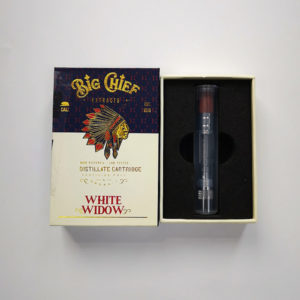
CARTRIDGES
Sale!

CARTRIDGES

HASH
$
70.00
–
$
305.00

CARTRIDGES
$
25.00

CARTRIDGES
$
25.00
Sale!

CARTRIDGES
Browse our categories


our services
free express delivery
When your order is more than $299, you receive FREE express delivery and can look forward to the worlds best medical marijuana and associate products delivered directly to your door
Exquisite Collection
We’re extremely picky about product quality & our collection is constantly being refined & is comprised of the finest buds known to humankind
Top-notch Support
We pride ourselves in providing exceptional support and we’re among the few offering dedicated 24/7 chat support to our valued customers.
A Practical Guide To Cannabis Lab Reports And COAs
Cannabis lab results can look like dense technical paperwork, but they are designed to answer a few practical questions: what is in the product, how potent is it, and whether it contains unwanted contaminants? A Certificate of Analysis (COA) records the findings from an independent laboratory and gives buyers a clearer basis for comparing flower, vape cartridges, hash, live resin, and other extracts.
For Australian consumers, reading a COA requires extra care. Recreational cannabis remains illegal under federal law, while medicinal cannabis is regulated through the Therapeutic Goods Administration and supplied through authorised pathways. State and territory rules also differ, so an online product description is not proof that a purchase, import, possession, or delivery is lawful in your location.
A reliable report should match the exact product and batch being sold. It should identify the sample, show when it was tested, name the laboratory, and explain the methods used. A polished image with a few impressive cannabinoid percentages is not enough if the document cannot be verified or is several years old.
The same basic reading skills apply whether you are comparing a small pack in Melbourne, discussing medicinal options with a doctor in Brisbane, or checking a product marketed for delivery to Perth. Treat the COA as evidence to examine, not as a marketing badge. It can reduce uncertainty, although it cannot replace legal advice or guidance from a qualified health professional.
What A Certificate Of Analysis Actually Shows
A COA is a laboratory report for a particular sample. It usually includes a product name, batch or lot number, sample received date, test date, laboratory identity, testing methods, and results. Some reports also include photographs, a laboratory accreditation number, a QR code, or a signature from the reviewing analyst.
The most useful feature is the connection between the report and the product in front of you. The batch number printed on the package should correspond with the batch number on the certificate. If a seller displays one generic report for an entire product range, you cannot assume that every batch has the same potency or safety profile.
Laboratories may use different reporting conventions. One might show “pass” or “fail”, while another lists a numerical result alongside a permitted limit. Learn the meaning of abbreviations such as LOQ, LOD, ND, and CFU. “ND” commonly means not detected, while “below LOQ” means the substance may be present at a level too low for accurate quantification; neither phrase automatically means absolute zero.
Checking The Laboratory And Sample Details
Start at the top of the document and confirm who performed the testing. A credible laboratory should provide a real business identity, contact details, and information about its scope of testing. Accreditation to a recognised standard, such as ISO/IEC 17025, is a useful sign because it relates to laboratory competence and quality systems.
Look for dates as well as names. A report created long before the current batch was packaged may have limited value, particularly for oils, vape liquids, and live resin, where storage conditions can affect composition. A recent report is preferable, but freshness alone does not make a certificate trustworthy if the sample identity is vague.
The sample matrix matters too. A report for dried flower cannot automatically validate a cartridge made with a different extraction process. Concentrates may require testing for residual solvents, while edibles may need different checks for homogeneity and microbial safety. The certificate should clearly identify whether the sample was flower, oil, resin, hash, a pre-roll, or another preparation.
Reading Cannabinoid Potency Without Getting Misled
Cannabinoid results commonly list THC, THCA, CBD, CBDA, CBN, CBG, and sometimes minor cannabinoids. For raw flower, much of the potential THC may be present as THCA, which can convert to THC when heated. Some reports provide a “total THC” figure that combines measured THC with estimated THC generated from THCA.
That calculation is an estimate rather than a promise of the exact effect a person will experience. The formula generally allows for the loss of mass during decarboxylation, so the stated total may differ from simply adding the two percentages. If the report does not explain how total THC was calculated, treat the number cautiously.
Pay attention to units. Potency may be shown as a percentage by weight, milligrams per gram, or milligrams per package. A figure of 20% THC in flower roughly indicates 200 milligrams of THC per gram before considering combustion losses and actual use. A cartridge labelled with 800 mg of total cannabinoids is a different measurement from an 80% THC result, particularly if terpenes and other ingredients make up the remainder.
A very high number deserves scrutiny rather than automatic approval. Extraction and testing methods can produce different results, and some sellers highlight the highest value from a range instead of the batch-specific result. Compare the reported cannabinoids with the product description and check whether the certificate lists a tolerance range.
Looking For Contaminants And Safety Tests
Safety testing is often more important than a dramatic potency figure. Cannabis plants can accumulate pesticides, heavy metals, and other environmental contaminants. Poorly processed extracts may contain residual solvents, while improperly stored products can develop mould, yeast, or bacterial contamination.
The report should state whether the product passed relevant screening panels. For flower, useful checks can include aerobic bacteria, yeast and mould, mycotoxins, pesticides, and heavy metals. For vape cartridges and concentrates, residual solvent testing is especially relevant. A certificate that covers cannabinoids but says nothing about contaminants gives only a partial picture.
Review the actual panel rather than relying on a single green “pass” symbol. The laboratory should identify the substances tested and the action limits applied. “No pesticides detected” is meaningful only when you know which pesticides were included and the detection capability of the method.
Australia’s regulated medicinal cannabis market places strong emphasis on quality, consistency, and manufacturing controls, but products encountered through informal channels may not have equivalent oversight. A certificate supplied by a seller does not turn an unapproved product into a lawful one, and it does not remove risks associated with unknown storage, transport, or formulation.
A Quick COA Screening Checklist
Use this short review before relying on a certificate:
- Match the product name, batch number, format, and package size to the item being considered.
- Check the laboratory identity, accreditation information, report date, and sample date.
- Confirm that cannabinoid units are clear and that total THC calculations are explained.
- Look for contaminant panels covering pesticides, heavy metals, microbes, and residual solvents where relevant.
- Check whether the report is complete, legible, signed, and available through a verifiable source.
A QR code can be convenient, but it should lead to a report that matches the printed information. Be cautious if the code redirects to a general homepage, an unconnected product, or a document with inconsistent batch details. Screenshots are easier to alter than records hosted through a traceable laboratory portal.
If you are comparing material from an online retailer, read its educational pages separately from its sales claims. A site such as Quality THC Portal may discuss cartridges, flower, extracts, and ordering features, but product descriptions still need to be checked against batch-specific laboratory evidence and Australian legal requirements.
Understanding Terpenes And Minor Cannabinoids
Terpenes are aromatic compounds that contribute to the smell and flavour of cannabis. Common examples include myrcene, limonene, caryophyllene, pinene, and linalool. A terpene profile can help explain why two products with similar THC levels smell different, but it does not prove a particular medical effect.
Look at whether the report lists individual terpenes or only a total terpene percentage. Individual results are more informative because they show the relative profile. Some products may lose volatile terpenes during extraction, heating, or storage, so a report made soon after production may not reflect the aroma months later.
Minor cannabinoids can provide useful context, especially in products marketed as balanced or CBD-rich. However, small quantities may sit near the laboratory’s reporting threshold. A value that appears as a trace amount should not be treated as a guaranteed therapeutic concentration.
Marketing language often goes beyond what a COA can establish. Terms such as “full spectrum”, “broad spectrum”, “clean”, and “premium” need supporting definitions. A full-spectrum label should be consistent with the listed cannabinoid and terpene profile, while “clean” should be backed by actual contaminant testing.
Red Flags In Online Certificates
A certificate deserves closer inspection when the file has no laboratory name, no report date, no sample identification, or no testing method. Other warning signs include identical results across unrelated batches, implausibly precise numbers, spelling errors in technical sections, and a product image that does not match the sample description.
Be wary of reports showing only potency. A vape cartridge can display an impressive THC percentage while leaving residual solvents, heavy metals, pesticides, and additives unaddressed. The report should suit the product type and reflect the risks introduced by cultivation, extraction, formulation, packaging, and storage.
A seller that refuses to provide a batch number or gives vague answers about laboratory verification is offering limited transparency. Keep written records of the certificate, product label, and purchase details if you are legally able to buy the product. If something goes wrong, those records can help identify the batch and communicate with the supplier.
Cannabis buyers sometimes encounter gambling-style promotions, countdown offers, or exaggerated claims designed to create urgency. Separate those sales tactics from technical evidence; even an explanation of multiplier mechanics has no bearing on whether a cannabis batch passed microbial or solvent testing. A sound purchasing decision should rest on verifiable product information, not pressure to act quickly.
Applying COA Information In Australia
Australian consumers should first establish whether the product is permitted under the relevant law. Medicinal cannabis generally involves an authorised prescriber and an approved supply pathway. Recreational use is not broadly legal, and rules around possession, cultivation, driving, workplace testing, and personal imports can vary between jurisdictions such as New South Wales, Victoria, Queensland, Western Australia, and the Australian Capital Territory.
Do not assume that “international delivery” means customs clearance is guaranteed. Border controls, import permits, prescription requirements, and prohibited substances can apply. A COA may help describe what a product contains, but it is not an import permit, prescription, approval from the TGA, or defence against a possession charge.
Driving is another local concern. In several Australian jurisdictions, roadside drug testing can detect THC even when a person does not feel impaired. Avoid driving or operating machinery after using cannabis, and obtain specific medical and legal advice if you are prescribed medicinal cannabis and need to manage work or transport obligations.
Use laboratory results as one part of a broader safety decision. Confirm the legal pathway, discuss medicinal use with a doctor or pharmacist, follow labelled storage instructions, and be cautious with inhaled products or unknown additives. When a certificate is incomplete, mismatched, or impossible to verify, the safest interpretation is that the product’s quality remains uncertain.
A COA becomes useful when you read it critically: identify the batch, assess the laboratory, interpret units, examine safety panels, and compare the results with the product claims. Those steps can help you recognise meaningful evidence and avoid mistaking a glossy document for genuine quality assurance. Before purchasing, importing, possessing, or using any cannabis product in Australia, verify the current rules for your state or territory and seek advice from an authorised health professional or appropriate regulator.