No products in the cart.
QUALITY THC PORTAL - BUY QUALITY THC PRODUCTS ONLINE - FAST DELIVERY
Welcome to Quality THC Portal. We are premium suppliers of Quality THC Products. We supply in bulk and small quantities the following products; Package weed , Pre-rolls , Vape cartridges and Marijuana concentrates. We deliver to most countries around the world and delivery is fast and secured. Our website is well encrypted to product all your information we receive to process your orders and also we have a well setup and stable customer service team who are always available to assist you incase of any difficulty while trying to make purchase on our website. We are certain you shall enjoy our services.
Best Selling Products
Sale!


CARTRIDGES
Sale!


CARTRIDGES
Sale!

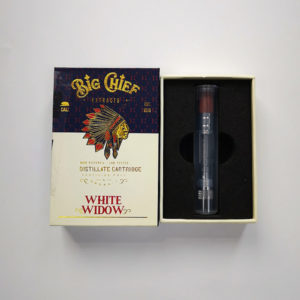
CARTRIDGES
Sale!

CARTRIDGES

HASH
$
70.00
–
$
305.00

CARTRIDGES
$
25.00

CARTRIDGES
$
25.00
Sale!

CARTRIDGES
Browse our categories


our services
free express delivery
When your order is more than $299, you receive FREE express delivery and can look forward to the worlds best medical marijuana and associate products delivered directly to your door
Exquisite Collection
We’re extremely picky about product quality & our collection is constantly being refined & is comprised of the finest buds known to humankind
Top-notch Support
We pride ourselves in providing exceptional support and we’re among the few offering dedicated 24/7 chat support to our valued customers.
How to Read a Lab Report for THC Products
A lab report, often called a certificate of analysis or COA, is one of the most useful documents for evaluating cannabis products. It provides test results for a specific sample and can show the amount of THC, CBD, other cannabinoids, terpenes, and potential contaminants. Learning to read the document helps you compare products using evidence rather than packaging claims.
A COA does not make a product automatically safe, legal, or suitable for every person. It is a snapshot of one tested batch, and its value depends on the laboratory, testing methods, sample identification, and reporting date. The product label, package code, and laboratory document should all refer to the same batch.
When reviewing products from an online retailer, begin with the available product details and then look for a batch-specific report. The Quality THC Portal can serve as a starting point for comparing product categories, but independent lab documentation remains essential when assessing potency and quality.
Start With The Certificate Details
The first section to inspect is the report header. Look for the laboratory’s legal name, address, contact information, accreditation or licensing details, report number, test date, sample received date, and the name of the company that submitted the sample. A professional COA should identify the product clearly rather than presenting only a generic laboratory logo.
Find the product name, matrix, or sample type. “Flower,” “vape oil,” “hash,” “live resin,” and “edible” require different testing approaches, so the sample description should match what you intend to buy. A report labeled for flower should not be used to validate a cartridge, even if both products carry a similar brand name.
Batch information is equally important. Check the lot number, batch code, production date, and expiration or best-by date when available. The code on the report should match the code on the packaging. If the document has no batch identifier, it may be a general marketing file rather than evidence about the particular item in your order.
Pay attention to the report status. Terms such as “pass,” “detected,” “not detected,” “action limit,” and “LOQ” have specific meanings. The limit of quantitation, or LOQ, is the lowest level the lab can reliably measure under its method. “Not detected” generally means the substance was below that reporting threshold, not necessarily that it was absolutely absent.
Read The Cannabinoid Profile Carefully
The cannabinoid section usually reports THC and THCA, along with CBD, CBDA, CBG, CBC, and other compounds when present. Raw cannabis flower often contains substantial THCA and comparatively little delta-9 THC before heating. Decarboxylation converts THCA into THC during smoking, vaporization, or cooking, which explains why a report can show two separate values.
Some COAs include a calculated total THC figure. A common formula is:
Total THC = delta-9 THC + (THCA × 0.877)
The 0.877 factor accounts for the molecular weight difference that occurs when THCA loses carbon dioxide during conversion. The exact calculation may vary by jurisdiction or laboratory, so use the value printed on the report when one is provided. For concentrates and vape oils, the active THC percentage may be much higher than the percentage found in flower.
Compare the measurement units before drawing conclusions. Results may appear as a percentage by weight, milligrams per gram, or milligrams per serving. One percent equals approximately 10 milligrams per gram, while a cartridge may report total cannabinoid content in milligrams for the entire device. A product with 80% THC does not mean every inhalation delivers a fixed amount, because draw length, device temperature, airflow, and oil distribution affect intake.
A high potency number is not automatically a quality score. Very strong extracts can feel overwhelming, especially for people with low tolerance. A complete profile that includes minor cannabinoids may provide more useful information than a single headline THC percentage. Products with unexpectedly high potency should be checked for plausible extraction results, consistent batch records, and supporting contaminant screens.
Understand Terpenes And Product Identity
Terpenes are aromatic compounds that contribute to the scent and flavor of cannabis. A terpene panel may list limonene, myrcene, beta-caryophyllene, pinene, linalool, humulene, and other compounds. Results are often shown as percentages or milligrams per gram. The dominant terpenes can help explain why two products with similar THC levels have different aromas and sensory characteristics.
Terpene results should be interpreted as descriptive information rather than a guarantee of a particular experience. Claims that one terpene profile will produce a precise medical or psychological effect are usually more certain than the evidence allows. Storage also matters: heat, light, oxygen, and time can reduce volatile compounds after testing.
For extracts, compare the cannabinoid and terpene profile with the product description. A live resin or live rosin report may show a broader terpene presence than a highly refined distillate, although processing and storage can change that profile. Added terpenes should be disclosed where applicable, especially in vape cartridges. Cannabis-derived and botanical terpenes are not interchangeable from a labeling perspective.
Look for consistency between the product’s advertised identity and its COA. If a strain is promoted as especially aromatic but the terpene panel is missing, that is useful information in itself. A missing panel does not prove that the product is poor, but it limits what can be independently verified.
Check The Safety And Contaminant Panels
A thorough laboratory report should address more than potency. Common safety screens include pesticides, heavy metals, microbial contamination, mycotoxins, residual solvents, and foreign matter. Vape products may also require additional evaluation of ingredients, diluents, and hardware-related risks, depending on the jurisdiction and testing program.
For pesticides, check whether the report lists individual compounds and their results or simply states “pass.” A detailed panel is easier to assess because it shows which substances were tested and the relevant action limits. The same principle applies to heavy metals such as lead, arsenic, cadmium, and mercury.
Residual-solvent testing is especially relevant to extracts made with hydrocarbon or ethanol processes. A report may list butane, propane, ethanol, heptane, benzene, or other solvents, depending on the method used. “Not detected” should be read alongside the LOQ and regulatory limit. A result below the laboratory’s reporting threshold is different from a demonstrated zero concentration.
Microbial and mycotoxin results matter for flower, hash, and other minimally processed products. Look for yeast and mold, total aerobic bacteria, coliforms, and specific pathogens where required. A clean appearance or pleasant smell cannot replace microbiological testing. Products used through inhalation deserve particular caution because the lungs are exposed directly to the vapor or smoke.
Compare Reports Without Being Misled
Reports from different laboratories may use different instruments, sample preparation methods, units, and reporting conventions. High-performance liquid chromatography, or HPLC, is commonly used for cannabinoid analysis because it can measure acidic cannabinoids without heating them. Gas chromatography may alter or combine certain compounds during the process. The method should be identified somewhere in the document.
Sampling can influence results. Cannabis products are not always perfectly uniform, particularly flower, hash, and thick extracts. A laboratory tests the submitted portion rather than every unit manufactured. A report from one batch should therefore be treated as evidence about that batch, not as a permanent guarantee for all future production.
Use the comparison below as a quick guide when reviewing common sections of a COA:
| COA Section | What It Tells You | What To Verify |
|---|---|---|
| Sample identity | Which product and format were tested | Product name, matrix, and batch code |
| Cannabinoid profile | THC, THCA, CBD, and minor cannabinoids | Units, total THC calculation, plausible values |
| Terpene panel | Aromatic compounds and relative abundance | Testing method, listed compounds, product consistency |
| Pesticides and heavy metals | Potential chemical contamination | Individual results, action limits, pass status |
| Microbial and mycotoxin screen | Biological contamination risks | Test coverage, limits, sample type |
| Residual solvents | Solvents left from extraction | Solvents tested, LOQ, regulatory thresholds |
| Laboratory details | Who tested the sample and when | Accreditation, report number, dates, signatures |
A polished PDF is not proof of reliable testing. Search for signs that the report was altered, such as inconsistent fonts, missing pages, mismatched dates, or numbers that do not align across summary and detailed sections. A QR code should lead to a verifiable report or laboratory portal, not merely to a product page with promotional copy.
Spot Red Flags Before Buying
One warning sign is a report that contains only THC potency and no safety testing. Another is a COA that applies to an entire brand catalog instead of a named batch. If the retailer or manufacturer cannot connect the report to the package code, the document has limited value.
Be cautious with extraordinary claims. Numbers above the expected range for a product type deserve a closer look, particularly when a flower product claims an unusually high THC percentage without a full cannabinoid breakdown. A result may be technically possible, incorrectly transcribed, or based on a sample that does not represent the retail item.
Date matters as well. An old report may still describe a real batch, but it cannot verify current inventory. This is especially important for products affected by oxidation, evaporation, or changing formulations. Vape cartridges, live extracts, and terpene-rich concentrates should have clear batch records and suitable storage information.
A missing COA is not necessarily evidence of contamination, but it is a reason to pause. Responsible sellers should make test documents reasonably accessible and provide a way to clarify discrepancies. Customer support can answer logistical questions, yet laboratory data should come from a named testing facility rather than an informal assurance.
Use A Simple Buying Checklist
Before relying on a lab report, take a few minutes to compare the document with the product listing and package information. The goal is to verify identity, interpret the numbers correctly, and confirm that relevant safety screens are present.
- Match the product name, format, batch code, and expiration information across the label and COA.
- Confirm that THC, THCA, CBD, and other cannabinoid values include clear units and a stated calculation method.
- Review pesticide, heavy-metal, microbial, mycotoxin, and residual-solvent results when applicable.
- Check the laboratory name, report date, testing method, accreditation details, and report number.
- Treat “pass” as a result within stated limits, not as a guarantee of zero risk or a promise of a particular experience.
Keep a copy of the report for products you purchase, particularly when buying concentrates or cartridges. If the product causes an unexpected reaction, the batch code and COA can provide useful information for contacting the seller, laboratory, or relevant authority. Do not use a report as a substitute for following local laws, package instructions, or professional health advice.
A careful review also helps with responsible dosing decisions. Potency results indicate the concentration in the sample, not exactly how much an individual will absorb. People respond differently to THC, and effects may be influenced by tolerance, body chemistry, medications, alcohol, and route of administration. Avoid driving or operating machinery after using intoxicating cannabis products.
A lab report becomes most useful when treated as one part of a broader quality check. Verify the batch, examine the methods, read the safety panels, and distinguish measured facts from marketing language. When a document is incomplete or inconsistent, choose transparency over an impressive potency claim.
Open the COA before placing an order, match it to the product batch, and save the report with your purchase records. That simple habit makes it easier to compare THC flower, pre-rolls, hash, live resin, and vape products with greater confidence and care.