No products in the cart.
QUALITY THC PORTAL - BUY QUALITY THC PRODUCTS ONLINE - FAST DELIVERY
Welcome to Quality THC Portal. We are premium suppliers of Quality THC Products. We supply in bulk and small quantities the following products; Package weed , Pre-rolls , Vape cartridges and Marijuana concentrates. We deliver to most countries around the world and delivery is fast and secured. Our website is well encrypted to product all your information we receive to process your orders and also we have a well setup and stable customer service team who are always available to assist you incase of any difficulty while trying to make purchase on our website. We are certain you shall enjoy our services.
Best Selling Products
Sale!


CARTRIDGES
Sale!


CARTRIDGES
Sale!

CARTRIDGES
Sale!

CARTRIDGES

HASH
$
70.00
–
$
305.00

CARTRIDGES
$
25.00

CARTRIDGES
$
25.00
Sale!

CARTRIDGES
Browse our categories


our services
free express delivery
When your order is more than $299, you receive FREE express delivery and can look forward to the worlds best medical marijuana and associate products delivered directly to your door
Exquisite Collection
We’re extremely picky about product quality & our collection is constantly being refined & is comprised of the finest buds known to humankind
Top-notch Support
We pride ourselves in providing exceptional support and we’re among the few offering dedicated 24/7 chat support to our valued customers.
Reading THC Lab Reports With Confidence
A cannabis lab report turns a product label into a more detailed evidence record. It can show the concentration of THC and other cannabinoids, identify the testing method, and flag contaminants that may affect safety. Learning to read these results is useful whether you are comparing flower, vape cartridges, hash, live resin, or another extract.
For Australians, this information needs to be considered alongside local law and product access. Medicinal cannabis is available through authorised pathways and a prescription, while recreational cannabis remains prohibited under federal law, with limited differences in how states and territories handle possession and enforcement. A certificate of analysis cannot make an otherwise unlawful product legal, and it cannot replace advice from a qualified medical professional.
What A Certificate Of Analysis Shows
A certificate of analysis, commonly called a COA, is a laboratory document linked to a particular cannabis batch. It should identify the product name, batch or lot number, sample date, testing date, laboratory, and reporting method. The most important first check is whether the batch number on the report matches the package in front of you.
A credible report normally names an independent laboratory and provides accreditation or quality credentials. In Australia, terms such as NATA accreditation may be relevant, although overseas products may be tested under different systems. Accreditation does not guarantee that every product is suitable for every person; it indicates that the laboratory follows recognised procedures for particular tests.
Look for a clear report date rather than relying on a general statement that products are “lab tested”. Cannabis can change during storage, and a report from an unrelated batch tells you little about the item being considered. A QR code can be convenient, but it should lead to a complete document rather than a marketing page with only selected figures.
Understanding Potency And Cannabinoid Figures
THC potency may appear as a percentage, milligrams per gram, or total milligrams per package. For dried flower, 20% THC roughly indicates 200 milligrams of THC per gram of flower before accounting for losses, moisture, and the limits of laboratory measurement. It does not mean that 20% of every inhaled dose enters the bloodstream.
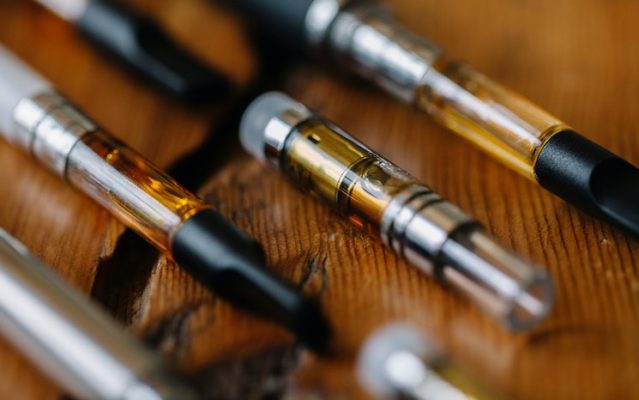
Concentrates and vape oils can use a different presentation. A cartridge may list THC as a percentage by weight, while a package may state total THC in milligrams. If a 1-gram cartridge contains 75% THC by weight, the stated amount is approximately 750 milligrams of THC in the oil, not necessarily 750 milligrams delivered during use. Heating, device settings, airflow, and leftover oil all influence actual exposure.
Some reports distinguish between THC and THCA. THCA is the acidic precursor found in raw flower, and heat can convert part of it into THC. A common estimated total THC calculation is:
Total THC = THC + (THCA × 0.877)
This is an estimate rather than a promise of final delivered potency. Also check CBD, CBG, CBC, and other listed cannabinoids if they matter to the intended use. A “total cannabinoids” figure may include acidic forms, so it should not be treated as equivalent to active THC.
| Report Detail | What It Tells You | What It Does Not Tell You |
|---|---|---|
| THC percentage | Approximate concentration by weight | The amount absorbed by the body |
| Total THC per package | Potential cannabinoid quantity in the entire item | A recommended personal dose |
| THCA level | Amount of the acidic precursor | Exact conversion after heating |
| CBD percentage | Approximate CBD concentration | Whether the product will feel non-intoxicating |
| Batch number | Whether the report matches the product | Whether a different batch has the same results |
| Test date | When the sample was analysed | How the product was stored afterward |
| Laboratory method | How the result was measured | That all laboratories use identical limits |
Checking Contaminants And Quality Markers
Potency is only one part of a safety review. A broad cannabis screening panel may include residual solvents, pesticides, heavy metals, microbial contamination, mycotoxins, and foreign material. Vape products may also require attention to ingredients, thinning agents, flavour compounds, and hardware-related risks.
For residual solvents, the report should state which compounds were tested and whether results were below a defined limit of detection or limit of quantification. “Pass” is less informative when the report does not show the panel or threshold. The same principle applies to pesticides and heavy metals: a credible document identifies the analytes and reports either measured values or a clear non-detect result.
Microbial results deserve particular attention for flower and products that may be inhaled. Look for yeast and mould, total aerobic microbial count, and pathogens such as certain species of bacteria. A negative result applies to the submitted sample, not automatically to every item made in the facility. Poor storage in a hot, humid environment can also change a product after testing.
For oils and cartridges, inspect the ingredient list as carefully as the cannabinoid profile. A COA may confirm potency without confirming every material in a cartridge. Unusual thinning agents, undisclosed flavour additives, damaged seals, leaking hardware, or a burnt taste are reasons to stop using the product and seek professional advice.
Applying The Information In Australia
Australian consumers often navigate a market shaped by prescription access, pharmacy supply, imported products, and strict advertising controls. Someone in Sydney, Melbourne, Brisbane, Perth, or Adelaide may encounter different practical access pathways, but the legal position is not determined by a product’s overseas label or by a seller’s shipping claim. Check current guidance from the Therapeutic Goods Administration and the relevant state or territory authority.
Driving is a significant everyday concern. THC can remain detectable after impairment has reduced, and roadside drug-testing rules differ in operation across jurisdictions. In several Australian states and territories, medicinal cannabis patients may still face legal risks when THC is detected while driving. A lab report showing a low concentration does not establish that driving is safe or lawful.
Storage and transport also matter. Australian heat can be intense, particularly in a car, parcel locker, or non-air-conditioned room. Excessive heat and light may degrade cannabinoids and affect vape oil consistency. Keep products in their original packaging, away from children and pets, and follow any pharmacy or prescriber instructions. A marketplace such as Quality THC Portal may describe testing, product categories, or shipping, but those claims should be checked against the actual batch documentation and Australian requirements.
Consumers comparing information across online retailers may also see different terminology for certificates, extracts, and potency. A general cannabis testing guide can help explain industry language, but it should not be treated as Australian medical, legal, or regulatory advice. The source, date, and jurisdiction behind any claim remain important.
A Practical Review Routine
A repeatable process helps prevent attractive potency figures from overshadowing missing safety information. Start with the package and its batch code, then compare every relevant identifier with the laboratory document. If the seller provides only a cropped screenshot, an undated graphic, or a result without the laboratory name, the evidence is incomplete.
Check these details first:
- Match the batch or lot number on the package with the COA.
- Confirm the report includes a testing date and sample identification.
- Identify whether THC is listed as a percentage, milligrams per gram, or total package content.
- Check whether THCA is reported separately from active THC.
- Review the laboratory name, method, accreditation, and reporting limits.
- Confirm that the contaminant panel covers the product type being assessed.
A result marked “ND” usually means “not detected”, but it does not mean the substance could never be present. The laboratory may simply have found it below a stated detection limit. Compare that limit with the applicable standard when one is available, and be cautious if the report uses “pass” without showing what was measured.
Treat these signs as reasons for caution:
- The batch number is missing or does not match the item.
- Potency is advertised without a complete cannabinoid analysis.
- Contaminant results are absent, cropped, or shown without thresholds.
- The report belongs to a different product, harvest, or production date.
- The laboratory cannot be identified or its credentials are unclear.
- The packaging is leaking, damaged, unusually hot, or poorly sealed.
Reading a report does not require advanced chemistry, but it does require attention to scope. A certificate describes the tested sample under laboratory conditions; it does not predict a person’s response, establish a safe starting amount, or confirm that a product is legal to possess. People who use prescribed cannabis should follow their clinician’s directions rather than adjusting treatment based on a percentage alone.
When a report raises doubts, keep the packaging and documentation, avoid using the product, and contact the supplier or dispensing pharmacy. For unwanted effects such as severe anxiety, chest pain, confusion, fainting, or trouble breathing, seek urgent medical help. Product information is useful when it supports careful decisions, but professional advice is the right source for health concerns.
Use the batch number, cannabinoid figures, contaminant results, and laboratory credentials as a single picture rather than judging a product by THC strength alone. Before purchasing or using any cannabis item in Australia, verify the current legal pathway, preserve its original documentation, and speak with an authorised healthcare professional when medical use is involved.