No products in the cart.
QUALITY THC PORTAL - BUY QUALITY THC PRODUCTS ONLINE - FAST DELIVERY
Welcome to Quality THC Portal. We are premium suppliers of Quality THC Products. We supply in bulk and small quantities the following products; Package weed , Pre-rolls , Vape cartridges and Marijuana concentrates. We deliver to most countries around the world and delivery is fast and secured. Our website is well encrypted to product all your information we receive to process your orders and also we have a well setup and stable customer service team who are always available to assist you incase of any difficulty while trying to make purchase on our website. We are certain you shall enjoy our services.
Best Selling Products
Sale!


CARTRIDGES
Sale!


CARTRIDGES
Sale!

CARTRIDGES
Sale!

CARTRIDGES

HASH
$
70.00
–
$
305.00

CARTRIDGES
$
25.00

CARTRIDGES
$
25.00
Sale!

CARTRIDGES
Browse our categories


our services
free express delivery
When your order is more than $299, you receive FREE express delivery and can look forward to the worlds best medical marijuana and associate products delivered directly to your door
Exquisite Collection
We’re extremely picky about product quality & our collection is constantly being refined & is comprised of the finest buds known to humankind
Top-notch Support
We pride ourselves in providing exceptional support and we’re among the few offering dedicated 24/7 chat support to our valued customers.
Pairing Cannabis Concentrates With The Right Vape Battery
A vape battery is more than a power source. Its thread pattern, voltage range, airflow design, and heating technology all affect how a cannabis concentrate tastes, vaporises, and feels during use. A compatible setup can deliver smooth vapour and consistent performance, while a mismatched one may produce burnt oil, weak draws, leaks, or a blocked cartridge.
For Australian consumers, choosing hardware also requires attention to local laws and product standards. Recreational THC remains prohibited under Australian law, while medicinal cannabis is available through authorised medical pathways. Rules and enforcement can differ between states and territories, so hardware guidance should never be treated as permission to buy, possess, or import restricted products.
The term “concentrate” covers several formats. Distillate and terpene-rich vape oil are commonly filled into cartridges, while thicker live resin, rosin, or high-viscosity extracts may require a dedicated concentrate device. A battery designed for a standard 510 cartridge may not be suitable for a wax atomiser or a refillable chamber.
Battery selection should therefore begin with the concentrate format and the atomiser, rather than with appearance or maximum power. The most useful features are reliable threading, adjustable output, preheat control, USB-C charging, and safety protections that prevent overheating or accidental activation.
Choosing A Concentrate And Battery Pair
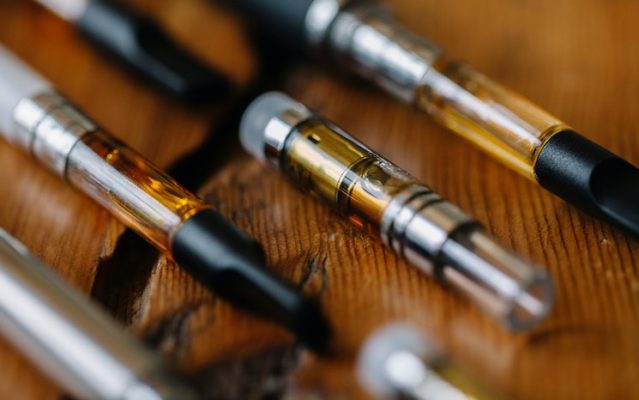
The first distinction is between cartridge oil and solid or semi-solid concentrate. A pre-filled cartridge usually contains a relatively fluid extract held behind a ceramic or wick-based heating element. It generally works with a low-power 510 battery that heats the coil gradually.
Live resin, rosin, wax, and crumble are often thicker and may need a chamber-style vaporiser with a quartz, ceramic, or metal atomiser. These devices heat the concentrate directly rather than drawing it through a cartridge wick. Using thick material in a standard oil cartridge can restrict flow and cause dry hits.
Threading is another basic compatibility point. The widely used 510 connection has a male thread on the cartridge and a matching female connector on the battery. Proprietary pods use a magnetic or keyed connection instead. A 510 battery will not automatically fit a pod cartridge, and forcing an adapter into place may damage the contact pin.
When comparing products from an online catalogue, check the concentrate description, device compatibility, and technical specifications together. A retailer such as Quality THC Portal may list several extract formats, but the battery still needs to match the cartridge or atomiser supplied with the product.
Understanding Cartridge Hardware
Cartridge construction influences the ideal power level. Ceramic cartridges often handle thicker oils and can provide an even heating surface, while wick-based cartridges may require gentler settings to avoid scorching the material. Some cartridges use dual or multiple ceramic cores, which can produce larger vapour but may drain the battery faster.
Look for a secure mouthpiece, a visible oil reservoir, and a connector that sits straight on the battery. A loose connection can create intermittent firing, while a recessed or dirty contact may make the device appear faulty. Disposable devices usually have limited controls, so their heating profile is set by the manufacturer.
A variable-voltage battery offers more flexibility than a fixed-output pen. It can be adjusted for different cartridge resistances and oil thicknesses, although a higher setting is not automatically better. The goal is steady vaporisation at the lowest effective output.
Battery capacity is measured in milliamp-hours, or mAh. A larger capacity can support more sessions between charges, but it may also make the device heavier. For discreet use in Melbourne or Sydney, a slim pen may be more practical; for home use, a larger battery with a clear display can make adjustments easier.
Matching Viscosity To Temperature
Thin distillate generally flows readily and can work well at a low or medium setting. Thicker oils need more warmth to move through the inlet holes, particularly in cooler conditions. In Hobart or Canberra during winter, a cartridge may become more viscous than it would in warmer Brisbane weather.
Temperature should rise gradually. If the vapour tastes burnt, the cartridge becomes unusually hot, or the oil darkens rapidly, the setting may be too high. Frequent long draws can create the same problem even when the nominal voltage appears safe.
Terpene-rich extracts benefit from moderate heat because excessive temperature can flatten their flavour profile. Low-temperature vaporisation usually produces lighter vapour and preserves more aroma, while high-temperature use produces denser clouds with a greater risk of harshness.
Signs Of A Suitable Setting
A compatible pairing usually shows the following characteristics:
- The draw is clear without repeated button presses
- Vapour is present but does not feel excessively hot
- The oil moves slowly toward the heating element
- Flavour remains recognisable across several short sessions
- The cartridge does not leak, crack, or become very hot
If the device produces little vapour, increase the output only in small steps and allow the cartridge to rest between draws. A blocked mouthpiece, empty reservoir, poor contact, or depleted battery can mimic a temperature problem, so inspect those issues first.
Voltage, Wattage, And Temperature Control
Some batteries display voltage, while others use wattage or preset temperature levels. Voltage describes electrical potential, whereas wattage reflects the power delivered to the coil. The correct setting depends on the coil’s resistance, so the same voltage can behave differently across two cartridges.
Variable-voltage pens often provide a useful low range for oil cartridges. Begin at the lowest recommended level printed by the manufacturer, then increase slightly if the draw is too light. Avoid guessing from colour-coded lights alone because colour conventions vary between brands.
Temperature-controlled devices use a sensor and a selected temperature to regulate the coil more precisely. They can reduce the chance of overheating, although the result still depends on the sensor location, cartridge design, and quality of the concentrate. A display does not guarantee accurate temperature control.
Preheat mode is useful for loosening thick oil after storage, but it should be used briefly. Repeated preheating can flood the coil, waste concentrate, and create leakage into the central airway. After preheating, take a short, gentle draw rather than a long pull.
A Practical Pairing Method
Start by identifying the format: cartridge oil, pod oil, or chamber-ready concentrate. Next, confirm the connector type and read the atomiser’s recommended voltage or wattage. If those details are missing, select a conservative, low-output setting and avoid experimenting with maximum power.
Attach the cartridge without overtightening. It should sit firmly while the airflow holes remain unobstructed. Take a short test draw, then wait several seconds before taking another. This pause allows the coil to re-saturate and gives you a better sense of whether the setting is appropriate.
Customer feedback can reveal recurring issues such as leaking cartridges, unreliable charging ports, or inaccurate battery displays. When researching unfamiliar sellers, examine customer reviews critically and look for specific comments about hardware performance rather than relying on star ratings alone.
A Simple Pairing Checklist
Use this sequence before operating a new setup:
- Confirm 510, pod, or proprietary connector compatibility
- Check the recommended voltage, wattage, or temperature range
- Begin at the lowest usable setting
- Test with short draws and pauses between them
- Stop if the device tastes burnt, leaks, or overheats
The pairing process should be repeatable. If one cartridge performs well at a particular setting, record the battery level and device type for future reference. Concentrates from different batches can still behave differently because viscosity, terpene content, and fill quality are not always identical.
Australian Safety And Legal Considerations
In Australia, THC products are generally restricted to regulated medicinal use, with access typically requiring an authorised prescriber and supply through approved channels. Recreational possession and use remain unlawful, and state or territory rules can affect penalties, driving restrictions, and personal cultivation. Western Australia, New South Wales, Victoria, Queensland, South Australia, Tasmania, and the territories do not operate under one identical cannabis framework.
Importing THC cartridges, concentrates, or filled vape hardware can create serious legal and biosecurity risks. International delivery claims on a website do not override Australian border controls. Consumers should verify the product’s legal status, prescription requirements, and supply route before placing an order.
Vaping also has practical public considerations. Many Australian venues, workplaces, transport areas, and hospitality spaces apply smoke-free or vape-free rules. Carrying a battery loose in a bag can cause accidental activation, particularly when travelling on public transport in Perth or taking domestic flights between major cities.
Safe Battery Habits
Follow these basic precautions with any rechargeable vape battery:
- Use the supplied or manufacturer-approved charging cable
- Charge on a stable, non-flammable surface
- Keep the battery away from coins, keys, water, and direct sun
- Stop using it if the casing swells, cracks, or becomes unusually hot
- Do not leave it charging unattended or overnight
Lithium-ion batteries can be damaged by heat. A device left in a parked car in Adelaide or Darwin may reach unsafe temperatures, even if it appears to be functioning normally. Allow hardware to cool before charging, and follow airline rules when carrying batteries during travel.
Storage, Cleaning, And Troubleshooting
Store cartridges upright in a cool, dark place with the mouthpiece capped where possible. Excessive heat can thin the oil and encourage leaks, while cold storage can make the concentrate too thick to vaporise smoothly. Avoid refrigerators unless the manufacturer specifically recommends them, because condensation may affect the contacts and oil consistency.
Clean the battery contact with a dry cotton swab. Do not pour alcohol into the connector or immerse the device in liquid. For a chamber vaporiser, remove residue only according to the manufacturer’s instructions, since some coils are replaceable and others can be permanently damaged by scraping.
Common problems have simple causes. No response may indicate a flat battery, poor contact, or incompatible connection. Blinking lights may signal a short circuit or cartridge fault. Gurgling can result from flooded airflow, while a burnt taste often points to excessive heat or an under-saturated coil.
If the problem persists, stop using the device rather than repeatedly increasing power. A damaged cartridge or battery is not worth salvaging, particularly when the device becomes hot, emits an unusual smell, or shows physical damage.
Choose hardware according to the extract, confirm the connection, begin with low heat, and treat battery care as part of the vaping experience. For Australian consumers, add a careful check of prescription, state, transport, and import rules before acquiring any THC product. A compatible setup should feel controlled and predictable, never hot, forced, or improvised.
Review the specifications of your cartridge and battery before use, follow the manufacturer’s instructions, and seek advice from an authorised Australian medical cannabis provider or qualified retailer where appropriate.