No products in the cart.
QUALITY THC PORTAL - BUY QUALITY THC PRODUCTS ONLINE - FAST DELIVERY
Welcome to Quality THC Portal. We are premium suppliers of Quality THC Products. We supply in bulk and small quantities the following products; Package weed , Pre-rolls , Vape cartridges and Marijuana concentrates. We deliver to most countries around the world and delivery is fast and secured. Our website is well encrypted to product all your information we receive to process your orders and also we have a well setup and stable customer service team who are always available to assist you incase of any difficulty while trying to make purchase on our website. We are certain you shall enjoy our services.
Best Selling Products
Sale!


CARTRIDGES
Sale!

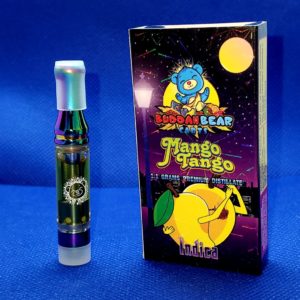
CARTRIDGES
Sale!

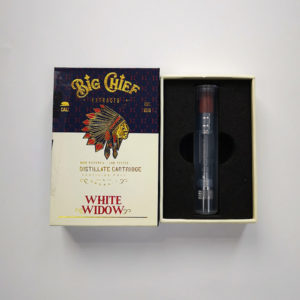
CARTRIDGES
Sale!

CARTRIDGES

HASH
$
70.00
–
$
305.00

CARTRIDGES
$
25.00

CARTRIDGES
$
25.00
Sale!

CARTRIDGES
Browse our categories


our services
free express delivery
When your order is more than $299, you receive FREE express delivery and can look forward to the worlds best medical marijuana and associate products delivered directly to your door
Exquisite Collection
We’re extremely picky about product quality & our collection is constantly being refined & is comprised of the finest buds known to humankind
Top-notch Support
We pride ourselves in providing exceptional support and we’re among the few offering dedicated 24/7 chat support to our valued customers.
How to Identify Quality Hash by Colour and Texture
Hash is a concentrated cannabis product made from separated trichomes, and its appearance can reveal useful clues about freshness, processing and storage. Colour and texture are helpful starting points, but neither feature proves potency, purity or safety on its own. A convincing assessment combines visual inspection with aroma, packaging details and independent laboratory information.
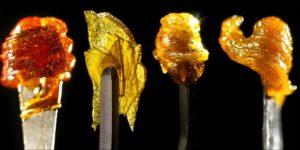
Good hash can range from pale golden or sandy brown to olive, reddish brown and very dark brown. The right appearance depends on the cannabis variety, the age of the material, the extraction or sieving method, and how much heat and pressure were used. A darker piece is not automatically stronger, while a soft, pale sample is not automatically cleaner.
Australian buyers also need to consider legality and supply-chain risk. Recreational cannabis remains illegal under Australian federal law, with different rules and limited personal-use provisions in places such as the ACT. Medicinal cannabis is generally supplied through authorised medical pathways and pharmacies, so an attractive online listing should never replace checking lawful access, product testing and import requirements.
| Sign | Often suggests | Important limitation |
|---|---|---|
| Pale gold to light brown | Fresh trichomes or gentle processing | May also reflect plant material or bleaching |
| Medium brown or reddish brown | Oxidation, curing or a naturally darker resin | Colour alone cannot establish age |
| Very dark or black exterior | Heat, pressure or prolonged oxidation | The interior may be lighter and perfectly different |
| Soft, pliable texture | Resin-rich material with moderate warmth | Excess softness may indicate oil, moisture or heat damage |
| Dry, crumbly texture | Age, low moisture or a dry-sift style | Dusty material can contain excess plant matter |
| Glassy, sticky or melted surface | Heavy heat exposure or concentrated resin | It may also signal storage problems or adulteration |
What Colour Can Tell You
Fresh resin often appears light tan, honey-coloured, blond or golden brown. These shades may occur when trichomes have been collected carefully and exposed to limited heat and oxygen. Some hash made from pale cannabis varieties naturally keeps a lighter appearance, while other batches become brown during curing. Colour is therefore best treated as a clue about handling rather than a grading system.
Medium brown, copper and reddish tones are common in traditionally pressed or aged products. Pressure breaks the resin heads and releases oils, causing the mass to darken over time. A darker outside layer can simply be the result of oxidation, especially when the piece has been stored in contact with air. Breaking or cutting a sample, where lawful and safe to do so, can reveal whether the centre is lighter, evenly cured or streaked with an unusual substance.
Green flecks are usually associated with plant material. A small amount may be expected in less-refined hash, particularly in products made with a traditional dry-sift technique. A strong green cast, however, can indicate that too much leaf matter has been carried into the final product. Black, tar-like patches, shiny wet areas or an unnatural uniform colour deserve caution, especially when they appear alongside a chemical smell.
Colour should always be assessed in neutral light. Retail photography can exaggerate gold tones, hide mould and make a compressed block look richer than it is. Glossy branding and lifestyle merchandise, such as creative shirt designs, may make a product look polished, but presentation cannot verify resin quality or laboratory safety.
Reading Texture Without Relying on Hype
Texture describes how hash responds to gentle handling. A well-made sample may be firm when cool, become slightly pliable with warmth from the hands, and crumble or soften without turning into a greasy smear. Some varieties remain sandy and loose, while others are dense and elastic. Neither style is universally superior because the texture depends on the production method and intended storage conditions.
Dry-sift-style hash often feels granular or crumbly. It may compact under pressure but still break apart into small pieces. A resin-rich pressed product can feel springy, waxy or malleable, while some solventless concentrates are softer and more oily. The useful question is whether the texture seems consistent with the product description and whether it changes naturally with moderate warmth rather than suddenly liquefying.
Excessive hardness can point to over-compression, old stock or cold storage, although it does not automatically mean the hash is poor. At the other extreme, a sample that is wet, sticky, oily or leaves an unusually large slick on its wrapping may have been overheated, contaminated or mixed with another substance. Hash that snaps like brittle plastic, stretches like chewing gum or melts instantly should be treated as unverified rather than impressive.
Never use burning behaviour as a quality test. Smoke colour, bubbling or the way a sample burns can be affected by moisture, plant residue and temperature, and inhaling an unknown product creates avoidable health risks. Visual and tactile checks should remain non-destructive, supported by packaging and test data.
Freshness, Aroma and Storage Clues
A clean hash aroma is often earthy, herbal, spicy, floral, fruity or pine-like, depending on its terpene profile. The scent should be recognisably cannabis-like without being harsh. A faint aged smell may occur in older cured resin, but sourness, ammonia, solvent, fuel or strong plastic odours are warning signs. Mould can produce musty or damp smells, though its absence by scent does not prove that a product is safe.
Freshness is also linked to storage. Light, oxygen, heat and moisture gradually change cannabinoids and terpenes. A sample kept in a hot parcel, a car in the Australian summer or a poorly sealed pouch may become darker, drier and less aromatic. In Sydney, Brisbane and Darwin, heat and humidity can affect an unprotected product quickly; in cooler Melbourne weather, a firm texture may simply reflect temperature rather than poor quality.
Packaging should show a batch number, net weight, production or expiry information where applicable, and a clear statement of ingredients. For regulated medicinal products, look for the authorised supplier, prescription information and relevant Australian labelling. Vague claims such as “premium,” “AAA,” “strongest,” or “European quality” are marketing language, not evidence.
Shipping information matters as well. A seller may advertise international delivery or free express shipping, but customs rules can still apply to cannabis and THC products. Before relying on a promotion, review the shipping value guide and independently check Australian import restrictions. A low delivered price is not a benefit if the product is seized or the order creates legal exposure.
Red Flags That Colour and Texture Cannot Resolve
Visible mould may appear as fuzzy white, grey, green or blue growth, though contamination can also be hidden. Crystals or pale specks are not automatically mould; trichomes can look shiny or granular. The distinction is difficult without magnification and testing, so any musty smell, fuzzy patch or unexplained surface growth should be treated as a reason not to use the product.
Adulteration is another concern. Unregulated hash can contain oils, waxes, dyes, fillers or other materials intended to increase weight or imitate a glossy finish. An unusually uniform block, artificial perfume, oily residue on packaging or texture that does not match the description can indicate a problem. Do not taste an unknown sample or attempt home chemistry tests, as these methods can expose you to contaminants without producing reliable results.
Laboratory testing gives stronger evidence than appearance. A useful certificate of analysis should identify the batch and report cannabinoid content, microbiological testing, pesticides, heavy metals, residual solvents and other relevant contaminants. The certificate should come from an independent laboratory and match the product being sold. A generic image, cropped screenshot or certificate with no batch reference provides little reassurance.
For Australian consumers, product provenance is especially important because the legal market is structured differently from recreational markets overseas. A medicinal product obtained through a prescriber and authorised pharmacy has a clearer accountability trail than an anonymous parcel. If a product causes chest pain, severe anxiety, confusion, fainting or breathing difficulty, seek urgent medical help and be honest about possible cannabis exposure.
A Practical Quality Checklist
A careful inspection can help you reject obviously poor or suspicious material, but it cannot certify potency or safety. Use several signals together and give priority to traceability, legal compliance and laboratory evidence over dramatic claims about colour, strength or rarity.
- Inspect the colour in neutral light and look for unexplained black patches, strong green contamination or fuzzy growth.
- Check whether the texture matches the stated style, remaining consistent rather than wet, plastic-like or instantly liquefying.
- Smell for a clean botanical aroma and avoid products with ammonia, solvent, fuel, mould or artificial fragrance notes.
- Confirm batch details, ingredients, dates, net weight and a laboratory report that corresponds to the exact product.
- Keep hash away from heat, sunlight, moisture and children, and avoid storing it in a hot vehicle or poorly sealed packaging.
- In Australia, verify that the product can legally be possessed, supplied or imported before placing an order.
These checks are particularly useful when comparing listings, but they should not encourage experimentation with unverified cannabis. A premium price, attractive colour or soft texture can all be reproduced through processing and marketing. Where a certificate of analysis is unavailable, the most responsible assessment is that the product’s quality remains unknown.
The safest purchasing decision is based on lawful access, clear provenance and independent testing rather than appearance alone. Australian customers considering medicinal cannabis should speak with an authorised prescriber or pharmacist, while anyone handling an unknown product should avoid consuming it and follow local disposal and health guidance. Careful attention to colour, texture, aroma and documentation can reduce uncertainty, but only verified supply chains can provide meaningful confidence.