No products in the cart.
QUALITY THC PORTAL - BUY QUALITY THC PRODUCTS ONLINE - FAST DELIVERY
Welcome to Quality THC Portal. We are premium suppliers of Quality THC Products. We supply in bulk and small quantities the following products; Package weed , Pre-rolls , Vape cartridges and Marijuana concentrates. We deliver to most countries around the world and delivery is fast and secured. Our website is well encrypted to product all your information we receive to process your orders and also we have a well setup and stable customer service team who are always available to assist you incase of any difficulty while trying to make purchase on our website. We are certain you shall enjoy our services.
Best Selling Products
Sale!


CARTRIDGES
Sale!

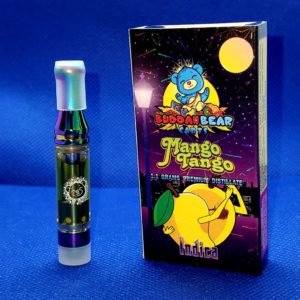
CARTRIDGES
Sale!

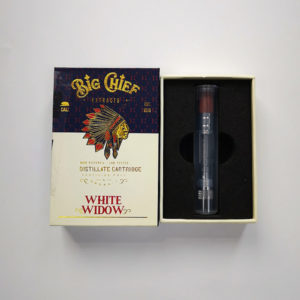
CARTRIDGES
Sale!

CARTRIDGES

HASH
$
70.00
–
$
305.00

CARTRIDGES
$
25.00

CARTRIDGES
$
25.00
Sale!

CARTRIDGES
Browse our categories


our services
free express delivery
When your order is more than $299, you receive FREE express delivery and can look forward to the worlds best medical marijuana and associate products delivered directly to your door
Exquisite Collection
We’re extremely picky about product quality & our collection is constantly being refined & is comprised of the finest buds known to humankind
Top-notch Support
We pride ourselves in providing exceptional support and we’re among the few offering dedicated 24/7 chat support to our valued customers.
How to Identify Fake or Mislabeled THC Vape Cartridge Packaging
A THC vape cartridge can look professional while containing the wrong cannabinoid, an unsafe cutting agent, or no verifiable cannabis extract at all. Counterfeit packaging often borrows familiar colours, logos, strain names, and compliance symbols to create confidence quickly. The box may be sealed, the cartridge may be filled, and the product may still be impossible to authenticate.
For Australians, the issue is tied closely to the local legal market. Medicinal cannabis is generally accessed through an authorised prescriber and pharmacy, while recreational THC products are not sold through a normal nationwide retail system. That makes informal listings, overseas websites, social media sellers, and “too good to be true” deals especially important to assess carefully before money changes hands.
Packaging Clues That Deserve Scrutiny
Legitimate packaging should provide information that can be checked, not merely decorative branding. Look for a product name, batch or lot number, net volume, cannabinoid quantities, manufacturer or sponsor details, storage instructions, and an expiry or use-by date. A label that only says “premium THC oil” or “live resin vape” without measurable details is making a marketing claim rather than giving useful product information.
Spelling mistakes, blurry printing, inconsistent fonts, crooked labels, and low-resolution logos are common signs of a copied package. However, good presentation does not prove authenticity. Counterfeiters can order high-quality boxes in bulk, so the more meaningful question is whether the information links to a real manufacturer, a consistent batch record, and an independent certificate of analysis.
Visual Details Worth Checking
- Batch numbers that appear printed identically across unrelated products
- Missing manufacturer, importer, or responsible-party information
- QR codes that lead to a generic homepage rather than a batch report
- Broken seals, loose lids, leaking oil, or tampered stickers
- Claims such as “100% safe” or “medical grade” without evidence
Compare the box with photographs from the manufacturer’s official channels, but do not rely on appearance alone. Fake sellers frequently copy genuine product images and may even use photographs taken in licensed dispensaries overseas. A genuine-looking package can still have been refilled, relabelled, or separated from its original contents.
Reading Labelling and Test Claims
Cannabinoid labelling should be specific enough to distinguish THC, CBD, minor cannabinoids, and the total volume of oil. Be cautious when a cartridge claims an extreme potency without a batch number or test date. A statement such as “95% THC” may refer to a vague marketing estimate, a different formulation, or nothing measurable. It should never be treated as proof of strength.
A certificate of analysis, often called a COA, is useful only when it matches the exact product. Check the laboratory name, report number, sample identification, collection date, test date, cannabinoid results, and contaminant screening. A credible report should usually address pesticides, heavy metals, solvents, microbial contamination, and sometimes viscosity or terpene composition. A QR code that displays a recycled PDF, an undated image, or a report for a different flavour is a warning sign.
The word “tested” is also easy to misuse. Testing may have been performed on a raw extract rather than the finished cartridge, or on one batch while the seller applies the result to every production run. Independent verification matters because vape oil can be altered during filling, storage, transport, or dilution.
Hardware and Oil Warning Signs
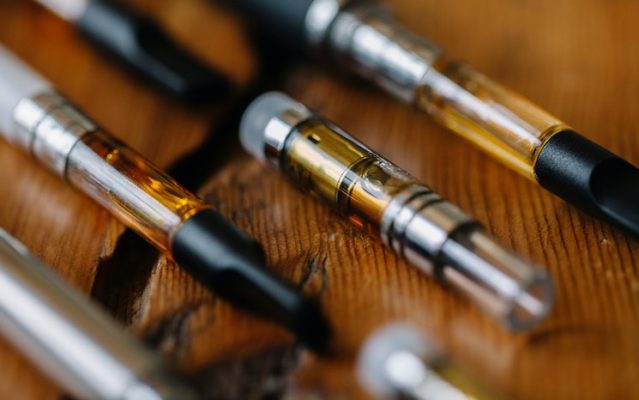
The cartridge itself can reveal problems that the outer box hides. Oil that is unusually thin, separates into layers, contains floating particles, or changes dramatically after gentle room-temperature storage deserves caution. Dark oil is not automatically unsafe, since oxidation and extract type affect colour, but an unexpected burnt smell, solvent odour, or harsh chemical taste is a reason to stop using it.
Hardware quality is another clue. A mouthpiece that wobbles, a cartridge that leaks into the battery, a heating element that produces an acrid smell, or a connection that becomes excessively hot may indicate poor manufacturing. Avoid modifying the cartridge, transferring oil into another device, or trying to “fix” a blocked unit, because opening the hardware can increase exposure to contaminants.
Some counterfeit formulations contain thinning agents or flavour additives that are not disclosed on the label. Vitamin E acetate became widely associated with vaping-related lung injury in the United States, particularly in illicit THC products, and the broader lesson remains relevant: unknown ingredients and unverified supply chains create avoidable risk. Cannabis-derived terpenes are not the same as a complete ingredient disclosure.
How Australia Changes the Risk Picture
Australia does not have a broad legal recreational THC vape market like some parts of North America. Medicinal cannabis access is regulated through the Therapeutic Goods Administration framework, and products are generally supplied through authorised pathways, subject to prescription and state or territory requirements. A product advertised as “dispensary weed” for casual delivery in Sydney, Melbourne, Brisbane, Perth, or Adelaide should therefore be treated with particular caution.
Rules can differ between New South Wales, Victoria, Queensland, Western Australia, South Australia, Tasmania, the Northern Territory, and the Australian Capital Territory. Even where personal possession rules are treated differently, that does not create a general retail licence for THC cartridges. ACT residents, for example, should not assume that limited personal-use provisions mean commercial sale or interstate delivery is lawful.
Imported vapes can also face Australian Border Force controls, and a parcel being advertised as “discreet,” “express,” or “customs safe” does not make it legal. Shipping promises, encrypted checkout, and a 24/7 chat service may describe the customer experience, but they do not verify the contents of a cartridge. Before ordering any cannabis product, Australians should consider the applicable federal and local rules, prescription requirements, and the legal status of the seller.
Safer Ways to Verify a Product
Start by separating the seller’s identity from the product’s identity. A website may have polished graphics, customer reviews, a professional checkout, or claims about secure processing while providing no independently verifiable manufacturer details. Search for the brand outside the seller’s own website, look for consistent batch documentation, and check whether the named laboratory appears to conduct genuine analytical testing.
Be careful with reviews that focus only on fast delivery, strong effects, or attractive packaging. Those comments do not establish that the cartridge was accurately labelled or screened for contaminants. Independent consumer information can help identify repeated patterns, and this guide to common online scams is useful when assessing unusual payment requests, fake support accounts, and pressure-based sales tactics.
Practical Verification Steps
- Match the batch code on the box, cartridge, and laboratory report
- Confirm that the COA names the same product type, flavour, and formulation
- Check whether the laboratory report includes contaminant screening
- Contact the manufacturer through independently sourced contact details
- Keep the invoice, listing, packaging photographs, and delivery records
- Avoid sellers demanding cryptocurrency, gift cards, or urgent payment
Do not scan an unfamiliar QR code with the assumption that it is harmless or genuine. It may direct you to a cloned site, collect personal information, or display a fabricated report. Type the manufacturer’s known web address into your browser or use an official contact channel instead.
What to Do When the Product Seems Wrong
Stop using a cartridge if it tastes strongly of chemicals, causes chest pain, unusual shortness of breath, severe coughing, confusion, faintness, or other concerning symptoms. Seek urgent medical assistance for serious breathing problems or chest symptoms. In Australia, call 000 for an emergency, and contact the Poisons Information Centre on 13 11 26 for advice about possible exposure.
Keep the product in its original condition if it can be done safely. Photograph the packaging, batch number, liquid, hardware, order page, payment record, and shipping label. Do not send a suspicious cartridge to another person, pour the oil down a drain, or leave it where children or pets can reach it. Store it securely while seeking advice about disposal.
If a medicinal product came through a pharmacy or authorised prescriber, report concerns to the pharmacy and discuss them with the prescriber. Suspected counterfeit or illegally supplied products may also be relevant to state health authorities, the TGA, or consumer protection agencies. A seller who refuses to provide basic batch information, removes the listing after complaints, or pressures customers to delete reviews is giving you useful evidence about the transaction.
Packaging checks cannot identify every contaminated or mislabeled vape. The safest approach is to use regulated, clinically appropriate channels where available, verify documentation before use, and treat unexplained potency, unclear ingredients, and aggressive sales claims as reasons to walk away. Take time to document concerns and report suspicious products through the appropriate Australian health or consumer authority.