No products in the cart.
QUALITY THC PORTAL - BUY QUALITY THC PRODUCTS ONLINE - FAST DELIVERY
Welcome to Quality THC Portal. We are premium suppliers of Quality THC Products. We supply in bulk and small quantities the following products; Package weed , Pre-rolls , Vape cartridges and Marijuana concentrates. We deliver to most countries around the world and delivery is fast and secured. Our website is well encrypted to product all your information we receive to process your orders and also we have a well setup and stable customer service team who are always available to assist you incase of any difficulty while trying to make purchase on our website. We are certain you shall enjoy our services.
Best Selling Products
Sale!


CARTRIDGES
Sale!


CARTRIDGES
Sale!

CARTRIDGES
Sale!

CARTRIDGES

HASH
$
70.00
–
$
305.00

CARTRIDGES
$
25.00

CARTRIDGES
$
25.00
Sale!

CARTRIDGES
Browse our categories


our services
free express delivery
When your order is more than $299, you receive FREE express delivery and can look forward to the worlds best medical marijuana and associate products delivered directly to your door
Exquisite Collection
We’re extremely picky about product quality & our collection is constantly being refined & is comprised of the finest buds known to humankind
Top-notch Support
We pride ourselves in providing exceptional support and we’re among the few offering dedicated 24/7 chat support to our valued customers.
How to spot high quality live resin by color and smell
Live resin sits at the premium end of cannabis concentrates, prized by Australian enthusiasts for its bold terpene expression and rich cannabinoid profile. Unlike cured extracts, it is made from fresh-frozen plant material that is harvested and immediately cryogenically frozen to preserve the aromatic compounds that normally degrade during drying and curing. This careful handling is what gives live resin its signature depth of flavour and complexity, but it also makes the concentrate more expensive to produce, and therefore a frequent target for imitation or poor processing.
For shoppers in Melbourne, Brisbane, Perth, Adelaide, Hobart, or Sydney, the challenge is the same. With medicinal cannabis legal under TGA pathways since 2016 and recreational laws still uneven across states, most consumers navigate a grey market where quality control varies wildly. That makes personal evaluation skills more important than brand reputation alone. Knowing how to assess live resin through its color and aroma is one of the most reliable ways to separate craft-grade extract from mediocre product before it ever reaches a vaporiser.
Color and aroma function as direct signals of how the concentrate was made, stored, and handled. A jar that looks dull, smells flat, or has shifted to an unusual hue tells a story about oxidation, terpene loss, or contamination. Treating color and smell as diagnostic tools turns a casual purchase into a more informed decision, and protects the consumer from paying premium prices for substandard material.
What live resin actually is and why it behaves differently
Live resin is a solvent-based extract, most commonly produced using hydrocarbon extraction with butane or propane on fresh-frozen flower. Because the starting material skips the weeks-long drying and curing phase, the resulting concentrate retains a fuller terpene profile than traditional cured extracts. This is also why live resin often comes in textures such as sauce, badder, sugar, or diamonds, each one a result of different temperature and pressure handling during purging.
The freshness of the source material matters enormously. Trichomes that have been frozen shortly after harvest still contain intact monoterpenes and sesquiterpenes, the volatile aromatic molecules that give cannabis its distinctive scent. When those compounds are preserved, they show up in the final product as bright color and a layered, pungent aroma. When they are lost through heat, light, or time, the concentrate dulls in both appearance and smell.
Australian buyers should remember that distance from production and the time spent in transit or storage also affect quality. A jar shipped from overseas and stored in a warm warehouse for weeks will not look or smell the same as one that left a processing facility days earlier. Sourcing through reputable retailers such as https://qualitythcportal.com/ often translates into a fresher end product for the consumer.
Reading the color spectrum
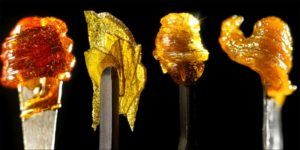
Color is the most immediate visual cue. Premium live resin typically presents in a pale to mid-amber range, sometimes with a golden or honey hue, occasionally leaning toward a light yellow when the source strain is high in limonene or pinene. Bright, translucent colors suggest the terpenes and cannabinoids have been preserved without significant oxidation.
A shift toward dark amber, brown, or even black usually points to problems. Possible causes include excessive heat during purging, prolonged exposure to air, or starting material that was already degraded before extraction. Very dark concentrates are not necessarily unsafe, but they are almost always lower in monoterpenes and may have lost much of what made the original strain distinctive.
| Color observation | Likely meaning | Quality implication |
|---|---|---|
| Pale gold to light amber | Fresh frozen starting material, gentle purging | High terpene retention, premium grade |
| Deep amber to honey | Slight oxidation, decent purging | Acceptable but past peak freshness |
| Dark brown or near black | Heat damage, old material, or poor purging | Reduced aroma, likely degraded |
| Green or olive tint | Chlorophyll or plant matter contamination | Lower purity, harsh vapor |
| White or crystalline without color | Diamonds or isolate cut, low terpene | Different product, not true live resin |
Color alone is never the full story, which is why smell should always be the second checkpoint. The two senses together build a more reliable picture than either one alone.
Decoding the aroma profile
A high-quality live resin should smell loud, complex, and layered the moment the jar is opened. Common descriptors are citrus, pine, gas, cream, diesel, candy, and earth, depending on the cultivar. The intensity matters as much as the specific notes. A jar that fills the room with scent is doing what properly preserved terpenes should do.
When the aroma is faint, flat, or smells like nothing, that is a warning sign. It usually means the volatile compounds have evaporated through heat exposure, prolonged storage, or a poor seal on the container. Similarly, a sharp chemical or solvent-like smell suggests residual butane or propane, a sign that purging was rushed or incomplete. Australian consumers who vaporise live resin in devices common across Sydney and Melbourne's medical access pathways should pay particular attention here, since residual solvents vaporise at low temperatures and can affect both flavour and smoothness.
Terpene balance is also telling. A live resin that smells like a single dominant note, only gas or only sweet, is often the result of selective processing that has stripped minor terpenes away. Craft processors aim for a layered bouquet that mirrors the original flower. If the smell reminds you of walking past a flowering garden in coastal Noosa, you are likely holding something closer to the real thing.
Texture and consistency cues worth noting
Texture is a supporting indicator rather than a standalone measure, but it still says something. Sauce, with its wet, granular separation of THCA and terpenes, generally signals a high-terpene extract. Badder, whipped and creamy, is also associated with terpene-rich material. Sugar and honeycomb sit between these extremes and can still represent high quality.
Crumble that is bone-dry and dusty, or shatter that snaps but has no visible terpene sheen, may have been purged too aggressively or stored poorly. In Australian summers, where warehouse temperatures in cities like Adelaide can climb well above 35°C, concentrates can easily degrade during shipping if not handled with cold-chain care. That environmental stress often shows up first as a dry, brittle texture and second as a faded aroma.
Another visual cue is the presence of bubbles, foam, or unusual separation. Bubbles trapped inside the concentrate suggest moisture contamination, which is a sign of poor processing. Foamy or whipped-in-air products may look artisanal but can oxidise faster than denser extracts. A stable, glossy, or wet-looking surface is more often associated with a well-handled live resin.
Red flags and smart buying habits in Australia
The Australian cannabis market has grown rapidly under the medical scheme, with an expanding number of authorised prescribers and patients approved through SAS pathways in capital cities. Recreational use, however, remains illegal or heavily restricted in most states, with the ACT standing out as the only jurisdiction where personal possession and small-scale cultivation have been decriminalised. Driving with any detectable THC remains a serious offence nationwide, and roadside drug testing is common in Victoria, NSW, and Queensland. These legal realities mean most live resin purchases still happen through online channels operating in a grey area, where quality control falls to the buyer.
Practical habits to build before purchasing:
- Check that the retailer lists cannabinoid percentages and, ideally, terpene breakdowns from third-party lab testing
- Inspect jar photos for color and consistency before buying, and ask for batch numbers if not provided
- Store live resin in a cool, dark place — a refrigerator between 2°C and 8°C is ideal for opened jars
- Avoid containers that are more than half full of headspace, since excess air speeds oxidation
- Buy in smaller quantities from a new supplier before committing to bulk orders, even when discounts are tempting
- Keep records of batch codes and effects so you can compare quality across purchases
Quality live resin rewards careful buyers. When the color looks bright and golden, when the aroma jumps out of the jar with layered notes, and when the texture feels stable and glossy, the concentrate has been handled with care from fresh frozen to final seal. Take a moment to inspect before you load your vaporiser, and your palate will thank you for it. Browse the latest lab-tested batches and compare what premium live resin should look and smell like at https://qualitythcportal.com/.