No products in the cart.
QUALITY THC PORTAL - BUY QUALITY THC PRODUCTS ONLINE - FAST DELIVERY
Welcome to Quality THC Portal. We are premium suppliers of Quality THC Products. We supply in bulk and small quantities the following products; Package weed , Pre-rolls , Vape cartridges and Marijuana concentrates. We deliver to most countries around the world and delivery is fast and secured. Our website is well encrypted to product all your information we receive to process your orders and also we have a well setup and stable customer service team who are always available to assist you incase of any difficulty while trying to make purchase on our website. We are certain you shall enjoy our services.
Best Selling Products
Sale!


CARTRIDGES
Sale!


CARTRIDGES
Sale!

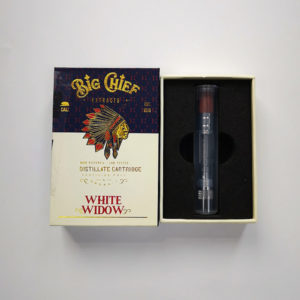
CARTRIDGES
Sale!

CARTRIDGES

HASH
$
70.00
–
$
305.00

CARTRIDGES
$
25.00

CARTRIDGES
$
25.00
Sale!

CARTRIDGES
Browse our categories


our services
free express delivery
When your order is more than $299, you receive FREE express delivery and can look forward to the worlds best medical marijuana and associate products delivered directly to your door
Exquisite Collection
We’re extremely picky about product quality & our collection is constantly being refined & is comprised of the finest buds known to humankind
Top-notch Support
We pride ourselves in providing exceptional support and we’re among the few offering dedicated 24/7 chat support to our valued customers.
How to Decode the Numbers on a Cannabis Product Batch Label
A cannabis product batch label can look like a dense collection of codes, dates and percentages. Yet each number serves a practical purpose: identifying the production run, showing cannabinoid strength, confirming the amount inside the package, or indicating when the product should no longer be used. Learning how these details fit together makes it easier to spot inconsistencies before opening a flower jar, vape cartridge, pre-roll pack or concentrate container.
Australian consumers need to read these labels with particular care because the local market is divided between regulated medicinal cannabis and products that may be unapproved, imported or sold outside Australia’s legal supply chain. A label can appear professional without proving that a product was tested, lawfully supplied or stored correctly. Numbers are useful evidence, but they need to be checked as a complete set.
What The Label Is Designed To Tell You
The batch or lot number identifies a specific group of products made, filled or packaged under broadly similar conditions. It may contain letters, digits, a date fragment or an internal product code. There is no single universal format, so “B241108” on one package might refer to a production date, while the same-looking code on another could simply be a sequential lot identifier.
A responsible label should connect the product in your hand to its manufacturer, packer or authorised supplier. Look for the product name, form, net quantity, cannabinoid information, storage instructions and a way to identify the relevant production batch. Online product descriptions can help with general comparison, but cannabis product information should never replace the details printed on the sealed package or the documentation supplied through a lawful medicinal channel.
The batch code becomes especially important if a manufacturer issues a safety notice or recall. If a vape cartridge, flower product or resin is linked to contamination, incorrect potency or packaging failure, the code allows a supplier to identify affected units without withdrawing every product it has made. Keep a photograph of the label and receipt if you need to report a problem.
Read The Batch And Date Codes
Several dates can appear on cannabis packaging, and they do not mean the same thing. A manufacture date usually indicates when the product was produced or harvested. A packaging date shows when it was placed into its final container. A testing date refers to the laboratory analysis, while an expiry or use-by date indicates the point after which the maker no longer guarantees the product’s quality or stability.
Some products use Julian-style dates, where a three-digit number represents the day of the year. Others use year-month-day, day-month-year or a coded format. Australian consumers should be cautious with ambiguous strings such as 04/05/25 because the order may be unclear. A printed explanation, customer-service record or certificate of analysis should clarify the format rather than leaving the consumer to guess.
Do not assume that the newest manufacture date is always the best choice. Flower can lose aroma and moisture balance during poor storage, while oils may change if repeatedly exposed to heat, oxygen or sunlight. A batch made in summer and transported through a hot parcel network between Sydney and Perth may have experienced conditions that are not obvious from the date alone. The seal, container condition and storage history matter as much as the calendar.
The batch code should match across the outer carton, inner container and any certificate or dispensing record. A mismatch can occur through a simple packing error, but it can also indicate relabelling or counterfeit packaging. Do not use a product when the expiry date has passed, the code is missing, or a sticker appears to cover an original date or warning.
Interpret Potency And Testing Details
Cannabinoid numbers normally describe THC and CBD concentration, but the unit matters. Flower may be labelled as a percentage by weight, such as 18% THC. A vape oil or tincture may use milligrams per millilitre, while an edible may state milligrams per piece and milligrams for the whole pack. These figures cannot be compared directly without considering the product’s total weight or volume.
For example, a 1 mL cartridge labelled 75% THC is not necessarily expressing the same information as 750 mg THC in a 1 mL cartridge. The percentage may refer to the concentrate’s composition, whereas the milligram figure may represent total cannabinoid content. Some labels show “total THC” after converting the potential acidic cannabinoids that become active through heating. Others list THC and THCA separately. Read the units and definitions before drawing conclusions about strength.
A certificate of analysis, often called a COA, should identify the tested batch and show the laboratory’s results. Depending on the product and jurisdiction, testing may cover cannabinoid potency, residual solvents, pesticides, heavy metals, microbial contamination and foreign material. A QR code can lead to a digital report, but a QR code alone proves little if it directs to a generic homepage or a document for a different lot.
Compare the COA’s sample name, batch number, testing date and product type with the physical label. A report for “Blue Dream flower” does not automatically validate a “Blue Dream vape” made by the same brand. Watch for implausibly precise claims, missing laboratory details or potency numbers that do not match the package. Independent testing is meaningful only when the sample identity and chain of custody are clear.
Check Packaging Against Australian Rules
In Australia, legal access generally depends on the product category and the supply route. Medicinal cannabis is commonly supplied through a doctor, authorised prescriber and pharmacy under the Therapeutic Goods Administration framework, while state and territory requirements also affect prescribing, dispensing and possession. Recreational cannabis remains prohibited in most jurisdictions. The Australian Capital Territory has limited personal-use provisions, but those provisions do not create a nationwide legal retail market and do not override Commonwealth restrictions.
A package that claims to be “medical grade” or “Australian approved” should be treated carefully unless those claims can be verified. Lawful medicinal products usually provide clear sponsor details, directions, warnings, storage requirements and a traceable dispensing pathway. The packaging may also include information about driving, pregnancy, interactions and keeping the medicine away from children. An overseas label, even if it looks sophisticated, may not meet Australian requirements.
The local climate adds a practical concern. Heat in Brisbane, humidity around Darwin and long periods of high temperature in inland areas can affect flower, oils and disposable vape hardware. In Melbourne or Hobart, cooler storage conditions may help preserve some products, but condensation can damage packaging after a cold item is moved into warm air. Keep products sealed, away from direct sunlight and stored exactly as the approved label directs.
Customs and postage are another part of the reality. A parcel advertised as international or “express” does not become lawful merely because it has a tracking number. Cannabis and THC products can be intercepted at the Australian border, and importing an item without the required authority may expose the recipient to seizure or legal consequences. Check current guidance from the TGA, Australian Border Force and your state or territory health department before relying on an overseas listing.
Practical Checks Before You Use A Product
Treat every number as part of a chain of verification rather than as a guarantee by itself. Begin with the product type and legal supply route, then compare the batch code, date, potency unit and net quantity. A label that provides abundant figures can still be unreliable if the numbers conflict or the manufacturer cannot explain them.
The following checks are useful for flower, pre-rolls, hash, live resin, vape cartridges and other concentrates:
- Match the batch or lot number on the primary container with the outer packaging and any COA.
- Confirm whether potency is shown as a percentage, milligrams per millilitre, milligrams per gram, per piece or per entire pack.
- Check the manufacture, packaging, testing and expiry dates, including the date format used.
- Look for a named manufacturer, responsible supplier, storage instructions and appropriate health warnings.
- Scan any QR code carefully and verify that the report identifies the same product and batch.
- Inspect seals, labels and print quality for tampering, spelling errors, covered dates or mismatched stickers.
- Keep the packaging and purchase record, and stop using the product if its appearance, smell, hardware or documentation seems inconsistent.
These checks are particularly important for inhaled products. A cartridge with a clean-looking oil may still contain an unsuitable thinning agent or exceed the stated potency. A concentrate may darken naturally over time, but unexpected separation, leaking, pressure damage or a burnt chemical odour is a reason to set it aside. Do not attempt to repair, refill or combine products simply because a batch label appears valid.
If a product causes severe discomfort, breathing difficulty, confusion, chest pain or another urgent symptom, seek medical help promptly and provide the packaging if possible. For non-urgent concerns about a medicinal product, contact the dispensing pharmacy or prescriber. Reporting an apparent labelling error helps create a record that may support a broader product investigation.
Reading a batch label is a small step, but it can reveal whether the package tells a coherent story. The product name, batch identity, dates, cannabinoid measurements, laboratory record and legal supply information should align. If one part does not fit, pause before using the product.
Save a clear image of the label, verify the batch against reliable documentation and check the latest Australian guidance before purchasing, importing or consuming any THC product. That habit gives you a practical record for speaking with a pharmacist, prescriber, supplier or regulator and helps separate traceable products from packages that merely look legitimate.