No products in the cart.
QUALITY THC PORTAL - BUY QUALITY THC PRODUCTS ONLINE - FAST DELIVERY
Welcome to Quality THC Portal. We are premium suppliers of Quality THC Products. We supply in bulk and small quantities the following products; Package weed , Pre-rolls , Vape cartridges and Marijuana concentrates. We deliver to most countries around the world and delivery is fast and secured. Our website is well encrypted to product all your information we receive to process your orders and also we have a well setup and stable customer service team who are always available to assist you incase of any difficulty while trying to make purchase on our website. We are certain you shall enjoy our services.
Best Selling Products
Sale!


CARTRIDGES
Sale!


CARTRIDGES
Sale!

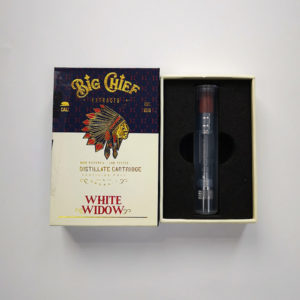
CARTRIDGES
Sale!

CARTRIDGES

HASH
$
70.00
–
$
305.00

CARTRIDGES
$
25.00

CARTRIDGES
$
25.00
Sale!

CARTRIDGES
Browse our categories


our services
free express delivery
When your order is more than $299, you receive FREE express delivery and can look forward to the worlds best medical marijuana and associate products delivered directly to your door
Exquisite Collection
We’re extremely picky about product quality & our collection is constantly being refined & is comprised of the finest buds known to humankind
Top-notch Support
We pride ourselves in providing exceptional support and we’re among the few offering dedicated 24/7 chat support to our valued customers.
How To Decode Cannabis Slang In Online Product Descriptions
Cannabis product pages often mix technical terminology with informal language borrowed from music, street culture, cultivation and vaping communities. Words such as “gas,” “diamonds,” “sauce” and “full melt” can sound appealing, yet their meanings are not always consistent. A seller may use a term as a precise description, a marketing phrase or simple shorthand for a general product category.
Australian shoppers also need to read these descriptions through a local legal and practical lens. Recreational cannabis remains unlawful under Australian federal law, while medicinal cannabis is available through an authorised medical pathway. Rules and enforcement can vary between states and territories, so an overseas delivery claim or a familiar product label does not automatically make a purchase lawful in Sydney, Melbourne, Brisbane or elsewhere.
Why Slang Matters
Cannabis slang can describe the plant, the production method, the format, the expected experience or the perceived quality. “Bud” and “flower” usually refer to dried cannabis flowers, while “cart” normally means a vape cartridge. “Concentrate” is a broad category covering products made by extracting compounds from cannabis, including resin, rosin, shatter and wax.
The trouble begins when promotional language blurs those categories. “Premium,” “top shelf,” “exotic” and “fire” are subjective claims rather than recognised grading systems. “Loud” or “gas” often suggests a strong, pungent aroma, but it does not prove high THC content. Slang also changes by region. A term used in California, Canada or an online forum may be interpreted differently by an Australian seller.
Language from hip-hop, internet culture and popular media has influenced cannabis vocabulary for decades. Readers interested in the wider cultural background can explore album references alongside the words found in product listings. Cultural familiarity can help decode a phrase, but it should not replace checking the actual specifications.
Flower And Pre-Roll Language
“Flower,” “bud,” “nug” and “herb” generally describe the dried flowering part of the cannabis plant. “Nugs” often means larger, intact pieces, whereas “small buds” or “popcorn buds” refers to smaller flowers. These smaller pieces can come from the same plant as larger buds, so size alone does not determine potency or quality.
“Shake” means loose fragments that collect during handling, trimming or packaging. It may contain flower, leaf and kief, making its quality variable. “Trim” refers more specifically to leaves removed during cultivation and processing. A listing that uses “shake” or “trim” should explain the approximate composition, moisture level and whether the material has been tested.
A “pre-roll” is a ready-made joint, while a “cone” usually describes a cone-shaped paper filled with ground flower. “Infused pre-rolls” contain an added concentrate, such as kief, hash or distillate. “Blunt” traditionally means cannabis rolled in a tobacco or tobacco-style wrap, although some sellers use the word loosely for any large roll. Australians should also remember that smoking products may carry extra health and legal concerns, particularly when tobacco is involved.
“Indoor,” “greenhouse” and “outdoor” describe cultivation environments. Indoor growing can allow tighter control over lighting, temperature and humidity, but the word itself is not proof of superior flower. “Cured” refers to a post-harvest drying and conditioning process intended to improve texture, aroma and stability. Ask whether a product has been tested and stored correctly rather than relying on cultivation labels alone.
Vape And Cartridge Terms
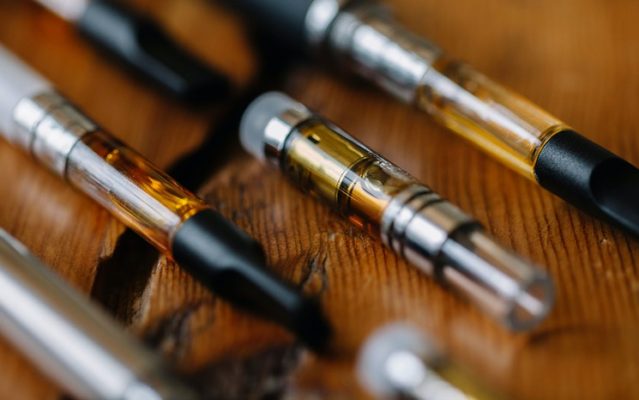
A “cart” or “cartridge” is a small container holding cannabis oil designed for a compatible vape battery. Many cartridges use a 510 thread, a common connection standard, but not every device is compatible. “Disposable” means the battery and oil chamber are supplied as one unit, while a “pod” may require a specific proprietary device.
“Distillate” is a highly refined oil commonly associated with strong THC content and a relatively simple cannabinoid profile. Terpenes may be added back after refinement to create a particular aroma or flavour. “Live resin” is made from cannabis that is usually frozen soon after harvest, helping retain more of its original aromatic compounds. The name suggests a production approach, not a guaranteed potency or therapeutic effect.
“Full-spectrum” generally means the formulation aims to retain multiple cannabinoids and terpenes. “Broad-spectrum” usually indicates multiple compounds with little or no THC, while “isolate” refers to a single purified compound, such as CBD isolate. These terms can be used inconsistently, so a cannabinoid breakdown is more useful than the label alone.
A cartridge described as “ceramic,” “glass” or “hardware upgraded” is referring to the device components, not necessarily the oil. Hardware can affect airflow and flavour, but it does not prove that the contents are clean. Avoid treating a colourful package, a familiar logo or a dramatic strength claim as evidence of manufacturing quality. Look for batch information, ingredient details and independent testing.
Extract And Concentrate Vocabulary
Concentrates contain a higher proportion of cannabinoids or aromatic compounds than ordinary dried flower. “Hash” or “hashish” is traditionally compressed resin glands collected from the plant. “Kief” is loose trichome material, often appearing as a sandy or powdery layer. “Bubble hash” is made using ice water and filtration, while “full melt” is a quality phrase associated with material that melts cleanly when heated.
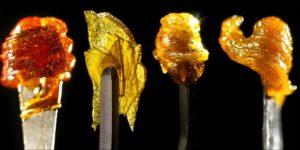
“Rosin” is produced using heat and pressure rather than chemical solvents. “Live rosin” starts with fresh-frozen material, while “live resin” is generally extracted using solvents from fresh-frozen cannabis. “Shatter” is a glass-like concentrate, “wax” has a softer consistency, and “budder” or “badder” describes a whipped, creamy texture. “Sauce” commonly refers to a terpene-rich, fluid extract.
| Term | Usually Refers To | What It Does Not Prove |
|---|---|---|
| Distillate | Highly refined oil | That the product is full-spectrum or solvent-free |
| Live resin | Extract made from fresh-frozen cannabis | A specific THC percentage or medical benefit |
| Rosin | Pressed extract made with heat and pressure | That it is stronger than every resin product |
| Kief | Loose trichome-rich material | Consistent purity or uniform potency |
| Shatter | Firm, glass-like concentrate | Safe handling, testing or legal status |
| Sauce | Fluid, often terpene-rich extract | A particular cannabinoid ratio |
Words such as “diamonds,” “crumble,” “crystal” and “sugar” usually describe texture or the appearance of concentrated cannabinoids. “THC diamonds” often refers to crystalline THCA that converts to THC when heated, but the listing should explain the stated cannabinoid measurement. “Moon rocks” generally means flower coated with oil and rolled in kief. They can be very potent and difficult to dose, so the slang should never be treated as a safety guide.
Potency, Terpenes And Effects
“High THC,” “extra strength” and “maximum potency” are incomplete without a percentage, milligram amount or laboratory result. A product’s stated THC level may refer to the flower before use, the extract itself or the total amount in a cartridge. These figures are not always directly comparable. A label should ideally state whether the number is a percentage by weight, milligrams per package or milligrams per serving.
“CBD-rich” means the product contains a comparatively high amount of cannabidiol, but it does not necessarily mean the product contains no THC. “Balanced” often suggests a similar or deliberately paired THC-to-CBD ratio. “Microdose” is an informal serving description and may vary significantly between products. Treat any claimed effect, such as “relaxing,” “energising” or “creative,” as subjective marketing rather than a guaranteed outcome.
Terpenes are aromatic compounds that contribute to scent and flavour. Myrcene, limonene, pinene, linalool and caryophyllene are frequently mentioned in cannabis descriptions. A terpene profile can help explain why one flower smells citrusy, earthy, peppery or pine-like, but it cannot reliably predict how every person will feel.
“Indica,” “sativa” and “hybrid” remain common retail categories, although modern commercial cannabis often has mixed genetics. These labels may offer a rough cultural shorthand, yet they say less than the actual cannabinoid and terpene profile. Australian buyers should be especially cautious with claims that a strain will produce a fixed medical or psychological result.
A Practical Decoding Checklist
Before relying on a slang-heavy listing, separate the product’s measurable facts from its promotional language. The following terms deserve closer attention:
- Product format: flower, pre-roll, cartridge, disposable, hash or concentrate
- Active compounds: THC, CBD, THCA, CBDA and any stated minor cannabinoids
- Production method: distillate, solvent extraction, rosin, live resin or water separation
- Testing details: batch number, test date, potency and contaminant screening
- Storage information: packaging, temperature guidance, expiry date and moisture control
A sensible reading process also involves checking whether the description answers basic questions about use and handling. Vague wording is not automatically proof of a poor product, but it gives you less information with which to assess risk.
- Treat “premium,” “fire,” “exotic” and “top shelf” as opinions
- Treat “full-spectrum,” “organic” and “solventless” as claims requiring detail
- Compare milligrams or percentages instead of relying on names such as “ultra”
- Check whether the listed amount refers to the whole package or one serving
- Confirm compatibility before assuming a cartridge fits a vape battery
For people in Australia, the legal check comes before the product comparison. Medicinal cannabis must be supplied through the appropriate authorised pathway, and state or territory rules may affect possession, prescribing and driving. A website offering international delivery, encrypted checkout or 24-hour chat cannot override Australian law.
Read Labels With Confidence
A clear product description should make the slang easy to verify. It should identify the format, quantity, cannabinoid content, ingredients, batch information and testing status. It should also distinguish between a strain nickname, a production method and an effect claim. If those details are missing, polished language can create a stronger impression than the evidence supports.
This distinction matters when browsing an online cannabis catalogue such as Quality THC Portal, where product categories may include flower, cartridges, pre-rolls, hash, live resin and other extracts. Use the descriptive copy as a starting point, then compare it with measurable specifications and Australian legal requirements before taking any further step.
For a safer reading habit, copy unfamiliar terms into a note, define each one in plain English and mark whether it describes format, potency, texture, cultivation or marketing. This makes it easier to compare products without being distracted by dramatic names. It also helps identify listings that use several fashionable terms without explaining what is actually inside.
Read the measurable details first, treat slang as supporting context and verify the legal position that applies in your Australian state or territory. That approach turns confusing cannabis terminology into information you can assess carefully and responsibly.