No products in the cart.
QUALITY THC PORTAL - BUY QUALITY THC PRODUCTS ONLINE - FAST DELIVERY
Welcome to Quality THC Portal. We are premium suppliers of Quality THC Products. We supply in bulk and small quantities the following products; Package weed , Pre-rolls , Vape cartridges and Marijuana concentrates. We deliver to most countries around the world and delivery is fast and secured. Our website is well encrypted to product all your information we receive to process your orders and also we have a well setup and stable customer service team who are always available to assist you incase of any difficulty while trying to make purchase on our website. We are certain you shall enjoy our services.
Best Selling Products
Sale!


CARTRIDGES
Sale!

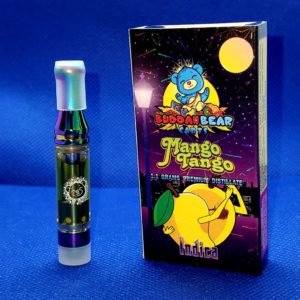
CARTRIDGES
Sale!

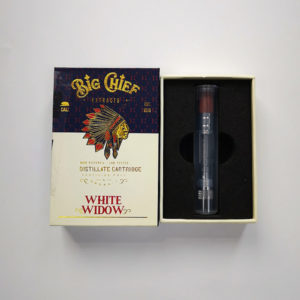
CARTRIDGES
Sale!

CARTRIDGES

HASH
$
70.00
–
$
305.00

CARTRIDGES
$
25.00

CARTRIDGES
$
25.00
Sale!

CARTRIDGES
Browse our categories


our services
free express delivery
When your order is more than $299, you receive FREE express delivery and can look forward to the worlds best medical marijuana and associate products delivered directly to your door
Exquisite Collection
We’re extremely picky about product quality & our collection is constantly being refined & is comprised of the finest buds known to humankind
Top-notch Support
We pride ourselves in providing exceptional support and we’re among the few offering dedicated 24/7 chat support to our valued customers.
How to decarboxylate cannabis flower for reliable edibles
Cannabis flower contains cannabinoids in their acidic forms, primarily THCA and CBDA. These compounds are not converted into the familiar intoxicating or therapeutic forms until heat removes a carboxyl group through a process called decarboxylation. When flower is used in brownies, cookies, oils, or capsules without this step, the finished edible may be much weaker than expected.
Decarboxylating cannabis means heating it gently and evenly before adding it to a recipe or infusion. The goal is to activate the cannabinoids without scorching the plant material or driving off valuable aromatic compounds. A controlled oven, an accurate thermometer, and a measured amount of flower are usually enough for a dependable home process.
Edibles can feel stronger and last much longer than inhaled cannabis, so preparation should include careful portioning and patience. Local laws also vary widely regarding possession, preparation, and edible consumption. Use only legally obtained flower and keep every cannabis ingredient away from children, pets, and anyone who should not consume it.
Why activation matters for edibles
Fresh cannabis flower is rich in THCA rather than delta-9 THC. THCA is not intoxicating in the same way as THC, which means simply grinding raw flower into cake batter will not produce the expected effect. Heat changes the molecular structure, allowing THC to become available when the edible is digested.
The same principle applies to CBD-rich varieties. Flower containing CBDA can be heated to encourage conversion into CBD, although the ideal time and temperature may differ slightly depending on the product. If the label lists cannabinoid percentages, remember that the acidic and activated values are not interchangeable.
Decarboxylation is also useful because it makes dosing more predictable. Once the flower has been activated, it can be infused into butter, coconut oil, olive oil, or another fat that carries cannabinoids into a recipe. Eating the dry plant directly is possible, but infusion usually creates a smoother texture and distributes the active compounds more evenly.
A basic conversion estimate is that the theoretical maximum THC is lower than the listed THCA amount because part of the molecule is lost during activation. A commonly used calculation is:
Potential THC = (THCA × 0.877) + existing THC
Real-world results are usually lower because of heat loss, uneven decarboxylation, extraction efficiency, and inaccurate labeling. Treat the formula as an estimate rather than a guarantee.
Preparing flower before heating
Start by inspecting the flower and removing stems, seeds, and any visibly damaged material. Break the buds into small, pea-sized pieces with your fingers or a grinder. Avoid turning the flower into a fine powder: excessive surface area can encourage scorching, create more airborne material, and make it harder to strain later.
An oven thermometer is valuable because many household ovens fluctuate significantly from their displayed setting. Preheat the oven to approximately 235°F, or 113°C. A range of 220–240°F, or 105–115°C, is commonly used, but lower and slower heating can help protect aroma while still activating the cannabinoids.
Line a baking sheet with parchment paper and distribute the ground flower in a thin, even layer. The pieces should not be piled deeply or pressed together. Good spacing allows heat to reach the material consistently and reduces the chance that the outside will dry or brown before the center is activated.
A light cannabis aroma is normal as the flower warms. Strong smoke, dark charring, or a toasted smell indicates excessive heat. If the flower begins to burn, remove it immediately, check the oven temperature, and avoid using the scorched portion in a food preparation.
Heating time and temperature
Place the tray in the center of the oven for roughly 30–45 minutes. Many people choose 40 minutes at about 235°F as a practical starting point. Older, denser buds may need slightly longer, while finely broken or very dry flower can finish sooner.
Gently shake or stir the pieces once during the process if the layer appears uneven. Keep the oven door closed as much as possible because repeated opening causes temperature swings. The finished flower should feel dry and crumbly, with a color that is somewhat darker than before, but it should not be black or visibly burned.
Decarboxylation is a balance between sufficient heat and excessive heat. Higher temperatures may shorten the process, but they can degrade THC and evaporate terpenes more quickly. Lower temperatures preserve more fragrance but require additional time and a reliable oven.
After removing the tray, let the flower cool completely before grinding it further or mixing it into oil. Warm flower can release a strong aroma, and handling it immediately may cause unnecessary cannabinoid loss. Once cool, it can be infused or stored in an airtight container for a short period.
Choosing an activation method
An oven is accessible, but it is not the only option. Specialized decarboxylation machines provide controlled temperature and timed cycles, while sous vide methods can offer consistent heat when the flower is sealed properly. Each approach changes the balance between convenience, odor control, moisture retention, and cost.
| Method | Typical temperature or setting | Approximate duration | Main benefit | Common drawback |
|---|---|---|---|---|
| Conventional oven | 220–240°F / 105–115°C | 30–45 minutes | Simple and widely available | Oven temperatures can fluctuate |
| Decarb appliance | Manufacturer setting | Device-specific | Automated temperature control | Requires extra equipment |
| Sous vide | About 200–203°F / 93–95°C water bath | 90–120 minutes | Good odor and moisture control | Needs a sealed bag and water setup |
| Mason jar in oven | About 220–240°F / 105–115°C | 45–60 minutes | Contains some aroma | Uneven heating is possible |
| Air fryer | Low setting, if available | Often 30–45 minutes | Fast preheating | Small space and hot spots |
The oven method is generally the easiest to verify because the flower can be observed during heating. However, a jar or sealed pouch can help reduce odor. If using glass, choose heat-resistant cookware, avoid sudden temperature changes, and leave enough room for the material to expand.
Air fryers require particular caution. Their heating elements and fans can create hot spots, and some models do not maintain a low enough temperature. If the appliance cannot be tested with an independent thermometer, a conventional oven may be the safer choice for a first batch.
For products sourced through a cannabis product selection, review any available lab information before calculating a recipe. Potency labels can help estimate the amount of THCA or THC present, although laboratory values still cannot predict the exact strength of a homemade edible.
Infusing the activated flower
After decarboxylation, the flower is ready to be infused into a fat. Butter and coconut oil are popular because cannabinoids dissolve readily into fats, while olive oil works well for savory dishes, salad dressings, and capsules. A slow cooker, double boiler, or saucepan on very low heat can be used for the infusion.
Avoid boiling the oil or allowing it to fry. A gentle range around 160–200°F, or 71–93°C, is usually sufficient, and many recipes infuse for one to three hours. Stir periodically and keep the mixture warm rather than aggressively hot. Strain through cheesecloth or a fine filter if a smoother finished ingredient is desired.
The amount of carrier fat affects concentration. Using less oil produces a stronger infusion per teaspoon, while using more makes portioning easier and can distribute the cannabinoids through a larger recipe. Write down the flower weight, estimated potency, carrier-fat volume, and number of servings before cooking.
For a simple estimate, multiply the flower weight in grams by the estimated THC percentage and then adjust for the 0.877 conversion factor and expected losses. For example, 3 grams of flower labeled at 20% THCA contains a theoretical 600 milligrams of THCA-derived THC before efficiency losses. In practice, the usable amount may be substantially lower.
Portioning, storage, and responsible use
Homemade edibles can take 30 minutes to two hours to produce noticeable effects, with peak intensity arriving later. Because of this delay, taking more too soon is one of the most common causes of an uncomfortable experience. A cautious starting amount is often 2.5–5 milligrams of THC, followed by at least two hours of observation before considering more.
Keep the finished food clearly labeled and separate from ordinary snacks. Use child-resistant containers where possible, and store edibles in a cool, dark place. Refrigeration can extend the freshness of infused butter or oil, but condensation and repeated temperature changes should be avoided.
Cannabis may impair coordination, judgment, and reaction time. Do not drive, operate machinery, or combine edibles with alcohol or other intoxicating substances. People who are pregnant, taking prescription medication, or managing a medical condition should consult a qualified healthcare professional before using cannabis.
Practical checks for a consistent batch
- Weigh the flower with a digital scale instead of estimating by eye.
- Confirm the oven temperature with an independent oven thermometer.
- Use a coarse, even grind and spread the material in a single layer.
- Record the estimated potency, infusion volume, and number of servings.
- Label the finished edible with its ingredients, approximate strength, and preparation date.
From activated flower to a measured edible
The most reliable process is gradual: prepare the flower, heat it at a controlled temperature, allow it to cool, infuse it gently, and divide the finished product into equal portions. Each stage affects the final result, so careful notes are more useful than relying on color or aroma alone.
Start with a small batch until you understand how your oven, infusion method, and recipe behave. A familiar recipe with clearly measured portions makes it easier to judge the result than a large, complicated dish. If the edible is too strong, reduce the amount of infused fat in the next batch or use more non-infused ingredients to dilute it.
With legal flower, basic kitchen equipment, and patient dosing, decarboxylation can turn raw cannabis into a more predictable ingredient for homemade edibles. Gather the right tools, follow a measured temperature and timing plan, and prepare your next batch with safety and consistency at the center.