No products in the cart.
QUALITY THC PORTAL - BUY QUALITY THC PRODUCTS ONLINE - FAST DELIVERY
Welcome to Quality THC Portal. We are premium suppliers of Quality THC Products. We supply in bulk and small quantities the following products; Package weed , Pre-rolls , Vape cartridges and Marijuana concentrates. We deliver to most countries around the world and delivery is fast and secured. Our website is well encrypted to product all your information we receive to process your orders and also we have a well setup and stable customer service team who are always available to assist you incase of any difficulty while trying to make purchase on our website. We are certain you shall enjoy our services.
Best Selling Products
Sale!


CARTRIDGES
Sale!


CARTRIDGES
Sale!

CARTRIDGES
Sale!

CARTRIDGES

HASH
$
70.00
–
$
305.00

CARTRIDGES
$
25.00

CARTRIDGES
$
25.00
Sale!

CARTRIDGES
Browse our categories


our services
free express delivery
When your order is more than $299, you receive FREE express delivery and can look forward to the worlds best medical marijuana and associate products delivered directly to your door
Exquisite Collection
We’re extremely picky about product quality & our collection is constantly being refined & is comprised of the finest buds known to humankind
Top-notch Support
We pride ourselves in providing exceptional support and we’re among the few offering dedicated 24/7 chat support to our valued customers.
How to Compare THC Cost Across Cannabis Product Types
A cannabis product’s sticker price tells you very little about its value until you know how much THC it contains. A $35 pre-roll pack, a $70 vape cartridge and a $50 jar of flower may seem impossible to compare at a glance, yet each can be assessed using an estimated cost per milligram of THC.
This measurement is useful for Australian consumers researching legal medicinal cannabis, comparing product formats, or learning how retail pricing works. It should be treated as a guide rather than a promise of personal effects. Labels can be incomplete, laboratory results may vary, and the amount of THC absorbed by the body is always lower and less predictable than the amount listed on the package.
What The Number Actually Measures
The basic calculation is straightforward:
Price per milligram of THC = total product price ÷ total milligrams of THC
For example, a 3.5-gram flower pack labelled at 20% THC contains an estimated 700 mg of THC. If the pack costs $70, its theoretical price is $0.10 per milligram. The calculation uses the total THC in the product, not the amount a person may eventually absorb.
This figure helps compare products within a similar market, but it does not measure quality, flavour, freshness, convenience or the intensity of the experience. A cheaper milligram may come from older flower, less accurate labelling or a concentrate with a harsh taste. A higher price may reflect better production standards, testing, packaging and consistency.
Australian shoppers should also distinguish between the advertised retail price and the final amount paid. Delivery charges, minimum order values, payment fees and taxes can change the effective cost. When examining a listing from an online cannabis retailer, record the complete checkout price rather than relying on the headline figure.
Build Comparable THC Estimates
Flower is usually labelled by weight and potency. To estimate its THC content, multiply grams by 1,000 and then multiply by the THC percentage expressed as a decimal. A 10-gram pouch at 18% THC contains approximately 1,800 mg of THC before considering moisture loss, combustion and variations in testing.
Pre-rolls can be assessed in the same way, but their stated weight deserves attention. A pack of five 0.5-gram pre-rolls contains 2.5 grams of material. At 22% THC, the theoretical total is 550 mg. If the price is $55, the listed cost is $0.10 per milligram. Filters, uneven filling and the possibility of leaving part of a pre-roll unused can make the practical value lower.
A simple buying worksheet can prevent mistakes. Note the product weight, THC percentage, total THC, price, shipping cost and number of units. Keeping the process organised is useful when planning a small order, much like using a ration planning guide to compare quantities and supplies rather than judging each item in isolation.
Compare Flower And Pre-Rolls
Flower often has a lower cost per milligram than pre-rolls because it involves less labour and packaging. With loose flower, the customer pays for the cannabis itself and can choose a vaporiser, pipe or other lawful method. The trade-off is the need for preparation, accurate portioning and suitable storage.
Pre-rolls charge a convenience premium. They are portable, ready to use and useful for people who do not want to grind or pack flower. However, a portion of the price may cover rolling, paper, filters and individual packaging rather than additional THC. A pre-roll made with trim or a lower-grade blend may offer a different value from one made with carefully selected flower, even when both show similar potency.
Freshness also affects the comparison. Terpenes can decline with poor storage, and dry flower may burn quickly or taste unpleasant. For Australian conditions, heat and humidity in places such as Brisbane, Darwin and coastal New South Wales make airtight, light-resistant packaging particularly relevant. A product with a slightly higher cost per milligram may be preferable if it stays stable and enjoyable for longer.
Evaluate Vapes And Concentrates
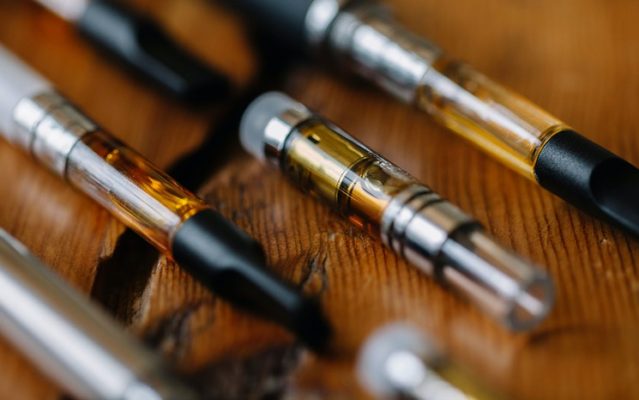
Vape cartridges, live resin and hash commonly contain more THC per gram than flower, but the higher potency does not automatically make them cheaper. A 1-gram cartridge labelled at 80% THC contains about 800 mg of THC. At $80, its theoretical price is $0.10 per milligram, matching the example above. A 0.5-gram cartridge at the same potency contains around 400 mg, so a $60 price equals $0.15 per milligram.
Check whether the label gives the net oil weight, liquid volume or total cannabinoid amount. Millilitres and grams are not interchangeable without knowing the density of the oil. Also check whether the cartridge includes a battery or requires a compatible device. The first purchase may therefore involve an extra hardware cost that should be included when calculating the real price.
Quality indicators matter more with vape products because contamination, poor hardware and inaccurate potency claims can create serious concerns. A useful reference for assessing construction, oil quality and consistency is this guide to premium THC vape cartridges. Look for independent testing, ingredient information, batch details and clear instructions. Avoid treating a very high THC percentage as proof that a cartridge is superior.
Concentrates such as live resin and hash can produce a low nominal cost per milligram, particularly when purchased in larger quantities. Yet their value depends on how much is lost during handling, whether the product requires specialist equipment and whether the consumer can accurately portion it. A lower listed price is less meaningful if the product is difficult to use safely or consistently.
Account For Australian Costs And Rules
Australia’s cannabis market is shaped by strict regulation. Recreational cannabis remains unlawful under federal law, while medicinal cannabis is available through authorised pathways involving registered medical practitioners and regulated pharmacies. The Australian Capital Territory has limited personal possession provisions, but Commonwealth laws and restrictions on cannabis cultivation, supply and possession still matter. Rules can also differ between states and territories.
That makes international delivery claims especially important to treat cautiously. A product advertised online is not automatically lawful to import, possess or receive in Australia. Australian Border Force may intercept prohibited goods, and customs consequences can apply even when a website displays prices in Australian dollars or promotes express shipping. Consumers should verify current information through official Australian sources and use lawful, authorised channels.
Local pricing also varies by location and access. A patient in Perth may face different pharmacy availability and delivery charges from someone in Melbourne or Sydney. Rural customers can encounter longer shipping times or fewer dispensing options. When comparing prices, include the full cost of legal access, professional consultations where applicable, dispensing fees and delivery.
Currency conversion creates another trap. A product shown in US dollars, euros or pounds may appear inexpensive before exchange rates, card fees and international postage are added. Calculate the delivered Australian-dollar cost first, then compare the resulting price per milligram with locally available, legally supplied alternatives.
Adjust For Quality, Waste, And Use
Theoretical THC content is only the starting point. Combustion can destroy some cannabinoids, vaporisers differ in efficiency, and concentrates may leave residue in a device. A product with 1,000 mg listed THC does not provide 1,000 mg of absorbed THC. For that reason, price-per-milligram calculations are most reliable as a purchasing comparison, not as a dosing formula.
Waste can be estimated by applying a practical efficiency factor, although the result will still be approximate. If two products both contain 800 mg of labelled THC but one is frequently overheated or difficult to portion, its usable value may be lower. A well-made cartridge with dependable airflow may justify a higher price than a poorly designed option with the same printed potency.
Product quality also includes consistency between batches. Independent certificates of analysis, clear manufacturing details and realistic cannabinoid claims can support confidence. Terpene profile, curing, extraction method and storage conditions may influence the experience more than a small difference in cost per milligram.
Medical use requires additional care. People using prescribed cannabis should follow their clinician’s directions rather than choosing a product solely because it has the lowest THC price. THC can impair driving, interact with medicines and affect people differently. A measured, consistent product may be more useful than the cheapest high-potency option.
A Practical Price-Checking Checklist
Use the following process whenever you compare flower, pre-rolls, cartridges, hash or live resin:
- Record the final Australian-dollar price, including shipping, taxes and payment fees.
- Convert the stated weight and potency into estimated total THC milligrams.
- Divide the complete price by the estimated THC total.
- Check whether the label reports total THC, THC percentage, oil weight or liquid volume.
- Add the cost of a battery, vaporiser or other required equipment.
- Consider freshness, laboratory testing, storage and likely product waste.
- Confirm that the product, seller and delivery method comply with Australian law.
The result should be written as a comparison range rather than a false precision. For example, a product may appear to cost $0.08 to $0.12 per milligram after allowing for label variation and practical losses. This is more honest than assuming that every listed milligram will be delivered in exactly the same way.
A spreadsheet can make repeated comparisons easier. Create columns for product type, pack size, THC percentage, estimated THC total, delivered price, cost per milligram and notes about quality. Separate medicinal products obtained through authorised channels from unregulated listings, since their legal status, testing and reliability may be fundamentally different.
Price per milligram is most useful when paired with evidence about the product and the supply chain. Use it to identify unusually expensive options, compare formats and understand where convenience premiums arise, while keeping safety and legality ahead of a bargain.
When reviewing cannabis pricing in Australia, start with the full delivered cost, verify the label, and calculate the estimated THC total before making any comparison. Check current state, territory and federal requirements, and seek advice from a qualified Australian healthcare professional or authorised pharmacy for medicinal use. A careful calculation can make product research clearer without encouraging unlawful importation or unsafe consumption.