No products in the cart.
QUALITY THC PORTAL - BUY QUALITY THC PRODUCTS ONLINE - FAST DELIVERY
Welcome to Quality THC Portal. We are premium suppliers of Quality THC Products. We supply in bulk and small quantities the following products; Package weed , Pre-rolls , Vape cartridges and Marijuana concentrates. We deliver to most countries around the world and delivery is fast and secured. Our website is well encrypted to product all your information we receive to process your orders and also we have a well setup and stable customer service team who are always available to assist you incase of any difficulty while trying to make purchase on our website. We are certain you shall enjoy our services.
Best Selling Products
Sale!


CARTRIDGES
Sale!


CARTRIDGES
Sale!

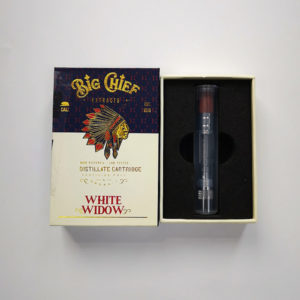
CARTRIDGES
Sale!

CARTRIDGES

HASH
$
70.00
–
$
305.00

CARTRIDGES
$
25.00

CARTRIDGES
$
25.00
Sale!

CARTRIDGES
Browse our categories


our services
free express delivery
When your order is more than $299, you receive FREE express delivery and can look forward to the worlds best medical marijuana and associate products delivered directly to your door
Exquisite Collection
We’re extremely picky about product quality & our collection is constantly being refined & is comprised of the finest buds known to humankind
Top-notch Support
We pride ourselves in providing exceptional support and we’re among the few offering dedicated 24/7 chat support to our valued customers.
How to Clean and Maintain Your Vape Battery
A well-maintained vape battery delivers steadier power, fewer connection problems, and a more consistent session. Residue from cannabis oil, dust, pocket lint, and frequent handling can collect around the 510 thread, cartridge chamber, button, or charging port. Over time, that buildup may prevent the device from recognizing a cartridge or cause uneven heating.
Battery care is straightforward when you use the right materials and avoid excess moisture. The goal is to clean the accessible connection points without forcing liquid into the electronics or damaging the lithium-ion cell inside the device.
A few minutes of routine attention can also help you spot warning signs early. Cracks, swelling, overheating, a loose charging port, or a battery that drains unusually quickly are reasons to stop using the device rather than attempt a deeper cleaning.
Know The Parts That Need Attention
Most vape batteries contain a battery housing, a 510-thread connection or cartridge socket, control buttons, indicator lights, and a USB charging port. Disposable or pod-style devices may use a sealed chamber instead of a universal 510 connector, but the same principles apply: clean only the areas designed to be accessed and keep liquid away from the internal circuitry.
The connector is usually the area that needs cleaning most often. Concentrate can seep from a cartridge onto the metal contact, while lint can settle inside the threads. This creates a weak electrical connection and may lead to blinking lights, intermittent heating, or a cartridge that sits at an angle.
The charging port deserves separate attention because compact debris can block the plug from seating correctly. Never insert a metal pin, paper clip, or other sharp object into the port. A soft, dry brush or a short burst of air held at a safe distance is less likely to bend internal contacts.
Prepare Before Cleaning
Turn the device off before handling it. If the battery has a removable cartridge, unscrew it gently and place it upright on a clean surface. On a draw-activated device, allow the unit to sit unused for a few minutes before cleaning. Disconnect any charging cable and remove the battery from a charger or charging dock.
Use cotton swabs, a microfiber cloth, and a small amount of high-percentage isopropyl alcohol. The alcohol should be applied to the swab rather than poured onto the battery. A wooden toothpick can help lift compact lint from the outside of a thread, but it should never be pushed into a charging socket, airflow hole, or cartridge chamber.
Inspect the battery under good lighting. Look for oil around the connector, damaged threads, a loose button, torn casing, corrosion, cracks, or a swollen body. Cleaning is appropriate for ordinary residue and dust; it is not a solution for structural damage. A compromised lithium-ion battery should be isolated from flammable materials and replaced according to local disposal rules.
Clean The Connection Safely
Start with a dry cotton swab around the 510 thread or cartridge socket. Rotate the swab gently along the metal contact and threads to remove loose oil and debris. If residue remains, lightly dampen a fresh swab with isopropyl alcohol and wipe the affected surfaces. Avoid saturating the swab, since liquid can migrate into the center pin or housing.
Give the connector several minutes to dry completely before reinstalling a cartridge. Alcohol evaporates quickly, but the device still needs time to air out. Do not use a hairdryer or other heat source to speed up drying. Excess heat can damage the battery, soften seals, and increase safety risks.
Clean the cartridge separately rather than trying to scrub it while attached. Wipe its base and exterior with a dry cloth, then use a lightly dampened swab around the metal threads if necessary. Do not immerse a cartridge in alcohol, and do not allow alcohol to enter the mouthpiece or airflow path. A cartridge with persistent leakage may need to be replaced, since continued oil seepage can repeatedly contaminate the battery.
| Component | Suitable method | Avoid | Recommended frequency |
|---|---|---|---|
| 510 thread or socket | Dry swab, then lightly dampened alcohol swab | Pouring liquid, scraping contacts | Weekly or when residue appears |
| Cartridge base | Wipe while detached from the battery | Cleaning while connected, soaking | Whenever oil is visible |
| Exterior housing | Microfiber cloth, slightly damp if needed | Submerging, abrasive cleaners | Weekly |
| Button and seams | Dry swab and gentle cloth wipe | Spraying cleaner into gaps | As needed |
| USB charging port | Dry soft brush or careful air cleaning | Metal tools, liquid, forceful air | Monthly and before charging |
| Internal battery cell | No user cleaning | Opening, puncturing, heating | Never; replace if damaged |
Prevent Residue And Connection Problems
Many connection issues begin with how the cartridge is installed. Screw a 510 cartridge onto the battery until it is secure, then stop. Over-tightening can press down the spring-loaded center pin, damage the threads, or make future cartridges difficult to detect. If a cartridge feels cross-threaded, remove it and start again rather than forcing it.
Keep the device upright whenever possible, especially when it contains a warm oil cartridge. Heat thins cannabis oil and can increase the chance of seepage through the bottom connection. Avoid leaving a vape in a hot car, direct sunlight, or a tightly enclosed pocket for long periods. A protective case can reduce exposure to lint, impact, and temperature changes.
Use the battery at the voltage or temperature range recommended for the cartridge. Excessive heat can darken oil, shorten coil life, and encourage leaks. If the vapor suddenly tastes burnt, the cartridge becomes unusually hot, or the battery activates without a normal button press or draw, stop using the setup and inspect it after it has cooled.
People who explore different cannabis formats may also handle concentrates with varied viscosity and residue profiles. For example, readers comparing extraction types can learn more from this overview of live resin benefits, then apply the same basic battery hygiene regardless of the selected oil.
Charge For A Longer Service Life
Use the cable and charging method recommended by the manufacturer. A compatible charger helps regulate current and lowers the chance of overheating. Place the battery on a nonflammable, stable surface while it charges, away from bedding, paper, pets, and direct sunlight.
Do not leave a battery charging unattended for extended periods or overnight. Disconnect it when the indicator shows a full charge, and avoid using a visibly damaged cable. If the charging port becomes hot, the device smells unusual, or the indicator behaves erratically, unplug it and discontinue use.
Frequent deep discharges can put additional stress on rechargeable cells. Charging before the battery reaches zero is generally gentler than repeatedly running it completely flat, though the manufacturer’s instructions should take priority. Store a partially charged battery in a cool, dry place when it will not be used for several weeks. Keep it away from keys, coins, and other metal objects that could bridge the terminals.
Recognize When Cleaning Is Not Enough
A clean connector will not correct every performance problem. If the battery works with one cartridge but not another, the cartridge may be defective, clogged, or incompatible. If no cartridge works after the connector has been cleaned and dried, the battery’s center pin, sensor, or internal electronics may be failing.
Stop using a device that is swollen, cracked, leaking from the housing, unusually hot during normal operation, or producing a chemical smell. Do not open the casing, puncture the cell, bend the battery, or attempt to replace an internal lithium-ion component unless the product was specifically designed for safe user replacement.
Disposal also requires care. Do not put a rechargeable vape battery in household trash or a standard recycling bin. Follow local battery-recycling or hazardous-waste guidance, and cover exposed terminals when transporting a removable cell. Keep damaged batteries separate from other devices until they can be handled by an appropriate facility.
Build A Practical Maintenance Routine
A simple schedule makes battery care easier to remember:
- Wipe the connector and cartridge base whenever visible oil appears.
- Perform a gentle dry inspection once a week, including the threads, button, housing, and charging port.
- Charge on a clear, stable surface with a compatible cable and disconnect the device when full.
- Store the battery upright or in a protective case, away from heat, moisture, children, pets, and loose metal objects.
- Replace the device when cleaning no longer resolves connection faults or when any physical safety warning appears.
Avoid sharing mouthpieces without cleaning them, and keep the battery away from water, solvents, and extreme temperatures. If a device has adjustable voltage, begin at the lowest setting that produces the desired vapor rather than defaulting to maximum power. Lower operating stress can help preserve both the cartridge and the battery.
A tidy setup also makes it easier to identify changes in performance. Keep notes about charging behavior, cartridge compatibility, and unusual heat if a device begins acting inconsistently. Product information, storage guidance, and support resources can be useful when selecting replacement hardware or troubleshooting a recurring issue. For convenient, predictable sessions between maintenance tasks, some consumers also compare ready-to-use options through this guide to pre-roll convenience.
Treat the vape battery as an electronic device rather than a disposable accessory. Clean its accessible contacts gently, keep it dry, charge it responsibly, and retire it when damage or abnormal heat appears. Those habits help protect the equipment and make every compatible cartridge more reliable. Check your battery today, remove any residue with a dry swab, and set aside damaged hardware for proper replacement or recycling.