No products in the cart.
QUALITY THC PORTAL - BUY QUALITY THC PRODUCTS ONLINE - FAST DELIVERY
Welcome to Quality THC Portal. We are premium suppliers of Quality THC Products. We supply in bulk and small quantities the following products; Package weed , Pre-rolls , Vape cartridges and Marijuana concentrates. We deliver to most countries around the world and delivery is fast and secured. Our website is well encrypted to product all your information we receive to process your orders and also we have a well setup and stable customer service team who are always available to assist you incase of any difficulty while trying to make purchase on our website. We are certain you shall enjoy our services.
Best Selling Products
Sale!


CARTRIDGES
Sale!


CARTRIDGES
Sale!

CARTRIDGES
Sale!

CARTRIDGES

HASH
$
70.00
–
$
305.00

CARTRIDGES
$
25.00

CARTRIDGES
$
25.00
Sale!

CARTRIDGES
Browse our categories


our services
free express delivery
When your order is more than $299, you receive FREE express delivery and can look forward to the worlds best medical marijuana and associate products delivered directly to your door
Exquisite Collection
We’re extremely picky about product quality & our collection is constantly being refined & is comprised of the finest buds known to humankind
Top-notch Support
We pride ourselves in providing exceptional support and we’re among the few offering dedicated 24/7 chat support to our valued customers.
Common Storage Errors That Reduce Concentrate Quality
Cannabis concentrates are valued for their potency, aroma, texture, and concentrated terpene content. Whether the product is live resin, hash, rosin, wax, shatter, or another extract, its condition can change quickly when exposed to unsuitable temperatures, light, air, or moisture. Good storage protects the experience and helps prevent unnecessary waste.
Many storage problems begin with ordinary habits: leaving a jar near a sunny window, opening a container repeatedly, using the wrong material, or placing several extracts together without labels. These mistakes may seem minor, but they can affect flavor, consistency, appearance, and freshness over time.
A reliable routine does not need to be complicated. The main goals are to control temperature, limit oxygen and light, avoid contamination, and choose packaging that suits the specific concentrate. Products should also be stored securely and handled according to local laws and safety requirements.
Why Storage Conditions Matter
Cannabis extracts contain cannabinoids, terpenes, and other compounds that respond to their surroundings. Heat can soften or liquefy a concentrate, while cold can make some products brittle and difficult to portion. Light and oxygen can gradually contribute to oxidation, which may reduce aroma and alter the overall character of the extract.
Moisture creates a separate problem. A damp environment can affect texture and may encourage contamination, particularly when a concentrate is stored in a container that does not seal properly. Excessively dry conditions can also change the consistency of certain products, making them crumbly, hard, or difficult to work with.
The ideal storage method depends on the extract. A stable, cool cabinet may work well for many concentrates used within a reasonable period, while long-term storage may require additional protection. The product’s original packaging, manufacturer guidance, and local storage recommendations should always take priority.
Leaving Concentrates Near Heat And Light
One of the most common errors is keeping a concentrate beside a window, on a countertop, in a vehicle, or near a stove. Direct sunlight and radiant heat can raise the product’s temperature well above the surrounding room temperature. Repeated warming and cooling may also change the texture and cause separation.
Heat can make waxes, oils, and resins runny, sticky, or difficult to handle. It may also accelerate the loss of volatile terpenes, which are responsible for much of an extract’s aroma and flavor. A product that looks acceptable may still have a noticeably flatter sensory profile after prolonged exposure to warmth.
Store concentrates in a dark, stable location away from appliances and exterior walls that heat up during the day. A closed cupboard or drawer is usually more suitable than an open shelf. Keep the container away from direct sunlight even if the packaging appears opaque, since not all materials block light equally well.
Using The Wrong Container
Original packaging is often designed to protect a concentrate during ordinary storage, but transferring the product to an unsuitable container can create new problems. Thin plastic may soften or interact with sticky extracts, while containers with poor seals allow air and moisture to enter. Some materials can also retain odors from previous contents.
Glass is commonly preferred for many concentrates because it is relatively inert, easy to clean, and resistant to odor transfer. A small, airtight glass container with a secure lid can help reduce exposure to oxygen. Nonstick parchment may be useful for short-term handling of certain textures, but it is usually less protective than a properly sealed container for extended storage.
Avoid filling a container so completely that the lid presses against the product. Leave enough room to close it without smearing concentrate into the threads or seal. If a product arrives in a purpose-built package, inspect the closure before transferring it and keep any labeling that identifies the strain, type, batch, or purchase date.
Ignoring Moisture, Air, And Contamination
Repeatedly opening a jar exposes the contents to fresh air, humidity, dust, and particles from nearby surfaces. This is especially relevant for sticky extracts that attract lint and residue. Touching concentrate with bare fingers can also introduce oils, skin cells, and other contaminants that affect quality.
Use clean, appropriate tools when portioning a product, and avoid placing utensils on countertops or other unclean surfaces. Open the container only when necessary, remove the amount needed, and close it promptly. A small container may be preferable to a large one because it leaves less empty air around the concentrate.
Humidity control requires care. Products that need a particular texture should not automatically be stored with a humidifying packet designed for dried flower. A humidity pack that is suitable for flower may alter the consistency or moisture balance of an extract. Unless the manufacturer specifically recommends one, focus on an airtight container and a stable environment rather than adding moisture-control products.
Choosing A Storage Method For Each Extract
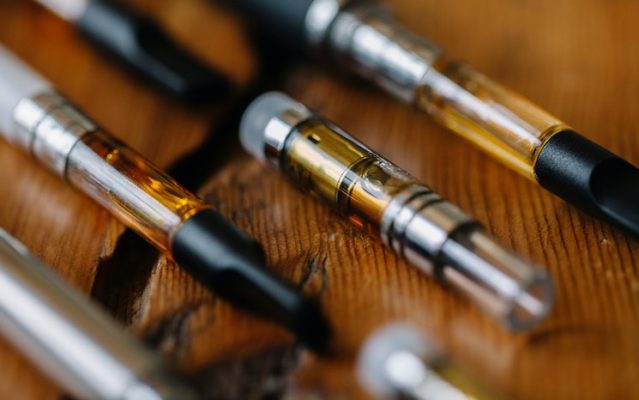
Different cannabis products respond differently to temperature and handling. A soft live resin may become more fluid in warmth, while shatter can become fragile when cold. Hash and rosin may require careful temperature management to preserve their texture. Vape cartridges need protection from heat, impact, and prolonged exposure to sunlight, especially when they contain terpene-rich oil.
For cartridge-specific handling, this guide to vape cartridge freshness covers practical considerations such as upright positioning and protection from damaging conditions. Cartridges should generally be kept away from extreme temperatures and stored in a way that reduces the chance of leaks or damage to the mouthpiece.
The comparison below provides a general reference, but it should not replace product-specific instructions. Storage conditions, formulation, container design, and intended use period can all change what works best.
| Product Type | Common Storage Risk | Practical Approach |
|---|---|---|
| Live Resin | Heat, light, and terpene loss | Use an airtight container in a cool, dark place |
| Wax or Budder | Softening, contamination, and air exposure | Keep sealed and handle with a clean tool |
| Shatter | Brittleness, heat-related changes, and sticking | Protect from heat and avoid excessive handling |
| Hash or Rosin | Texture changes and oxidation | Use suitable sealed packaging and stable temperatures |
| Vape Cartridge | Leaks, clogging, sunlight, and impact | Store upright in a dry, protected location |
| Distillate | Heat-related thinning and air exposure | Keep sealed, shaded, and away from temperature swings |
Freezing Products Without A Plan
Freezing is sometimes used for long-term preservation, but moving a concentrate in and out of a freezer without preparation can cause more harm than benefit. Condensation may form when a cold container is opened in a warm, humid room. That moisture can settle on the product or inside the packaging.
Temperature changes can also affect texture. A brittle extract may crack, crumble, or adhere to the container, while a sticky product can become difficult to remove cleanly. Repeated freeze-thaw cycles are particularly undesirable because they create repeated changes in temperature and condensation risk.
If a manufacturer specifically supports cold storage, seal the container carefully before chilling it and allow it to return to room temperature while still closed. This reduces the chance that humid air will contact the cold concentrate. Avoid freezing products simply because they seem valuable; a cool, dark, stable cabinet may be safer for shorter storage periods.
Mixing Products And Losing Track Of Dates
Storing several concentrates in unmarked containers creates avoidable confusion. Similar-looking waxes, resins, and oils may be difficult to distinguish later, especially when their textures change. Misidentifying a product can lead to incorrect expectations about potency, ingredients, or appropriate use.
Keep each item in its own sealed container and preserve the original label whenever possible. Record the product type, purchase date, and any relevant batch or potency information. A simple label can also identify whether the extract is intended for vaporization, dabbing, cooking, or another permitted use.
Do not place different extracts in the same jar to save space. Their aromas and oils may mingle, and their textures may change when they come into contact. Separate storage also makes it easier to inspect each product for unusual color, odor, leaking, or other signs that it may no longer be suitable.
Building A Simple Storage Routine
A dependable routine is more useful than an elaborate setup that is difficult to maintain. Select one secure, shaded location with relatively stable temperatures. Keep concentrates away from children, pets, food preparation areas, and anyone who could mistake them for ordinary products.
Before storing a new item, check the seal, label, texture, and appearance. If the package is damaged, leaking, or contaminated, set it aside and consult the seller or manufacturer rather than combining it with other products. Store tools separately and clean them according to the material and product instructions.
These habits cover most preventable storage issues:
- Keep concentrates in airtight, suitable packaging whenever possible.
- Choose a cool, dark, dry location away from sunlight and heat sources.
- Limit the time containers remain open during handling.
- Label each product with its type, date, and relevant usage information.
- Inspect extracts and cartridges before use, and discard anything with unusual contamination or damage.
The storage area should also be easy to monitor. A locked drawer, lockbox, or secured cabinet can help prevent accidental access and reduce the risk of products being moved into unsuitable conditions. Avoid storing concentrates in a bathroom, vehicle, or damp basement where temperature and humidity fluctuate frequently.
When purchasing new extracts, consider packaging and handling information as part of the product decision. A supplier’s product descriptions, support resources, and handling guidance can be useful when comparing formats or quantities. For available products and related information, visit the Quality THC Portal and review the instructions associated with the specific item.
Recognizing When Quality Has Changed
A change in texture is not always a sign that a concentrate has spoiled. Some products naturally become firmer in cooler conditions or softer in warm surroundings. However, unexpected changes combined with an unusual smell, visible contamination, leaking packaging, or significant discoloration deserve caution.
Terpene-rich extracts may lose aroma over time, particularly when exposed to heat and air. That does not automatically indicate contamination, but it can signal that the product’s quality has declined. A concentrate that has collected dust, fibers, moisture, or residue should not be treated as normal.
When in doubt, do not taste or use a questionable product to test it. Keep the item isolated, check any manufacturer guidance, and contact the retailer if the condition differs substantially from what was expected on arrival. Legal requirements and product standards vary by location, so disposal should follow applicable local rules.
Good concentrate storage is primarily about consistency: stable conditions, clean handling, sealed containers, and clear labeling. By correcting the habits that expose extracts to heat, light, moisture, oxygen, and contamination, consumers can preserve freshness and reduce avoidable waste. Review the storage setup before opening the next container, then make the small changes that protect the product from the moment it arrives.