No products in the cart.
QUALITY THC PORTAL - BUY QUALITY THC PRODUCTS ONLINE - FAST DELIVERY
Welcome to Quality THC Portal. We are premium suppliers of Quality THC Products. We supply in bulk and small quantities the following products; Package weed , Pre-rolls , Vape cartridges and Marijuana concentrates. We deliver to most countries around the world and delivery is fast and secured. Our website is well encrypted to product all your information we receive to process your orders and also we have a well setup and stable customer service team who are always available to assist you incase of any difficulty while trying to make purchase on our website. We are certain you shall enjoy our services.
Best Selling Products
Sale!


CARTRIDGES
Sale!


CARTRIDGES
Sale!

CARTRIDGES
Sale!

CARTRIDGES

HASH
$
70.00
–
$
305.00

CARTRIDGES
$
25.00

CARTRIDGES
$
25.00
Sale!

CARTRIDGES
Browse our categories


our services
free express delivery
When your order is more than $299, you receive FREE express delivery and can look forward to the worlds best medical marijuana and associate products delivered directly to your door
Exquisite Collection
We’re extremely picky about product quality & our collection is constantly being refined & is comprised of the finest buds known to humankind
Top-notch Support
We pride ourselves in providing exceptional support and we’re among the few offering dedicated 24/7 chat support to our valued customers.
A Step-by-Step Guide to Reusing an Empty Vape Cartridge
An empty vape cartridge can look as if it still has a useful life left in it, especially when the tank, mouthpiece, and battery connection appear intact. Reusing the hardware may reduce waste, but it needs a careful approach because residue, damaged seals, blocked airflow, and overheated coils can affect both performance and safety.
For Australian consumers, the safest approach is to separate reusable hardware from refillable oil. A cartridge designed as a sealed disposable unit should generally be treated as finished when its oil is gone. A purpose-built refillable tank may be cleaned and reused, provided its coil, seals, and battery connection remain in good condition and the product is lawful to possess and use.
What Reuse Actually Means
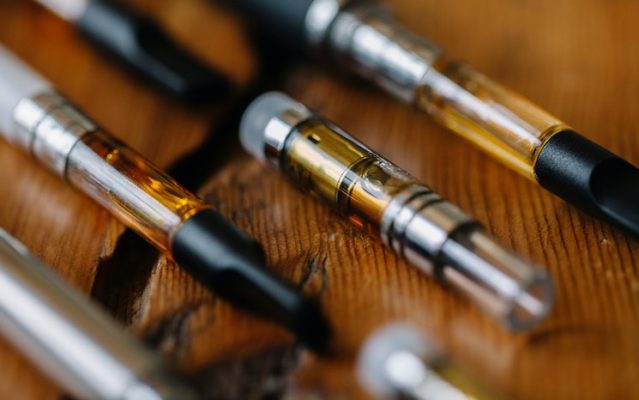
People often use “reusing a cartridge” to describe several different things. It might mean attaching the same cartridge to a compatible battery for a few final draws, cleaning the mouthpiece, transferring a reusable tank to a new coil, or refilling a cartridge with cannabis oil. These actions have very different risk levels.
A sealed THC or CBD cartridge is usually manufactured for a limited number of heating cycles. Its internal wick and coil can retain burnt oil, while the rubber seals may loosen after repeated heating. A refillable vaporiser tank, by contrast, is designed to accept compatible e-liquid or concentrate according to the manufacturer’s instructions. Identifying which type you have is the first step.
Look for terms such as “disposable,” “single-use,” “refillable,” or “replaceable coil” on the packaging. A screw-on 510 cartridge is not automatically refillable. Some 510 units are sealed and can leak if opened, while others have a removable mouthpiece or fill ports intended for repeated use.
Check The Cartridge And Battery
Before handling the cartridge, disconnect it from the battery and inspect it under good light. Check the glass or plastic chamber, mouthpiece, threaded base, airflow holes, and any visible rubber seals. If the tank is cracked, cloudy, badly discoloured, or sticky around the connector, place it aside for disposal rather than trying to save it.
A battery should also be examined separately. Swelling, dents, corrosion, a hot charging port, a burnt smell, or erratic activation are warning signs. Do not charge or use a battery with any of these faults. Lithium-ion cells can become hazardous when damaged, particularly if they are left in a hot car or exposed to direct sun during an Australian summer.
Use this quick inspection list before attempting any reuse:
- Confirm whether the cartridge is sealed or purpose-built for refilling
- Check for cracks, leaking oil, loose parts, or damaged threads
- Inspect the battery for swelling, dents, corrosion, or unusual heat
- Wipe the connection with a dry cotton swab
- Stop immediately if the device tastes burnt or behaves unpredictably
If the cartridge passes inspection, attach it gently to a compatible battery without forcing the threads. A connection that feels loose, cross-threaded, or unusually tight may create poor electrical contact. Begin with the lowest suitable voltage setting and take a short test draw rather than running a long, high-temperature session.
Clean The Hardware Safely
Cleaning should focus on the mouthpiece and external connection, not on soaking the entire cartridge. Remove the mouthpiece only if the design allows it and you can do so without prying against the glass. A dry cotton swab can clear lint or crystallised residue from the mouthpiece and the battery contact.
For stubborn residue on an external metal connection, use a small amount of isopropyl alcohol on a cotton swab, keeping the liquid away from the oil chamber and internal electronics. Allow every part to dry completely before reconnecting it. Never operate a vape while alcohol is still present, and never pour cleaning liquid into the airflow path.
Do not rinse a cartridge under the tap. Water can enter the coil, wick, and battery connector, causing poor heating or corrosion. Household cleaners, fragrance oils, cooking oils, and essential oils are also unsuitable for inhalation hardware. If the mouthpiece cannot be cleaned without dismantling a sealed unit, replacing the cartridge is the safer choice.
When cleaning a refillable tank, follow the manufacturer’s instructions. Some tanks can be washed after the coil is removed and dried for a full day, while others contain components that should never be submerged. The coil itself is usually a consumable part, not something that can be restored indefinitely.
Deal With Residual Oil Carefully
An apparently empty cartridge can still contain a thin film of oil around the chamber or a small amount absorbed into the wick. Do not scrape this material out with a pin, heat the cartridge with a lighter, or attempt to boil it. Direct flame can damage seals and create harmful by-products, while sharp tools can break the chamber or contaminate the oil.
If the device produces vapour without a burnt taste and the manufacturer describes it as reusable, a few low-temperature draws may use the remaining material. Stop if the vapour becomes harsh, the flavour changes sharply, or the cartridge begins to heat faster than usual. A burnt hit often indicates that the wick is dry or the coil has reached the end of its service life.
Avoid transferring residual oil into another cartridge with improvised tools. Cannabis concentrates vary in viscosity and may contain terpenes, additives, or residual processing compounds that are unsuitable for a different heating system. Product details and testing information should come from a reputable source, such as the THC product information available from a specialist retailer, rather than an unverified social media post.
Keep all cannabis products away from children, pets, food preparation areas, and anyone who might mistake the contents for an ordinary vape liquid. Store them in their original packaging where possible, with the contents clearly identified.
Refilling: What To Avoid
Refilling is appropriate only when the cartridge or tank is explicitly designed for it. If the mouthpiece is permanently sealed, the base is glued, or the packaging says “disposable,” opening the device can expose the user to leaking oil, fragments of glass, and an unreliable electrical connection. A cartridge that has already been heated repeatedly may also have weakened seals.
Never fill a cannabis cartridge with homemade extracts, alcohol-based tinctures, vegetable oil, vitamin E oil, or ordinary nicotine e-liquid. Inhalation products need formulations designed for vaporisation, and a substance that is acceptable for oral use may be unsafe when heated into the lungs. Vitamin E acetate, in particular, has been associated with serious vaping-related lung injury.
A refillable tank still needs the correct viscosity and fill level. Overfilling can flood the coil and cause oil to enter the mouthpiece, while underfilling can leave the wick dry. Keep liquid below the designated fill line, avoid the central airflow tube, and allow a new coil to saturate according to its instructions before activating the device.
These common mistakes are reasons to retire the cartridge rather than keep using it:
- Forcing open a sealed chamber with a blade, needle, or screwdriver
- Mixing old cannabis oil with an unknown new formulation
- Using a lighter or hairdryer to thin thick concentrate
- Refilling a cartridge with food, cosmetic, or aromatherapy oils
- Ignoring a burnt taste, leaking base, or blocked airflow
- Charging a battery while oil or cleaning fluid is present
Australian Legal And Practical Realities
Cannabis rules in Australia are different from the assumptions common in overseas vape forums. Medicinal cannabis is regulated through the Therapeutic Goods Administration and is generally supplied through a prescription and authorised pathway. Recreational cannabis remains unlawful under Commonwealth law, while possession and use rules can also vary between states and territories.
That means a product advertised online is not automatically lawful to import, possess, or receive in Australia. Border Force can seize restricted goods, and international delivery claims do not override Australian customs requirements. Before ordering cartridges, flower, hash, live resin, or other concentrates, check current federal and state rules and use authorised medical channels where applicable.
Local conditions also matter. A cartridge left in a ute, beach bag, or glovebox around Brisbane, Perth, Darwin, or western Sydney can become hot enough to thin the oil, increase leakage, and stress the battery. In Melbourne or Hobart, cooler weather may make thick oil move slowly, but warming it aggressively is still unsafe. Keep hardware upright, shaded, and at a stable room temperature.
Vaping in public can create additional issues. Rules for smoke-free areas, public transport, workplaces, and enclosed venues differ by jurisdiction, and a cannabis prescription does not necessarily permit use wherever ordinary vaping is allowed. “No worries” is not a substitute for checking the relevant state guidance, especially when travelling between places such as NSW, Victoria, Queensland, and the ACT.
Store, Test, And Dispose Responsibly
If a refillable cartridge is still serviceable, store it upright with the mouthpiece covered and the battery disconnected. Keep it in a cool, dry place away from direct light. Do not leave it attached to a battery overnight, and do not carry a loose cartridge beside keys or coins, which can damage the connector or create a short.
Test the cartridge with a brief, low-power activation. The vapour should be consistent, the draw should feel normal, and the flavour should not be burnt or chemical. Stop using it if the chamber leaks, the cartridge becomes unusually hot, the battery activates by itself, or oil reaches the mouthpiece. These signs suggest that a replacement is needed.
Dispose of the cartridge and battery separately where local recycling services accept them. Do not place lithium batteries in household rubbish or a kerbside recycling bin unless the local council specifically permits it. Many councils, electronics retailers, and battery collection points provide safer drop-off options. Empty cannabis packaging should be made unreadable where practical and kept away from children and pets until disposal.
A few simple habits make future reuse safer:
- Keep cartridges upright during storage and transport
- Disconnect the cartridge before charging the battery
- Record the product type and date opened
- Replace coils instead of repeatedly cleaning burnt ones
- Use approved battery chargers and compatible voltage settings
- Follow local council guidance for batteries and electronic waste
An empty vape cartridge is worth reusing only when its design, condition, and intended contents support that choice. Clean the accessible parts, avoid improvised refills, retire damaged hardware, and treat any remaining oil as a controlled substance rather than ordinary liquid. In Australia, add the legal and shipping checks before making a purchase or carrying a device across state lines.
Use this step-by-step approach before your next session, and choose clearly labelled, purpose-built hardware from a reputable source. Careful inspection and responsible disposal help protect your lungs, your battery, and the people around you.