No products in the cart.
QUALITY THC PORTAL - BUY QUALITY THC PRODUCTS ONLINE - FAST DELIVERY
Welcome to Quality THC Portal. We are premium suppliers of Quality THC Products. We supply in bulk and small quantities the following products; Package weed , Pre-rolls , Vape cartridges and Marijuana concentrates. We deliver to most countries around the world and delivery is fast and secured. Our website is well encrypted to product all your information we receive to process your orders and also we have a well setup and stable customer service team who are always available to assist you incase of any difficulty while trying to make purchase on our website. We are certain you shall enjoy our services.
Best Selling Products
Sale!


CARTRIDGES
Sale!


CARTRIDGES
Sale!

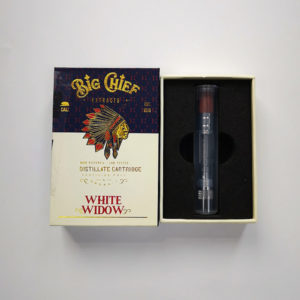
CARTRIDGES
Sale!

CARTRIDGES

HASH
$
70.00
–
$
305.00

CARTRIDGES
$
25.00

CARTRIDGES
$
25.00
Sale!

CARTRIDGES
Browse our categories


our services
free express delivery
When your order is more than $299, you receive FREE express delivery and can look forward to the worlds best medical marijuana and associate products delivered directly to your door
Exquisite Collection
We’re extremely picky about product quality & our collection is constantly being refined & is comprised of the finest buds known to humankind
Top-notch Support
We pride ourselves in providing exceptional support and we’re among the few offering dedicated 24/7 chat support to our valued customers.
A Practical Guide to Additives Found in Vape Cartridges
Vape cartridges have become one of the most popular ways Australians consume cannabis concentrates, from Sydney to Perth and across regional towns in between. As hardware has improved and oil formulations have become more refined, the conversation has shifted from "what strain" to "what's actually inside the cartridge." A growing number of consumers in Brisbane, Melbourne, and Adelaide now ask about thinning agents, flavor carriers, and cutting compounds before they buy.
Understanding the role of additives is essential for anyone who vapes regularly, whether for medical relief under the Therapeutic Goods Administration framework or for personal use where state laws permit. Some additives serve legitimate purposes, while others raise genuine health concerns. This guide breaks down the most common additives in vape cartridges, what they do, and how to evaluate products sold across the Australian market and beyond.
Why Manufacturers Use Additives in the First Place
Cannabis oil in its pure form is thick, sticky, and difficult to vaporise efficiently. Without thinning agents, the oil struggles to flow through standard 510-thread cartridges, leading to clogged coils, burnt taste, and inconsistent hits. Additives solve practical engineering problems: they reduce viscosity, improve flavor delivery, and extend shelf stability so that the product remains usable across weeks or months of storage.
For manufacturers, additives also lower production costs. A gram of pure distillate costs more to produce than a gram of distillate blended with carrier oils, and the savings can be significant at scale. This economic incentive has, unfortunately, encouraged some producers to add agents that offer no therapeutic benefit and may carry health risks when heated and inhaled. The trade-off between hardware performance and respiratory safety sits at the heart of every formulation choice in legal and grey markets.
For Australian consumers, recognising that additives can be either functional or harmful is the first step toward making informed choices. Medical cannabis patients working through clinics in Sydney and Melbourne, in particular, benefit from understanding exactly which compounds are entering their lungs alongside the active cannabinoids. That knowledge transforms a routine purchase into a deliberate health decision.
Common Additive Categories at a Glance
Before diving into individual compounds, it helps to see how the most discussed additives compare side by side. The comparison below summarises purpose, safety profile, and typical use in the current Australian and broader market.
Looking at the table, several patterns emerge. Newer premium products lean on terpenes alone, while budget formulations still rely on PG/VG blends. Lipid carriers like MCT dominate the middle tier, balancing cost against consumer demand for cleaner ingredients. The black market entries above are exactly what responsible retailers refuse to sell, regardless of how attractive the price point may seem.
| Additive | Primary Purpose | Inhalation Safety | Where It Typically Appears |
|---|---|---|---|
| Propylene Glycol (PG) | Thinning, flavor carry | Forms carbonyls when overheated | Older or budget cartridges |
| Vegetable Glycerin (VG) | Vapor production, thinning | Mild thermal concerns | Often paired with PG |
| Medium-Chain Triglyceride (MCT) Oil | Carrier, viscosity control | Possible lipoid risk at high loads | "Clean" commercial carts |
| Vitamin E Acetate | Thickener, cut agent | Strongly linked to lung injury | Black market only |
| Polyethylene Glycol (PEG) | Thinning, stabiliser | Thermal degradation risks | Some imported formulations |
| Cannabis-derived terpenes | Flavor, effect profile | Generally regarded as safe | Premium and live resin carts |
| Synthetic flavouring agents | Taste masking, aroma | Limited inhalation data | Cheaper flavoured products |
Propylene Glycol, Vegetable Glycerin, and Polyethylene Glycol
Propylene glycol (PG) and vegetable glycerin (VG) are two of the oldest thinning agents borrowed from the e-cigarette industry. PG is a synthetic liquid that carries flavor well and produces a noticeable throat hit. VG is thicker, slightly sweet, and derived from plant oils, prized for producing dense vapor clouds. Polyethylene glycol (PEG) is a related synthetic polymer sometimes used in higher-viscosity formulations where extra thinning is required.
All three compounds are generally regarded as safe for oral consumption and appear throughout food, cosmetics, and pharmaceutical products. When heated to the temperatures found inside vape hardware, however, the picture changes significantly. PG and PEG can degrade into formaldehyde and acetaldehyde, particularly at higher voltages, in devices with worn coils, or during chain vaping that overheats the chamber. VG tends to be more thermally stable but can still produce trace carbonyls under prolonged high-heat conditions.
Many modern manufacturers have moved away from this entire family of carriers because the synthetic compounds alter the natural terpene profile of cannabis oil and deliver a harsher vapor. Cartridges marketed as "solvent-free" or "100% cannabis-derived" typically exclude PG, VG, and PEG, appealing to consumers in Adelaide and Hobart who want a cleaner inhalation experience without sacrificing viscosity control. Several Australian producers now use terpenes alone as viscosity regulators in their top-tier lines.
MCT Oil and Vitamin E Acetate
Medium-chain triglyceride (MCT) oil, derived from coconut or palm kernel oil, has become one of the most widely used carriers in commercial cannabis cartridges. It mixes readily with cannabinoids, has a neutral flavor, and remains liquid at body temperature, making it an effective thinning agent. Many brands favouring "clean" formulations promote MCT as a safer alternative to the PG and VG family.
Research on the inhalation of MCT oil is more limited than research on oral consumption. Medical literature does note that aerosolised lipids can reach deep into the lungs and, in rare cases, contribute to lipoid pneumonia, a condition marked by inflammation and impaired gas exchange. The risk appears dose-dependent and is higher in heavy daily users than in occasional consumers. In Australia, where the TGA evaluates medical cannabis products with strict safety criteria, MCT is generally permitted as an excipient in measured concentrations.
Vitamin E acetate entered public awareness during the 2019 to 2020 EVALI outbreak in North America, where more than 2,800 cases of severe lung injury were linked to contaminated illicit cartridges. The compound was used as a thickener and cutting agent because it matched the viscosity of cannabis distillate almost perfectly. When vaped, however, it produced a toxic metabolite called ketene, which caused acute respiratory distress and, in some cases, permanent lung damage.
The Australian market largely avoided the worst of EVALI because medical cannabis supplies were tightly controlled through the TGA's Special Access Scheme and Authorised Prescriber pathways. Even so, the episode remains highly relevant for Australians who purchase cartridges through international mail-order services without regulatory oversight. Any reputable retailer should publish a recent certificate of analysis (COA) for each batch, listing every ingredient down to the percentage by weight. The absence of a COA is a deal-breaker regardless of price.
Terpenes, Synthetic Flavours, and Cutting Agents
Not every additive raises safety concerns. Terpenes are aromatic compounds produced by the cannabis plant itself, and many brands re-add cannabis-derived or food-grade terpenes after distillation to restore flavor and therapeutic effects. Limonene offers bright citrus notes and a lift in mood, myrcene contributes earthy depth and relaxing effects, pinene supports alertness, and linalool brings a floral calm. Each one shapes the sensory and pharmacological character of a strain.
The concern rises sharply when manufacturers use synthetic flavoring agents designed for food, not inhalation. Diacetyl, once common in buttery vaping flavours, has been linked to bronchiolitis obliterans, also known as popcorn lung. While most cannabis brands have moved away from diacetyl, the broader category of artificial flavouring compounds remains under scrutiny because inhalation toxicology data is sparse. Consumers should treat unlabelled flavoring systems as a red flag.
Beyond flavoring, the illicit market has long relied on cutting agents such as squalene and even food-grade oils like olive or sunflower oil. Squalene, when oxidised, can form harmful epoxides that irritate lung tissue. Non-cannabinoid oils rarely vaporise cleanly and leave residues that clog hardware and coat the lungs. Cartridges that look unnaturally thin, smell plasticky, or cause harsh hits at low voltages are often adulterated.
Checklist for Buying Cleaner Cartridges
Choosing cartridges with fewer and safer additives comes down to reading labels, asking questions, and trusting transparent suppliers. The points below offer a practical checklist for Australian buyers, from Perth to the Gold Coast.
- Request a current certificate of analysis that lists cannabinoid content and a full additive breakdown
- Prefer products labelled 100% cannabis-derived with no PG, VG, PEG, MCT, or vitamin E acetate
- Choose live resin or rosin cartridges for natural terpene content without reintroduction steps
- Buy from retailers with verifiable lab testing policies and clear sourcing information
- Avoid unusually cheap cartridges, since additive stretching is a common profit strategy
- Pay attention to viscosity and aroma, because watery oil or chemical smells often indicate dilution
- When in doubt, ask your prescribing clinician or pharmacist about specific formulations
Knowledge of what goes into a cartridge is the foundation of safer consumption. Review the documented lab results, compare ingredient lists across brands, and choose formulations that prioritise respiratory health alongside potency. Each purchase is a small vote for the kind of industry Australian consumers want to see, and informed demand pushes the wider market toward better standards.
Browse the curated selection at qualitythcportal.com and review each product page for the lab documentation that should accompany any reputable cannabis oil. Transparent retailers pair every batch with third-party testing and a full ingredient declaration, turning an impulsive purchase into an informed decision that supports both personal wellbeing and a more accountable Australian cannabis market.