No products in the cart.
QUALITY THC PORTAL - BUY QUALITY THC PRODUCTS ONLINE - FAST DELIVERY
Welcome to Quality THC Portal. We are premium suppliers of Quality THC Products. We supply in bulk and small quantities the following products; Package weed , Pre-rolls , Vape cartridges and Marijuana concentrates. We deliver to most countries around the world and delivery is fast and secured. Our website is well encrypted to product all your information we receive to process your orders and also we have a well setup and stable customer service team who are always available to assist you incase of any difficulty while trying to make purchase on our website. We are certain you shall enjoy our services.
Best Selling Products
Sale!


CARTRIDGES
Sale!

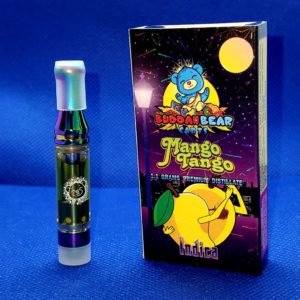
CARTRIDGES
Sale!

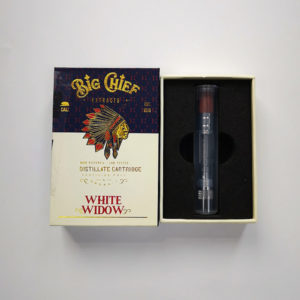
CARTRIDGES
Sale!

CARTRIDGES

HASH
$
70.00
–
$
305.00

CARTRIDGES
$
25.00

CARTRIDGES
$
25.00
Sale!

CARTRIDGES
Browse our categories


our services
free express delivery
When your order is more than $299, you receive FREE express delivery and can look forward to the worlds best medical marijuana and associate products delivered directly to your door
Exquisite Collection
We’re extremely picky about product quality & our collection is constantly being refined & is comprised of the finest buds known to humankind
Top-notch Support
We pride ourselves in providing exceptional support and we’re among the few offering dedicated 24/7 chat support to our valued customers.
Hash Grades, Quality Signs, and Typical Australian Costs
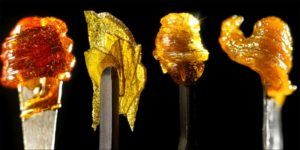
Hash is a concentrated cannabis product made by collecting and compressing trichomes, the resin glands that contain cannabinoids and aromatic terpenes. Its appearance can range from pale, sandy blonde to dark brown or nearly black, while its texture may be dry and crumbly, soft and oily, or glassy and brittle. These differences often reflect the plant material, extraction method, age, storage conditions, and amount of pressure used.
For Australian consumers, comparing hash grades requires more than looking at colour or a seller’s claims. Cannabis laws vary by state and territory, recreational possession remains prohibited in most circumstances, and imported products may be intercepted at the border. Price also changes substantially between legal medicinal products, illicit-market offerings, and premium concentrates promoted online. A careful evaluation should consider testing, provenance, potency, and legal status together.
What Hash Grade Actually Means
“Grade” is not a universal legal or scientific classification. In practice, it is shorthand for quality, refinement, cleanliness, potency, and production technique. A basic pressed hash may contain a mixture of resin glands, small pieces of plant matter, and natural oils. A highly refined product may consist mostly of separated trichome heads, producing stronger effects and a more pronounced aroma.
Traditional pressed hash is often graded by its colour, elasticity, scent, and how evenly it burns. A good example may soften with gentle warmth and release a rich, spicy or earthy aroma. Very hard material is not automatically superior: it may have been over-compressed, aged badly, exposed to heat, or mixed with unwanted substances. Likewise, a dark exterior can result from oxidation rather than exceptional quality.
Modern concentrates use more specific terms. Dry sift is produced by separating trichomes through screens, while bubble hash uses ice water and filtration bags. Full-melt hash is a sought-after form that melts cleanly with little residue. Rosin is made by applying heat and pressure to cannabis material, without using chemical solvents. These names describe production methods, although sellers may apply them inconsistently.
How Processing Shapes Potency and Texture
Dry sift is one of the simplest forms of solventless hash. Its quality depends on the fineness of the screens, the starting flower, and how thoroughly plant material is removed. Lower grades can look greenish or feel fibrous, while cleaner sift tends to be blonde, sandy, and fragrant. When pressed, it may become a pliable block or remain powdery, depending on pressure and moisture.
Bubble hash is commonly described by its melt behaviour. Lower grades may leave visible residue when heated because they contain more plant particles. Better material can bubble, liquefy, and leave little ash. Full-melt products are usually more expensive because they require careful separation and high-quality starting material. The term “six-star” is often used for premium melt, but there is no independent international body that guarantees the label.
Rosin sits at the premium end of many concentrate menus. It can preserve strong terpene aromas and may have a glossy, sticky consistency. Live rosin is made from fresh-frozen material, while cured rosin uses dried and cured cannabis. These distinctions matter because freezing can preserve volatile compounds, but a product still depends on cultivar, equipment, storage, and manufacturing skill.
A Useful Quality Scale for Buyers
Entry-level hash generally contains more plant material and has a rougher texture. It may be sold as pressed hash, basic pollen hash, or standard dry sift. Its aroma can be muted, and its effects may be less predictable. In markets where it is available, a broad Australian price estimate might be around AUD 15–30 per gram, though this is an informal range rather than a regulated retail price.
Mid-range hash is typically cleaner, more aromatic, and more consistent. It may include well-made dry sift, conventional bubble hash, or carefully pressed resin. The material often softens evenly and produces a stronger effect than basic grades. Informal prices may sit around AUD 25–50 per gram, with city, availability, potency, and source having a major influence.
Premium hash includes full-melt bubble hash, high-quality hand-pressed resin, temple-ball styles, and some forms of rosin. These products can display intense terpene profiles and a smooth texture, but high price does not prove authenticity. Informal offers may range from AUD 50 to well above AUD 100 per gram. In Australia, premium imported concentrates can also carry substantial legal and seizure risks, making advertised pricing difficult to compare with regulated medicinal products.
A lab-tested medicinal cannabis concentrate may be priced differently from illicit hash because the cost includes cultivation, manufacturing, packaging, pharmacy distribution, professional oversight, and compliance. Some legal medicinal products are oils, cartridges, or flower rather than traditional hash, so a direct gram-for-gram comparison can be misleading. Potency per milligram, prescribed dose, and total treatment cost are more meaningful measures.
Australian Laws, Availability, and Local Pricing
Australia does not have a nationwide recreational cannabis retail system. Medicinal cannabis is legal when prescribed through an authorised pathway, generally involving a registered medical practitioner and products supplied through approved channels. Patients may face consultation fees, dispensing costs, and product prices that vary between pharmacies. Traditional hash is not usually something a patient can legally buy from a standard recreational dispensary because those dispensaries do not operate like they do in some parts of North America.
Rules differ between jurisdictions. The Australian Capital Territory permits limited personal possession and cultivation in defined circumstances, but this does not create a general commercial market and Commonwealth law can still affect how cannabis is treated. In New South Wales, Victoria, Queensland, Western Australia, South Australia, Tasmania, and the Northern Territory, possession and supply can lead to criminal or civil penalties depending on the circumstances. Driving with THC in the system is also a serious issue, including for some medicinal cannabis patients.
Local conditions influence informal prices. Sydney and Melbourne may have broader networks and more product variety, while Brisbane, Perth, Adelaide, Hobart, and Darwin can experience different availability and delivery patterns. Prices advertised online may exclude shipping, payment fees, minimum order requirements, or the risk that a package is stopped by Australian Border Force. Claims of international delivery, encrypted checkout, or continuous live chat do not establish that a cannabis product can legally enter Australia.
Consumers should also distinguish a company’s general e-commerce credentials from cannabis authorisation. A polished website, professional photography, or references to secure transactions cannot replace an Australian prescription pathway or evidence of lawful supply. When assessing regulatory language across online businesses, independent explanations such as licence explanations illustrate why the exact scope of a claimed licence matters: a licence for one activity, jurisdiction, or industry does not automatically cover another.
Signs of Quality and Warning Signals
A credible product description should identify the hash type, cannabinoid content where testing is available, batch or lot information, production date, and storage advice. Independent laboratory results are especially useful because they can show THC and CBD levels, residual solvents, pesticides, heavy metals, microbial contamination, and foreign material. If a seller offers only vague claims such as “ 최고 quality” or “extra strong” without documentation, the buyer cannot reliably judge what is being purchased.
Aroma offers clues but is not proof. Fresh hash may smell floral, citrusy, piney, spicy, or fuel-like depending on its terpene profile. A sharp chemical smell, mouldy odour, or burnt-plastic note is a warning sign. Visible white fuzz, damp patches, unexpected grit, excessive oil leakage, or an unnaturally uniform texture should also prompt caution. Some contaminants are invisible, so appearance and smell cannot substitute for laboratory testing.
Potency deserves particular attention. Concentrates may contain much more THC than ordinary flower, and inexperienced users can consume too much before the initial effects have fully developed. Effects can include anxiety, dizziness, impaired coordination, rapid heartbeat, and confusion. Mixing THC with alcohol or sedating medicines can increase impairment. Anyone using medicinal cannabis should follow the prescriber’s directions and avoid driving or operating machinery.
Practical Buying and Storage Recommendations
The safest approach in Australia is to use a legal medicinal pathway where cannabis is clinically appropriate. Ask the prescriber or dispensing pharmacy about the product’s cannabinoid profile, testing, expected effects, and total cost. If comparing online listings for general education, treat international shipping promises as unverified until the product’s legality, import requirements, and Australian supply status have been confirmed.
Storage affects both quality and safety. Heat accelerates terpene loss and can make hash oily, while excess moisture may encourage mould. A sealed, odour-resistant container kept in a cool, dark location is generally preferable to a warm car, bathroom, or direct sunlight. Keep all cannabis products away from children, pets, and anyone who might mistake them for ordinary food.
Useful checks before making any decision include:
- Confirm whether the product is legal to possess, prescribe, supply, and import in the relevant Australian state or territory.
- Look for a recent certificate of analysis from an identifiable, independent laboratory.
- Compare cannabinoid content and tested weight rather than relying on colour, branding, or a claimed “grade.”
- Avoid products with mould, chemical odours, unexplained crystals, excessive moisture, or missing batch information.
- Calculate the full cost in Australian dollars, including shipping, fees, consultation, and possible border risks.
- Keep concentrates securely stored and never drive after using THC.
Hash grades can help explain why one product costs more than another, but the label is only a starting point. Production method, resin cleanliness, terpene preservation, testing, and legal supply all matter. For Australian consumers, a seemingly inexpensive imported product may become far more costly if it is seized, contaminated, or significantly stronger than expected.
Use these distinctions to compare products carefully, prioritise verified medicinal channels where appropriate, and treat untested international offers with considerable caution. Quality is meaningful only when it includes reliable composition, safe handling, and a lawful route to the consumer.