No products in the cart.
QUALITY THC PORTAL - BUY QUALITY THC PRODUCTS ONLINE - FAST DELIVERY
Welcome to Quality THC Portal. We are premium suppliers of Quality THC Products. We supply in bulk and small quantities the following products; Package weed , Pre-rolls , Vape cartridges and Marijuana concentrates. We deliver to most countries around the world and delivery is fast and secured. Our website is well encrypted to product all your information we receive to process your orders and also we have a well setup and stable customer service team who are always available to assist you incase of any difficulty while trying to make purchase on our website. We are certain you shall enjoy our services.
Best Selling Products
Sale!


CARTRIDGES
Sale!


CARTRIDGES
Sale!

CARTRIDGES
Sale!

CARTRIDGES

HASH
$
70.00
–
$
305.00

CARTRIDGES
$
25.00

CARTRIDGES
$
25.00
Sale!

CARTRIDGES
Browse our categories


our services
free express delivery
When your order is more than $299, you receive FREE express delivery and can look forward to the worlds best medical marijuana and associate products delivered directly to your door
Exquisite Collection
We’re extremely picky about product quality & our collection is constantly being refined & is comprised of the finest buds known to humankind
Top-notch Support
We pride ourselves in providing exceptional support and we’re among the few offering dedicated 24/7 chat support to our valued customers.
Understanding Terp Sauce and Its Place Beside Live Resin
Cannabis concentrates have grown into a sophisticated category of products, and Australian consumers in cities like Sydney, Melbourne and Brisbane have watched this space evolve quickly over the past decade. Among the most talked-about options are terp sauce and live resin, two extracts that share a hydrocarbon extraction foundation yet deliver noticeably different experiences. Understanding what sets them apart helps buyers make sharper choices about potency, flavour and how they plan to consume them.
The difference between these two products comes down to how the cannabis plant is processed before extraction and how the resulting concentrate is finished. One emphasises terpene preservation through frozen plant material, while the other is built around isolating cannabinoid crystals suspended in a terpene-rich liquid. Anyone comparing them should consider not just lab numbers but also texture, aroma, and the kind of session they are looking to build.
What terp sauce actually is
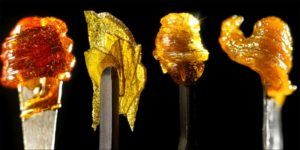
Terp sauce is a cannabis extract defined by its high terpene content, which can sometimes approach 30 percent of the total weight of the final product. Beneath the runny, glossy layer of terpenes sits a bed of THCA diamonds, which are crystalline structures that form during a slow curing process after the initial extraction. The combination produces a saucy consistency that vaporises cleanly and delivers strong aromatic intensity.
Producers typically start with cured or fresh-frozen cannabis flower and run it through a closed-loop hydrocarbon system using butane or propane. The crude oil is purged of residual solvents, then allowed to cure in sealed jars for several weeks at controlled temperatures. During that period, THCA molecules separate from the terpene fraction and crystallise, leaving the liquid component floating on top. The result is a two-phase concentrate with visible crystalline structures suspended in viscous terpenes.
In Australian markets where lab testing has become more reliable, terp sauce jars often show total cannabinoid percentages above 80 percent, with THCA dominating the crystal portion and minor cannabinoids dispersed through the sauce. This architecture makes terp sauce a favourite among flavour-focused consumers who want both visual appeal and a layered aromatic profile in every dab.
The live resin process and what makes it different
Live resin takes a different route at the very beginning of extraction. Instead of drying and curing harvested flower, processors freeze the plant material immediately after harvest and keep it at sub-zero temperatures until extraction begins. This frozen starting point preserves volatile terpenes and minor cannabinoids that would otherwise evaporate during the traditional drying phase.
The extraction itself still relies on hydrocarbons, typically butane, in a closed-loop system. What changes is the resulting texture and aromatic intensity. Live resin tends to come out of the purge with a wet, budder-like consistency that retains a vibrant terpene profile reminiscent of the living plant. Some producers whip or cure the extract further to create badder, sugar or sauce variants, though the classic live resin texture stays closer to a soft, terpene-forward paste.
Australian consumers who compare the two side by side often notice that live resin leans towards a balanced expression of the original strain's full profile, while terp sauce pushes terpene percentages higher and isolates cannabinoid content into visible crystals. Both are premium-tier extracts, but they occupy different positions on the spectrum between potency and flavour.
Potency and cannabinoid profiles
Terp sauce typically delivers high THCA percentages, often landing between 70 and 90 percent across the combined crystals and sauce, depending on the cultivar and the skill of the processor. Because the crystals are predominantly THCA, they convert to active THC when heated, while the surrounding terpenes contribute to the entourage effect without adding much to the raw cannabinoid count.
Live resin potency varies more widely, generally sitting between 60 and 80 percent total cannabinoids for full-spectrum versions. Higher-end jars in Australia sometimes push past that range, especially when extracted from boutique indoor flower. The relative balance of cannabinoids, including CBD, CBG and CBC traces, can give live resin a slightly more diverse pharmacological profile compared to the more THCA-heavy terp sauce format.
For medical patients accessing products through Australia's Therapeutic Goods Administration framework, these potency ranges matter when titrating doses. Patients working with authorised prescribers or the Special Access Scheme often rely on lab-tested certificates of analysis to compare batch strength, and the difference between a 75 percent and 85 percent extract can meaningfully shift a dosing schedule. Recreational consumers in unregulated markets, particularly in cities like Perth and Adelaide where street prices vary sharply, also weigh these numbers when deciding what represents fair value.
Terpene content and flavour
The defining feature of terp sauce is its terpene concentration, which routinely exceeds 15 percent and can climb past 25 percent in well-crafted batches. Dominant terpenes typically include myrcene, limonene, caryophyllene, pinene and terpinolene, depending on the cultivar. The result is a concentrated aromatic punch that translates into pronounced flavour when vaporised at low temperatures.
Live resin also delivers robust terpene content, but in a more integrated way. Because the extract retains more of the plant's natural matrix, the terpene profile tends to mirror the source strain more faithfully. Australian consumers who try both formats often report that live resin offers a rounder, more nuanced flavour while terp sauce leans into bold, isolated notes from its dominant terpenes.
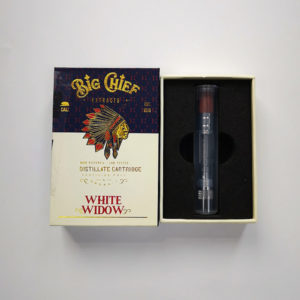
Vape cartridges filled with live resin or terp sauce distillate have become popular across Australian medicinal cannabis channels, partly because they offer convenient dosing without the setup a dab rig requires. For those who still prefer flower, terp sauce is occasionally layered onto a bowl or joint, while live resin works as a standalone dab or cartridge fill on its own.
Accessing these extracts in Australia
Australia's cannabis laws remain restrictive compared to North America, and recreational sales of high-THC extracts are not legal under federal legislation. Medicinal cannabis patients in cities such as Brisbane, Sydney and Melbourne can access certain concentrates through approved prescribers and the Special Access Scheme B pathway, with TGA-registered products available through licensed pharmacies.
The unregulated market continues to operate in many parts of Australia, with prices for premium concentrates varying dramatically between regional centres. In metropolitan areas where competition is higher, gram prices for quality live resin and terp sauce typically run above dry flower, reflecting both production costs and risk premiums. Consumers sourcing from unverified suppliers face ongoing concerns about adulterants, residual solvents and inaccurate labelling.
For readers looking to compare curated cannabis products and explore the wider range of concentrates available, Quality THC Portal offers a useful starting point. Patients should still work with their prescribing clinician to confirm suitability and legal compliance before ordering any cannabis-derived product online.
Practical considerations when choosing between sauce and resin
- Storage needs differ, since terp sauce separates naturally and benefits from being warmed slightly before use, while live resin holds its texture better at cooler temperatures.
- Equipment requirements vary, with terp sauce vaporising best on a hot quartz banger and live resin performing well across a wider range of dab surfaces including ceramic and titanium.
- Flavour priorities drive the choice, because consumers chasing bold single-terpene expressions often prefer sauce, while those wanting a fuller strain profile gravitate towards live resin.
- Potency needs shape dosing, as the higher THCA ceiling of terp sauce means smaller dabs go further and live resin offers a more moderate entry point for new concentrate users.
- Legal pathways differ for Australian patients, with some products easier to access through TGA-listed medicinal options than others.
For Australian consumers weighing these two extracts, the smartest move is to start with a clear sense of what they want from the experience. A patient managing chronic pain with a tolerance for high-THC formats might benefit from the potency ceiling of terp sauce, while a daytime user seeking balanced relief may find live resin's rounder profile more suitable. Working through a licensed prescriber ensures product safety, accurate labelling and legal protection, which matters in a country where recreational possession remains a criminal offence in most states. Choosing between these two premium extracts ultimately comes down to whether flavour, potency, or a balance of both shapes the session you want to build. Take a moment to evaluate your tolerance, your preferred consumption method and your therapeutic goals before committing to either format.