No products in the cart.
QUALITY THC PORTAL - BUY QUALITY THC PRODUCTS ONLINE - FAST DELIVERY
Welcome to Quality THC Portal. We are premium suppliers of Quality THC Products. We supply in bulk and small quantities the following products; Package weed , Pre-rolls , Vape cartridges and Marijuana concentrates. We deliver to most countries around the world and delivery is fast and secured. Our website is well encrypted to product all your information we receive to process your orders and also we have a well setup and stable customer service team who are always available to assist you incase of any difficulty while trying to make purchase on our website. We are certain you shall enjoy our services.
Best Selling Products
Sale!


CARTRIDGES
Sale!

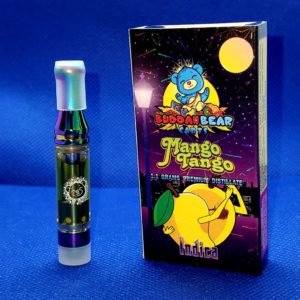
CARTRIDGES
Sale!

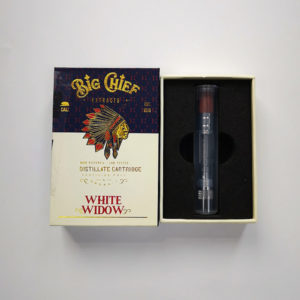
CARTRIDGES
Sale!

CARTRIDGES

HASH
$
70.00
–
$
305.00

CARTRIDGES
$
25.00

CARTRIDGES
$
25.00
Sale!

CARTRIDGES
Browse our categories


our services
free express delivery
When your order is more than $299, you receive FREE express delivery and can look forward to the worlds best medical marijuana and associate products delivered directly to your door
Exquisite Collection
We’re extremely picky about product quality & our collection is constantly being refined & is comprised of the finest buds known to humankind
Top-notch Support
We pride ourselves in providing exceptional support and we’re among the few offering dedicated 24/7 chat support to our valued customers.
A practical guide to cannabis terpenes and their effects
Cannabis terpenes are aromatic compounds that give plants their distinctive scents, flavors, and character. They occur naturally in cannabis, but they are also found in fruits, herbs, flowers, spices, and trees. Limonene, for example, is associated with citrus, while pinene is commonly found in pine needles and rosemary.
These compounds do more than create aroma. Terpenes may influence how a cannabis product feels, especially when they occur alongside cannabinoids such as THC and CBD. This interaction is often called the entourage effect, although research is still developing and individual responses can vary considerably.
Learning to read a terpene profile can make it easier to compare flower, pre-rolls, vape cartridges, live resin, hash, and other extracts. It can also help shoppers focus on flavor and expected character rather than relying only on strain names or broad labels such as “indica” and “sativa.”
What cannabis terpenes are
Terpenes are volatile aromatic molecules produced by the cannabis plant’s trichomes, the tiny resin glands that also contain cannabinoids. Their primary role in the plant may include attracting pollinators and discouraging pests, while their presence in harvested cannabis contributes to its aroma, taste, and perceived effects.
A cannabis cultivar can contain dozens of terpenes, but a smaller group usually dominates the profile. The concentration and balance of these compounds may change because of genetics, cultivation methods, harvest timing, curing, storage, and extraction. Two products with the same THC percentage can therefore smell and feel noticeably different.
Terpenes are not intoxicating in the same way THC is. Smelling limonene-rich cannabis will not create a THC-like high by itself. However, terpene composition may affect the overall sensory experience and perhaps modify how cannabinoids are perceived. The strength of these effects depends on dose, personal biology, tolerance, product quality, and route of administration.
How terpene profiles may shape the experience
Many consumers use descriptive terms such as uplifting, calming, focused, earthy, bright, or sedating when discussing terpene effects. These descriptions can be useful as general orientation, but they should not be treated as guarantees. Scientific evidence does not support a simple rule that one terpene always produces one specific mental or physical outcome.
The entourage effect proposes that cannabinoids and terpenes work together, producing a broader experience than any single compound might create alone. Some early research and laboratory findings support possible interactions, but human evidence remains limited. Marketing language can sometimes present these theories with more certainty than the available research justifies.
A practical approach is to treat terpenes as part of a product’s character rather than a fixed promise. A limonene-forward cartridge may taste citrusy and feel bright to one person, while another person may find the same product intense or distracting. Keeping notes about aroma, amount consumed, onset, and duration can reveal personal patterns over time.
Common terpenes and their characteristics
Myrcene is often associated with earthy, musky, herbal, or fruity aromas. It is one of the most frequently discussed cannabis terpenes and is commonly linked in consumer descriptions with a physically relaxing profile. Since product effects also depend heavily on THC content and serving size, myrcene alone cannot predict sedation.
Limonene has a citrus-like scent and may contribute a fresh, energetic character. It appears in the peels of lemons and oranges as well as in many cannabis varieties. Some users seek limonene-dominant products for daytime enjoyment, although a high-THC product with that profile may still feel overwhelming.
Pinene is recognizable by its pine, forest, and rosemary notes. It is found in two common forms, alpha-pinene and beta-pinene. Cannabis consumers often describe pinene-rich profiles as crisp or clear, but these impressions are subjective and may be affected by other terpenes in the same extract.
Caryophyllene has peppery, spicy, woody, and clove-like notes. It is distinctive because research has explored its interaction with CB2 receptors, although this does not mean that consuming a caryophyllene-rich product produces a predictable therapeutic result. Its bold flavor can be especially noticeable in concentrates and vaporizer oils.
Linalool contributes floral, lavender-like aromas, while humulene is associated with hops, herbs, and an earthy bitterness. Ocimene may bring sweet, floral, or tropical notes, and terpinolene can smell fresh, herbal, piney, or slightly fruity. Minor terpenes can add important details to a profile even when they appear in relatively small amounts.
Reading a cannabis product label
A reliable label should show more than a strain name. Look for total THC, total CBD when relevant, batch information, testing details, and a terpene breakdown expressed as a percentage or milligrams per gram. The dominant terpene is useful, but the complete profile gives a better picture of the product’s aroma and potential character.
Freshness also matters. Terpenes are volatile and can degrade through heat, light, oxygen, and prolonged storage. Flower kept in poor conditions may lose aroma, while a cartridge exposed to high temperatures may develop a flatter or altered taste. A recent package date and appropriate storage can be as important as the original cultivar genetics.
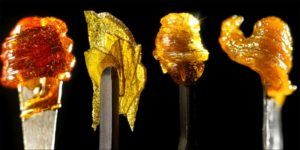
Extraction changes the terpene experience. Live resin is generally produced from fresh-frozen cannabis and is valued for preserving a rich aromatic profile. Distillate often contains highly refined THC and may have terpenes added back afterward. Rosin and hash can offer their own combinations of flavor and texture. The label should make clear whether terpenes are cannabis-derived, botanical, or added as a blend.
| Terpene | Common aroma notes | Frequently reported character | Often found in |
|---|---|---|---|
| Myrcene | Earthy, musky, herbal, fruity | Relaxing or heavy | Flower, hash, live resin |
| Limonene | Lemon, orange, citrus | Bright or mood-lifting | Vapes, flower, concentrates |
| Pinene | Pine, rosemary, forest | Crisp or refreshing | Flower, live resin |
| Caryophyllene | Pepper, clove, spice | Warm or grounded | Pre-rolls, hash, extracts |
| Linalool | Floral, lavender, sweet | Soft or calming | Flower, cartridges |
| Humulene | Hops, wood, herbs | Dry, earthy, balanced | Flower, concentrates |
| Terpinolene | Pine, fruit, herbs, florals | Complex and fresh | Flower, vape products |
Terpenes across flower, vapes, and concentrates
Flower offers the most direct way to experience a plant’s natural aroma. Grinding it releases terpenes, and heating it releases more, but excessive heat can burn away delicate compounds and create a harsh taste. Properly cured flower should have a noticeable scent without smelling damp, moldy, or chemically sharp.
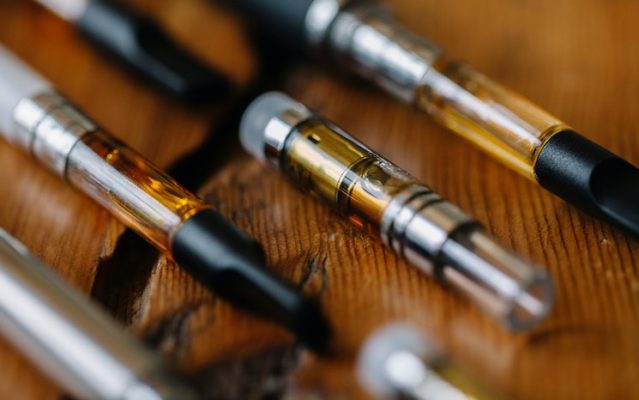
Vape cartridges provide convenience and a concentrated dose. Their effects can arrive quickly, which makes it easy to take more before the first inhalation has fully settled. A cartridge’s terpene profile may reflect the original cannabis extract, added cannabis-derived terpenes, botanical terpenes, or a mixture. Transparent ingredient and testing information is especially important for vape products.
Live resin and other full-spectrum concentrates can deliver strong aroma because they preserve or concentrate a broad range of plant compounds. Hash, rosin, and resin may feel more layered than a simple distillate, but they are often much higher in THC. Their potency calls for smaller amounts and longer pauses between sessions.
Consumers comparing formats can browse quality cannabis products while paying attention to cannabinoid strength, extraction method, terpene information, and package details rather than choosing by product name alone. Legal availability, shipping rules, and age requirements differ by location, so local regulations should always be checked before ordering or possessing cannabis.
Finding a profile that suits your routine
Begin with aroma, not assumptions. If you enjoy citrus, try exploring limonene-forward products. People drawn to pepper, spice, or woody flavors may prefer caryophyllene-rich profiles, while those who like floral scents could investigate products containing more linalool. Flavor preferences are not a guarantee of effect, but they offer a practical starting point.
Next, consider THC potency and product format. Someone seeking a mild, controllable experience may choose a lower-THC flower or take a very small amount of a concentrate. A highly concentrated vape or live resin may be better suited to experienced consumers who understand their tolerance. CBD content may also influence the overall experience, though it does not eliminate THC impairment.
A simple personal record can make terpene exploration more consistent. Note the product, dominant terpenes, THC percentage, amount used, time of day, setting, onset, duration, and any unwanted sensations. After several entries, patterns may appear. This method is more dependable than assuming every product with the same strain label will behave identically.
Smart habits for terpene-focused shopping
- Choose products with recent batch information, clear ingredient lists, and accessible laboratory testing.
- Compare the full terpene profile instead of relying on a single dominant compound or strain name.
- Start with a small amount, especially when using live resin, hash, distillate, or other high-potency extracts.
- Store flower and concentrates in a cool, dark, airtight environment to help preserve volatile aromas.
- Avoid driving, operating machinery, or combining cannabis with alcohol or other intoxicating substances.
Safety, storage, and realistic expectations
Terpenes are generally encountered at low concentrations in cannabis products, but highly concentrated terpene blends can be irritating when inhaled or applied improperly. Consumers should avoid adding undiluted essential oils or non cannabis ingredients to cartridges, flower, or dabbing products. Products made for inhalation should come from a regulated source with appropriate testing.
Cannabis can cause impairment, anxiety, dizziness, dry mouth, increased heart rate, or unwanted sedation. These effects may be more noticeable with high-THC products, large servings, or combinations with alcohol and medicines. Anyone who is pregnant, breastfeeding, managing a health condition, or taking prescription medication should seek advice from a qualified healthcare professional before using cannabis.
Storage has a direct effect on the terpene experience. Keep flower away from sunlight, heat, excess humidity, and open air. Concentrates should remain sealed and handled according to the manufacturer’s instructions. A product that has lost its aroma may also have changed in texture or quality, while a sour, musty, or chemical smell can be a reason not to use it.
The most useful way to understand cannabis terpenes is to combine label literacy with careful observation. Aroma, cannabinoid potency, extraction method, personal tolerance, and context all contribute to the final experience. Terpenes can help you make more informed comparisons, but they cannot replace responsible dosing or realistic expectations.
Explore terpene-rich cannabis products at a measured pace, compare lab information when available, and keep track of the profiles that work best for your preferences. With attention to aroma, potency, freshness, and safe storage, each purchase can become a more informed step toward understanding the diverse character of cannabis.