No products in the cart.
QUALITY THC PORTAL - BUY QUALITY THC PRODUCTS ONLINE - FAST DELIVERY
Welcome to Quality THC Portal. We are premium suppliers of Quality THC Products. We supply in bulk and small quantities the following products; Package weed , Pre-rolls , Vape cartridges and Marijuana concentrates. We deliver to most countries around the world and delivery is fast and secured. Our website is well encrypted to product all your information we receive to process your orders and also we have a well setup and stable customer service team who are always available to assist you incase of any difficulty while trying to make purchase on our website. We are certain you shall enjoy our services.
Best Selling Products
Sale!


CARTRIDGES
Sale!

CARTRIDGES
Sale!

CARTRIDGES
Sale!

CARTRIDGES

HASH
$
70.00
–
$
305.00

CARTRIDGES
$
25.00

CARTRIDGES
$
25.00
Sale!

CARTRIDGES
Browse our categories


our services
free express delivery
When your order is more than $299, you receive FREE express delivery and can look forward to the worlds best medical marijuana and associate products delivered directly to your door
Exquisite Collection
We’re extremely picky about product quality & our collection is constantly being refined & is comprised of the finest buds known to humankind
Top-notch Support
We pride ourselves in providing exceptional support and we’re among the few offering dedicated 24/7 chat support to our valued customers.
A Practical Guide To Cannabis Concentrates For Medical Users
Cannabis concentrates contain a higher proportion of cannabinoids and aromatic compounds than traditional flower. They include oils, live resin, rosin, hash, wax, shatter, and distillate, with each format offering different effects, handling requirements, and dosing challenges. For medical users, the main priority is not maximum potency. It is finding a predictable product that fits a treatment goal and can be used safely.
A concentrate may appeal to someone who needs rapid symptom relief, wants to avoid smoke, or prefers a small and discreet format. However, concentrated THC can produce stronger impairment and unwanted effects more easily than lower-potency products. Medical use should therefore begin with careful product selection, conservative dosing, and attention to how the body responds over time.
Cannabis laws, product standards, and prescribing rules differ widely between locations. A licensed clinician or pharmacist can help assess whether cannabinoids are appropriate alongside existing treatment. Retail information, including the product listings available through Quality THC Portal, should supplement professional advice rather than replace it.
What Makes A Cannabis Concentrate Different
Concentrates are made by separating cannabinoids and terpenes from cannabis plant material. Some products use solvents such as ethanol, hydrocarbons, or carbon dioxide during extraction. Others, including rosin and certain forms of hash, rely on heat, pressure, or mechanical separation. The resulting material is usually more potent and compact than flower.
Potency is often expressed as a percentage of THC or CBD. A flower product might contain a moderate level of THC, while a distillate or resin cartridge may contain substantially more. A small inhalation can therefore deliver a meaningful dose, especially for a person with little tolerance. Labels should be read carefully because a package may state total cannabinoids, per-serving content, or both.
The extraction method also affects the experience. Distillate is generally refined to emphasize a particular cannabinoid, often THC, while live resin is produced from freshly frozen cannabis to preserve more of its original terpene profile. Rosin is solventless, but “solventless” does not automatically mean risk-free or suitable for every user. Purity, storage, testing, and dosage still matter.
Common Formats And Their Medical Considerations
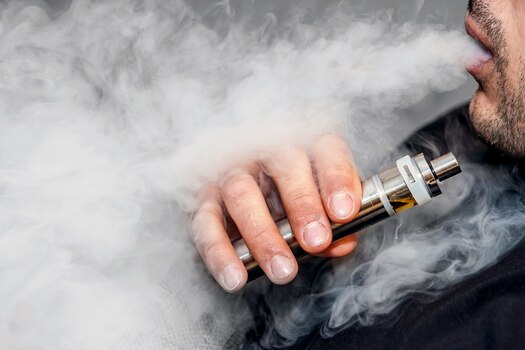
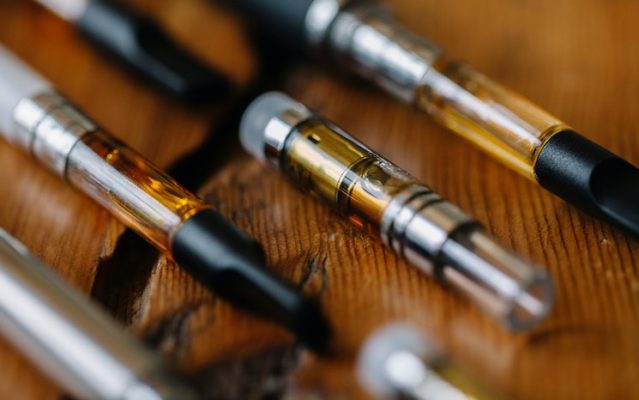
Vape cartridges and disposable pens heat cannabis oil into an inhalable aerosol. Their effects can begin within minutes, making inhalation attractive when a person needs relatively quick relief. The trade-off is that cartridges can contain highly concentrated THC, and the short delay before effects peak may encourage repeated use too soon. Hardware quality and the source of the oil are also important.
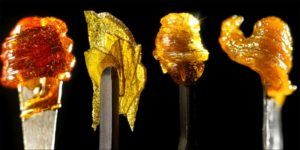
Live resin, cured resin, wax, and other terpene-rich extracts are commonly used in dab rigs, electronic devices, or compatible vaporizers. They can offer a fuller aroma and flavor, but they are often difficult to measure accurately. A tiny amount may be far stronger than expected. People who are new to concentrates should avoid assuming that a small visual portion equals a small dose.
Hash and traditional pressed extracts may be consumed in several ways, depending on local regulations and the product’s preparation instructions. Rosin is another solventless option that can retain aromatic compounds while avoiding some extraction chemicals. Flower and pre-rolls are not concentrates, but they provide a useful comparison: their lower cannabinoid density can make gradual dose adjustment easier for some medical users.
Edibles and tinctures create a separate dosing profile. Oral THC may take 30 minutes to two hours to become noticeable and can last much longer than inhaled cannabis. Tinctures held in the mouth may act somewhat faster than swallowed products, although absorption varies. Delayed onset is a common reason for accidental overconsumption, so taking another serving before the first one has fully developed is unsafe.
Matching A Product To A Treatment Goal
The right format depends on the symptom being addressed, the desired onset, and the user’s ability to measure a dose. Someone seeking occasional, rapid relief may prefer a measured inhaled product, while a person aiming for longer overnight effects may discuss an oral preparation with a clinician. A person with respiratory sensitivity may wish to avoid inhaled products altogether.
THC may influence pain perception, nausea, appetite, sleep, and muscle symptoms, but results differ considerably between individuals. CBD is not intoxicating in the same way as THC, yet it can still affect alertness and may interact with medicines. Products containing both cannabinoids may feel different from THC-dominant or CBD-dominant products, and the ratio alone does not predict a specific medical outcome.
| Concentrate format | Typical onset | Duration pattern | Dosing difficulty | Important considerations |
|---|---|---|---|---|
| Vape cartridge | Minutes | Often shorter | Moderate to high | High potency, hardware and oil quality |
| Live resin or wax | Minutes | Often shorter | High | Usually requires specialized equipment |
| Rosin or hash | Minutes when inhaled | Often shorter | High | Solventless does not guarantee testing |
| Tincture | Minutes to about an hour | Moderate | Moderate | Measure carefully; absorption varies |
| Edible concentrate | 30 minutes to 2 hours | Longer | High | Delayed onset can lead to redosing |
| CBD-rich extract | Variable | Variable | Moderate | May interact with medicines despite low intoxication |
A symptom diary can make treatment decisions more objective. Record the product, approximate dose, time taken, symptom severity before use, effects afterward, unwanted reactions, and sleep or activity changes. This information can help a clinician identify whether a concentrate is providing useful benefit or simply increasing tolerance and side effects.
How To Read A Concentrate Label
Start with the cannabinoid profile. Total THC, THCA, CBD, and other listed cannabinoids can appear in different forms, and THCA may convert into THC when heated. A product advertised as “full spectrum” may contain several cannabinoids and terpenes, whereas an isolate or distillate may have a narrower profile. Neither category is automatically superior for medical use.
Look for a batch number, manufacturing or packaging date, ingredient list, and independent laboratory results. A credible certificate of analysis may report cannabinoid levels as well as screening for pesticides, heavy metals, microbial contamination, and residual solvents. Testing does not guarantee that a product will suit a particular patient, but absent or vague testing information makes informed decisions much harder.
Packaging should explain the total quantity and, where possible, the amount per inhalation, serving, capsule, or measured application. If a cartridge contains 800 milligrams of oil, that does not mean a patient should consume a fixed fraction without understanding the oil’s potency and the device’s delivery rate. A product’s strength, not just its size, determines how cautiously it should be approached.
Storage directions deserve attention. Heat, sunlight, oxygen, and repeated exposure to air can degrade cannabinoids and alter terpene quality. Keep concentrates in their original, clearly marked packaging, away from children, pets, and anyone who might mistake them for ordinary food or medication. Follow local rules for possession, transport, and disposal.
Starting Low And Monitoring Effects
A conservative approach is especially important with THC-rich extracts. Begin with the smallest labeled serving or the lowest amount recommended by a qualified professional, then wait long enough to assess the result. For inhaled products, several minutes may reveal the initial effect, but repeated use should still be restrained. For oral products, allow substantially longer because the peak can arrive well after the first sensation.
Potential unwanted effects include dizziness, dry mouth, drowsiness, anxiety, impaired coordination, rapid heartbeat, confusion, and short-term memory problems. Higher doses can cause panic, vomiting, hallucinations, or severe disorientation. These reactions may be more likely with concentrates because their potency can exceed a user’s expectations.
Do not drive, cycle in traffic, operate machinery, or perform safety-sensitive work while impaired. Avoid combining THC with alcohol, sedatives, or other substances that reduce alertness unless a healthcare professional has specifically evaluated the combination. People who are pregnant or breastfeeding, have a history of psychosis, or have significant cardiovascular or psychiatric conditions should seek medical advice before using cannabinoids.
Urgent medical help is appropriate for chest pain, trouble breathing, loss of consciousness, severe agitation, persistent vomiting, or symptoms that feel dangerous. A person who has taken too much should remain in a calm, supervised environment and avoid taking more cannabis. Keeping the product package available can help healthcare professionals identify what was consumed.
Buying And Using Concentrates Responsibly
A reliable purchasing process begins with legal compliance and transparent product information. Verify whether cannabis concentrates may be sold, possessed, and delivered in the relevant jurisdiction. A professional retailer should provide clear descriptions, accessible support, secure order handling, and information that allows customers to distinguish product type and potency. Marketing language such as “premium” or “medical grade” should not substitute for laboratory evidence.
For people interested in aromatic extracts, practical handling also matters. Devices should be compatible with the concentrate, clean, and used according to the manufacturer’s instructions. A guide to using live resin can help explain portability and equipment considerations, but any technique should be adapted to the product label and a user’s medical plan.
Avoid modifying cartridges, heating concentrates with improvised equipment, or purchasing unlabeled oils. Unregulated vape products may contain contaminants, thinning agents, or unexpected cannabinoids. Sharing devices can also create hygiene concerns. Store all products securely, and keep a written record if multiple cannabinoid products are being used at the same time.
Safer Choices For A Medical Cannabis Routine
- Discuss THC, CBD, medication interactions, and personal risk factors with a clinician or pharmacist before starting.
- Choose products with clear cannabinoid amounts, batch information, ingredients, and recent independent testing.
- Begin with a minimal amount, wait for the expected onset, and increase only gradually when a professional plan supports it.
- Use a symptom and side-effect diary to assess benefits rather than relying on potency or marketing claims.
- Keep concentrates locked away from children and pets, and never drive or mix cannabis with alcohol while impaired.
Medical cannabis treatment is most useful when it is treated as a monitored routine rather than an experiment in strength. A measured, lower-potency option may be more practical than a highly concentrated extract, particularly for a new user or someone sensitive to THC. The best choice is the one that provides a meaningful benefit with manageable effects and a clear safety margin.
Before placing an order, review local requirements, product testing, dosage information, and storage instructions. Then bring those details to a qualified healthcare professional and use the resulting plan consistently. Careful selection and tracking can make concentrates easier to evaluate while keeping medical decisions grounded in safety and evidence.